Travelers drawn to K‑culture spend about 435 USD per person (approximately 600,000 KRW), significantly more than those visiting Korea for other reasons. Eighty‑eight percent of these visitors stay three nights or longer, and 68% travel with family or friends. They stay longer, spend more, and travel in bigger groups — a sign that Korea is seeing a new, high‑value tourism segment emerge. But experts at the scene warn that shared‑lodging rules need reform first if this momentum is to turn into repeat visits and spread beyond Seoul.
Airbnb hosted a media briefing this morning (the 28th) in Seoul titled “K‑Culture: Where Travel Begins,” unveiling results from a global survey of 4,500 international travelers who have visited Korea or plan to. The program included a report presentation followed by an expert panel discussion.
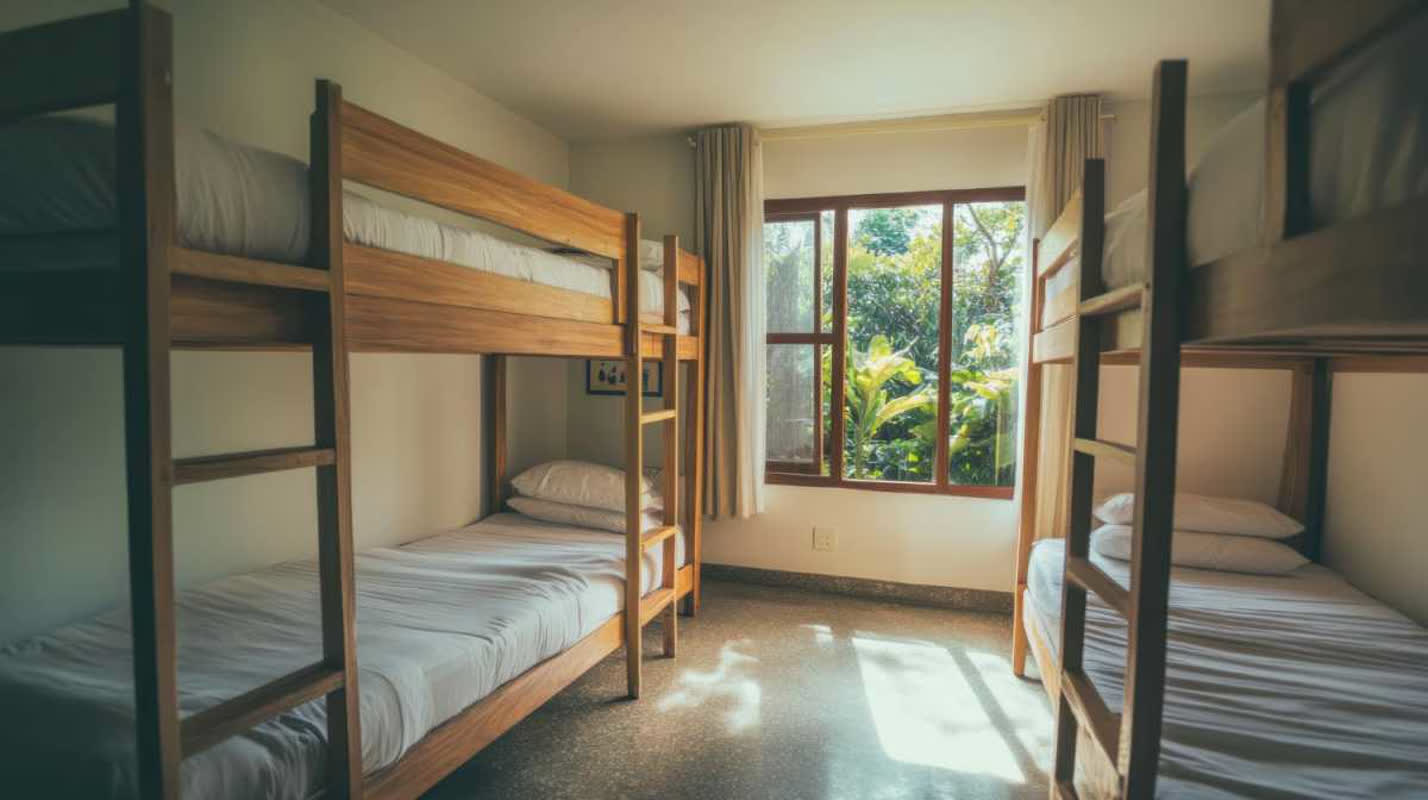
Interest outside Seoul is high — 74% express interest, but only 34% actually visit. Lodging is the bottleneck
Sharon Chan, Airbnb’s head of communications for Asia Pacific, who presented the report, said the data show K‑culture–motivated travelers want longer stays, higher spending, and deeper cultural experiences. Ninety‑four percent of respondents said K‑culture influenced their interest in visiting Korea, and 75% called it a primary reason for their trip. Ninety‑two percent said they want cultural experiences beyond K‑pop — food, history, and nature among them. And 65% of shared‑lodging users said they pick short‑term rentals over hotels specifically to stay in local neighborhoods.
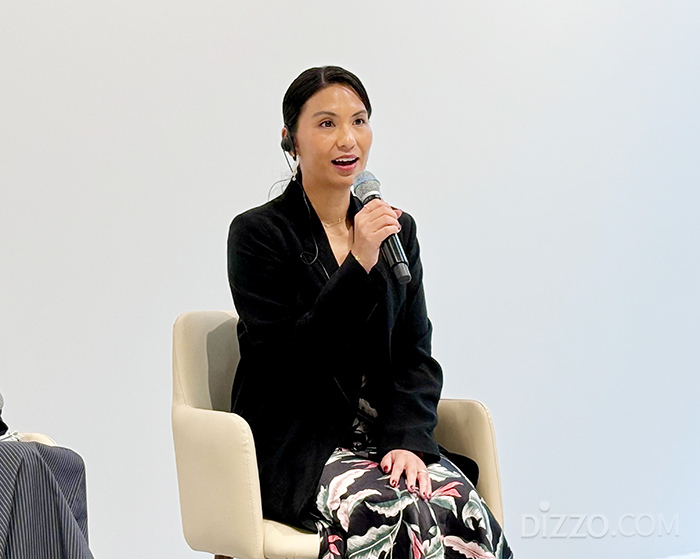
The gap between interest and actual travel is most pronounced for regions outside Seoul. While 74% said dramas and films sparked curiosity about areas beyond the capital, 66% of actual visitors spent most of their time only in Seoul. Eighty‑three percent of potential travelers said the availability of lodging outside Seoul strongly affects their booking decisions. Chan emphasized that expanding regional lodging infrastructure is crucial if demand is to spread to more communities beyond Seoul.
Only 47% of travelers who have visited Korea said they’d like to return, and Airbnb’s share of repeat guests on the platform has been falling. Among potential MZ‑generation travelers, 53% said adequate shared‑lodging availability influences their decision to visit, and 34% said they would reconsider a trip if they couldn’t find suitable accommodations.
Airbnb: We feel lodging demand rise around K‑pop concerts
Seo Ga‑yeon, Airbnb Korea’s country manager, outlined three ways the platform can support fandom travel: expanding stay experiences for fans, turning iconic Korean places into overnight offerings, and diversifying concert‑linked fandom trips.
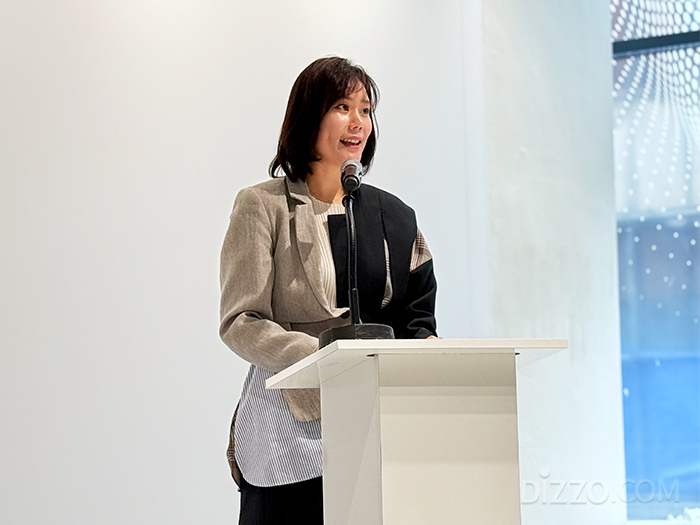
Seo said, “We see lodging demand spike around K‑pop concerts,” and pledged to keep developing programs that push fandom trips beyond just shows — into music, beauty, performance, and lifestyle experiences.
She pointed to several examples: a recent Seoul pop‑up stay with K‑pop creator crew CORTIS; the BTS IN THE SOOP Season 2 Pyeongchang accommodation (2022); the Han River Sky Suite atop a bridge (2024); a DDP stay event (2023); and a SEVENTEEN 10th‑anniversary experience (2025). She also highlighted HYBE’s THE CITY project, which rolled out K‑beauty, makeup, vocal, and dance classes in Seoul, LA, and Tokyo to coincide with concert schedules.
A grandmother got hooked on a K‑drama and brought the whole family
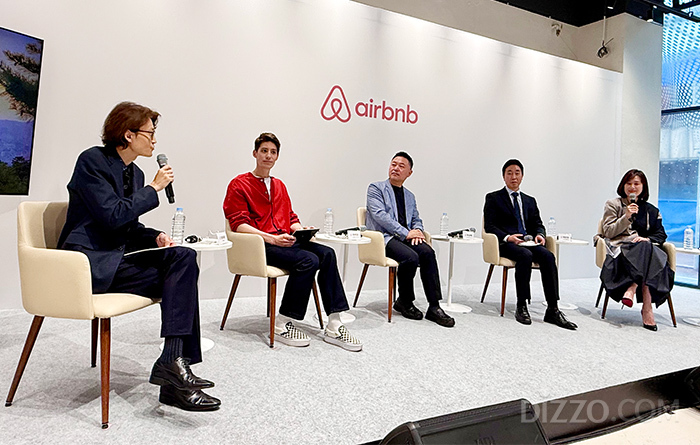
The panel, moderated by cultural critic Im Hee‑yun, featured Head Chef Park Seong‑bae of Onjeum restaurant, tour guide and broadcaster Fabian, Chae Bo‑young, president of the Korea Guesthouse Association, and Seo Ga‑yeon.
Fabian said this was the first time he could officially use his tour‑guide certification in his title since earning it last year. Having lived in Korea for 17 years and worked as an English‑language docent at the National Museum of Korea for nine years, he’s noticed the visitor base broadening across ages and genders. He shared a memorable story of a grandmother so obsessed with a K‑drama that she brought her entire family to Korea. “We assumed the kids came for K‑pop, but it was the grandmother who pulled everyone over,” he said. Fabian added that more visitors now seek deeper engagement with history and traditional architecture, beyond surface sightseeing like photos at Gyeongbokgung. He urged government support to grow the pool of professionally trained guides. Looking ahead, he predicted the rise of “lifecation” travel — tourists wanting to live scenes they’ve seen in content, from slurping instant noodles at a convenience store to ordering Han River delivery food or browsing stationery shops — turning everyday Korean life into a travel goal.
Chef Park Seong‑bae said foreign visitors increasingly seek authentic traditional cooking methods and fermentation culture rather than fusion dishes. He shared his culinary credo, “daemi‑piljang (大味必淡),” meaning the best flavor is subtle and enduring — the kind you never tire of. He argued that travel should highlight the philosophy and aesthetics behind food rather than chasing flashy first impressions. He noted strong interest in Airbnb’s “Learn Korea’s Fermented Pastes” experience and said that expanding curiosity to clothing, crafts, and hanok stays is essential for sustainable tourism.
Chae Bo‑young of the Korea Guesthouse Association pointed to three regulatory barriers that prevent supply from meeting growing demand.
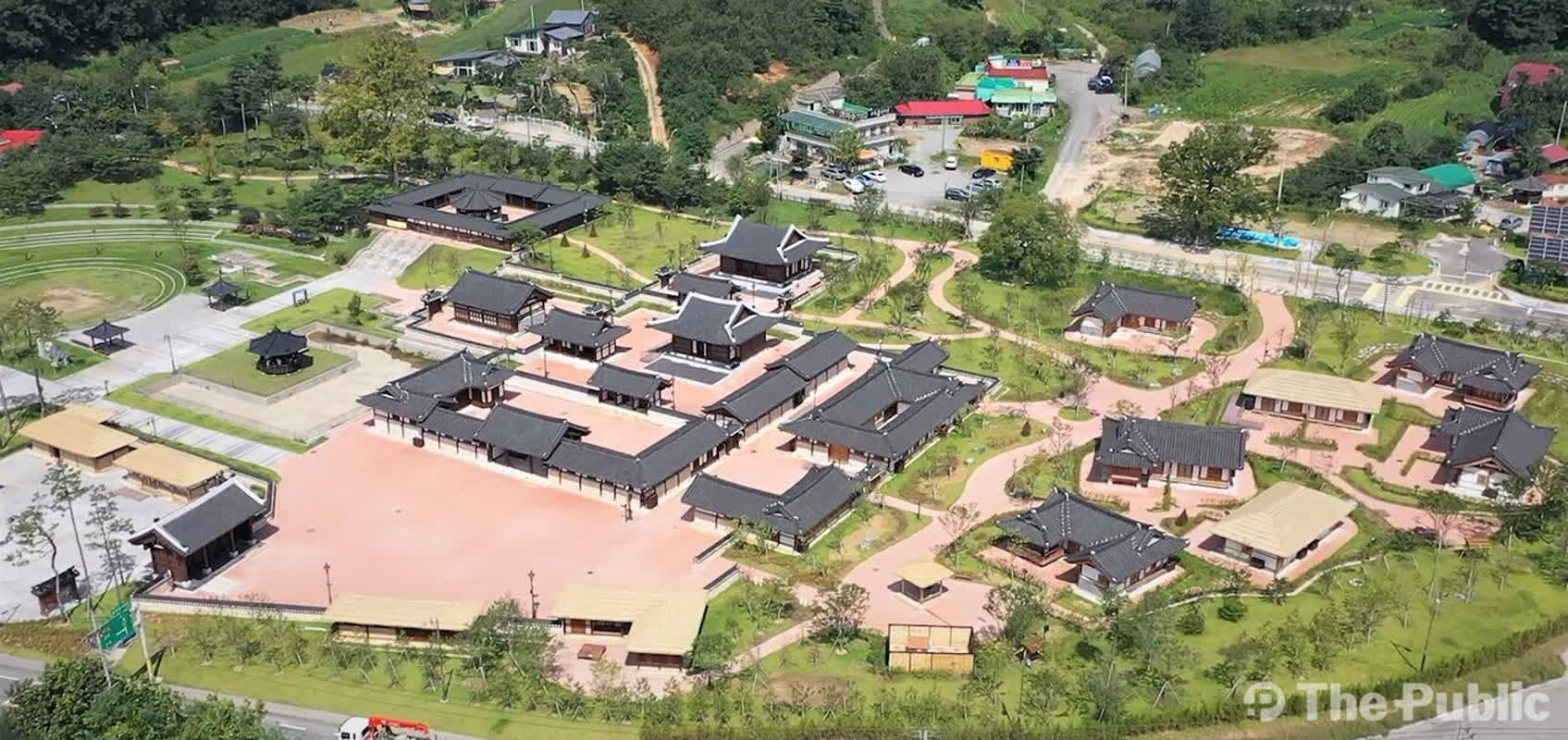
First is the neighborhood consent rule. Hosts must get neighbors’ signatures to register shared lodging, which is near impossible in practice. She suggested shifting toward stronger post‑registration oversight. Second is the 30‑year building‑age cap added by the Ministry of Culture, Sports and Tourism last October, which requires expert safety certification — a rule she says is vague and only drives up costs. Third is the on‑site residency requirement that forces hosts and guests to share the same space, clashing with demand for whole‑home rentals. On rural realities, she noted many local officials ask, “Why open a guesthouse for foreigners in a place foreigners don’t even visit?” She stressed that supply must be in place before demand can grow.
Seo Ga‑yeon summed up Airbnb’s goal as building an ecosystem. She said the platform’s role is to link lodging with experiences so visitors can start at a stay and discover food, history, and traditional culture in a layered way. She shared that a personal hanok stay in Seochon inspired her to become an Airbnb host, and that Airbnb has begun converting vacant homes around Seogwipo into senior‑hosted stays in partnership with the Jeju Olle network. Seo said she hopes regional Airbnb bookings will grow tenfold within a year and pledged to actively support reform of the foreign‑tourist guesthouse system.
▶ Airbnb: “Lodging infrastructure is the key to completing K‑culture travel”
▶ Orebe Hot Spring & Spa celebrates its 2nd anniversary with a customer appreciation week in May
▶ Incheon: tailored trips for May’s golden holidays…healing courses, theme parks, and Children’s Day festivals