You can see the neighbor’s persimmon tree over the low walls, but within those walls a family pride has been carefully preserved for 600 years.
Hangae Village in Seongju, North Gyeongsang Province, is still a living traditional village. The same gate opened by an ancestor 600 years ago is still being opened and closed by descendants today — it’s a place where history and present life meet.
The name Hangae might sound like “one,” but it actually comes from an old Korean word meaning “large ferry.” The village got its name from a wide white stream and a ferry crossing that once stood in front of it. After Lee U, who served as the Jinju magistrate during King Sejong’s reign, settled here, the Seongsan Yi clan gathered and formed what is now Dongseongchon. The ridge of Mount Yeongchwisan wraps around the village, and feng shui experts consider it one of the region’s finest sites. With a mountain at its back and water at its front, the village is viewed as blessed by both land and stream.
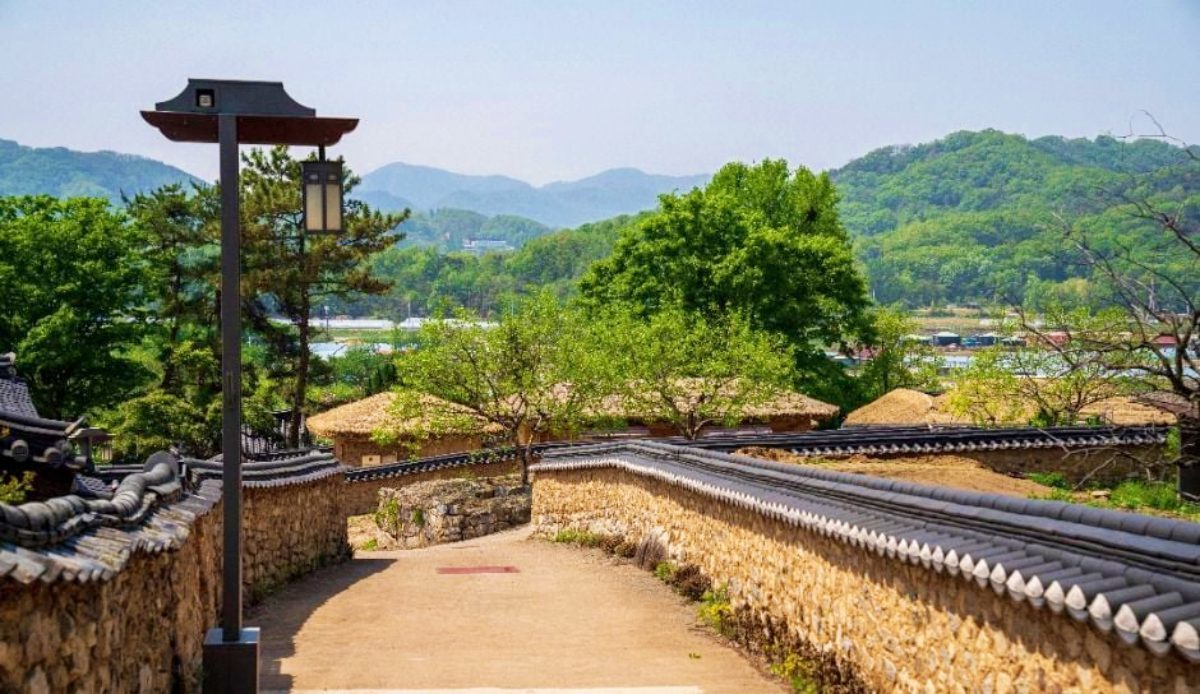
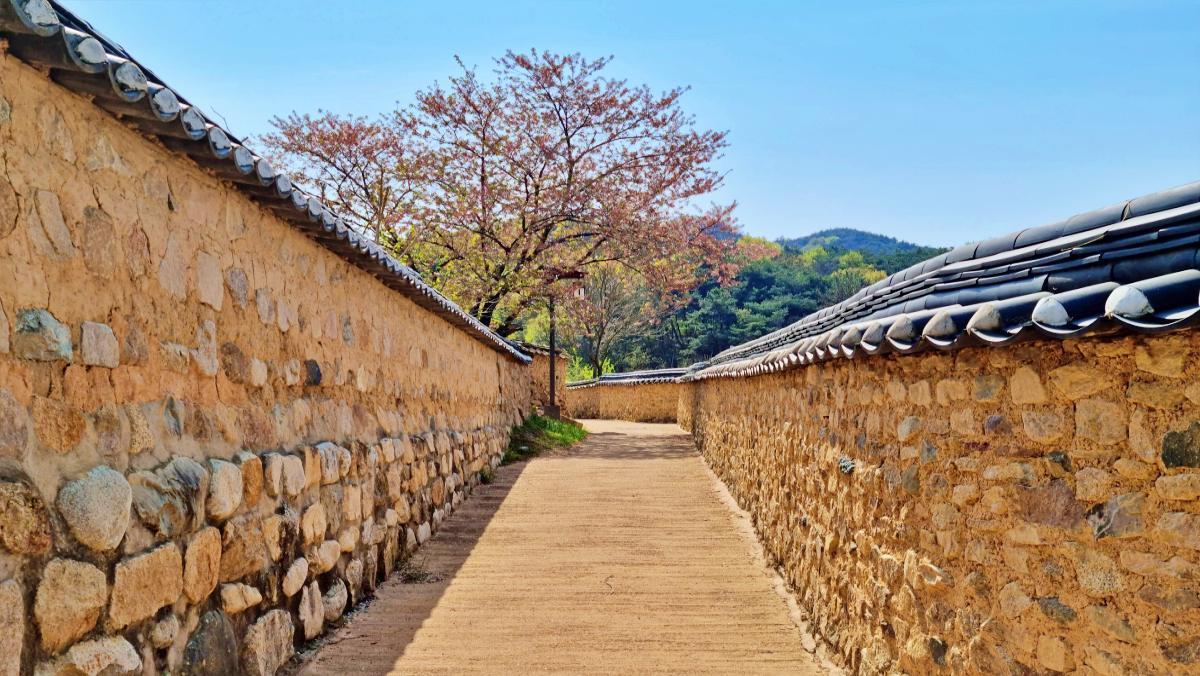
What catches your eye first when you walk through the village is the winding earthen wall. Stretching about 3.3 km, the wall is built from a mix of mud and stone and creates a striking, graceful line alongside the village houses. The height varies intentionally: walls are higher where they back houses or meet the mountain to mark boundaries, while the courtyard walls that cross front yards are kept lower than eye level or beneath the eaves. That design reflects ancestors’ thoughtfulness — keeping communication between indoors and outdoors open and allowing people to enjoy the landscape from inside their homes.
Hangae Village is also known for scholarship and loyalty. Prominent Neo-Confucian scholars of the late Joseon era, like Lee Jin-sang and Eungwa Lee Won-jo, were born and raised here and deepened their studies in this place. The village also preserves traces of Lee Seung-hee, who dedicated his life to the independence movement during Japan’s colonial rule. Recognizing its significance, the entire village was designated a National Folk Cultural Property in 2007, and about ten houses have been individually listed as national or North Gyeongsang provincial folk heritage for their exceptional value.
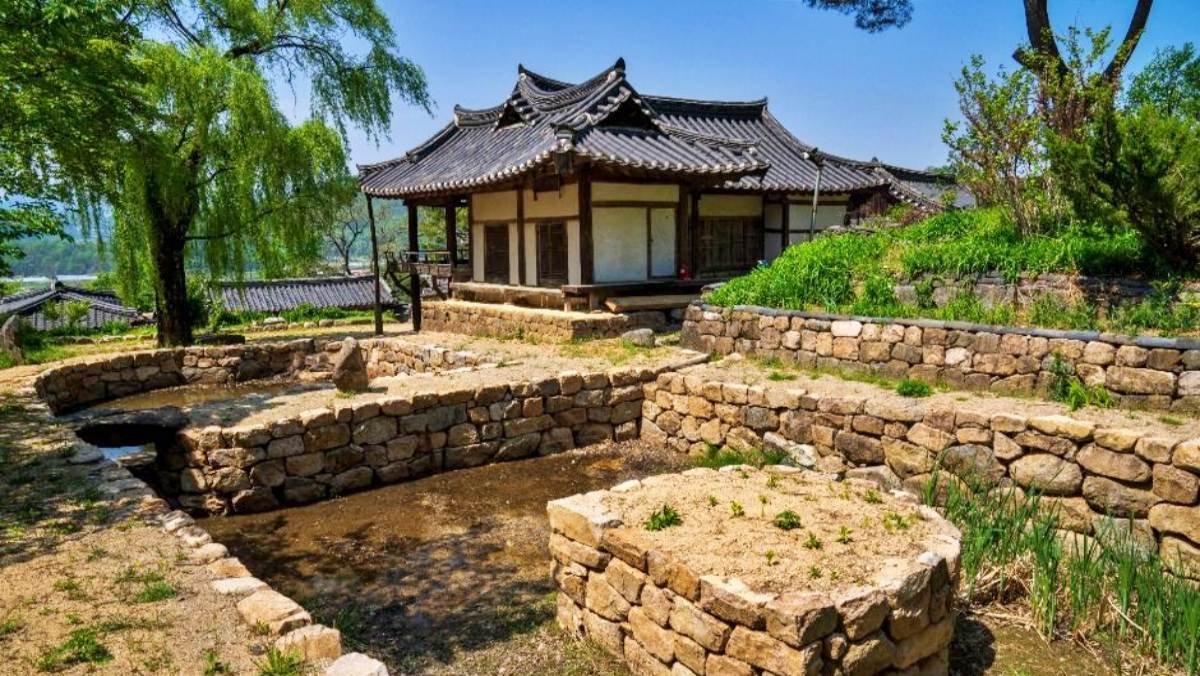
Visitors often praise the village’s unpretentious, uncluttered scenery. On social media (social media) and travel forums, people say things like “the suffocating feeling of high-rise city blocks melts away simply by walking the low earthen-wall path,” or “sitting on a traditional porch and watching the Yeongchwisan ridge is just lovely.” Instead of flashy attractions, Hangae offers a quiet refuge for travelers who want to slow down and reflect.
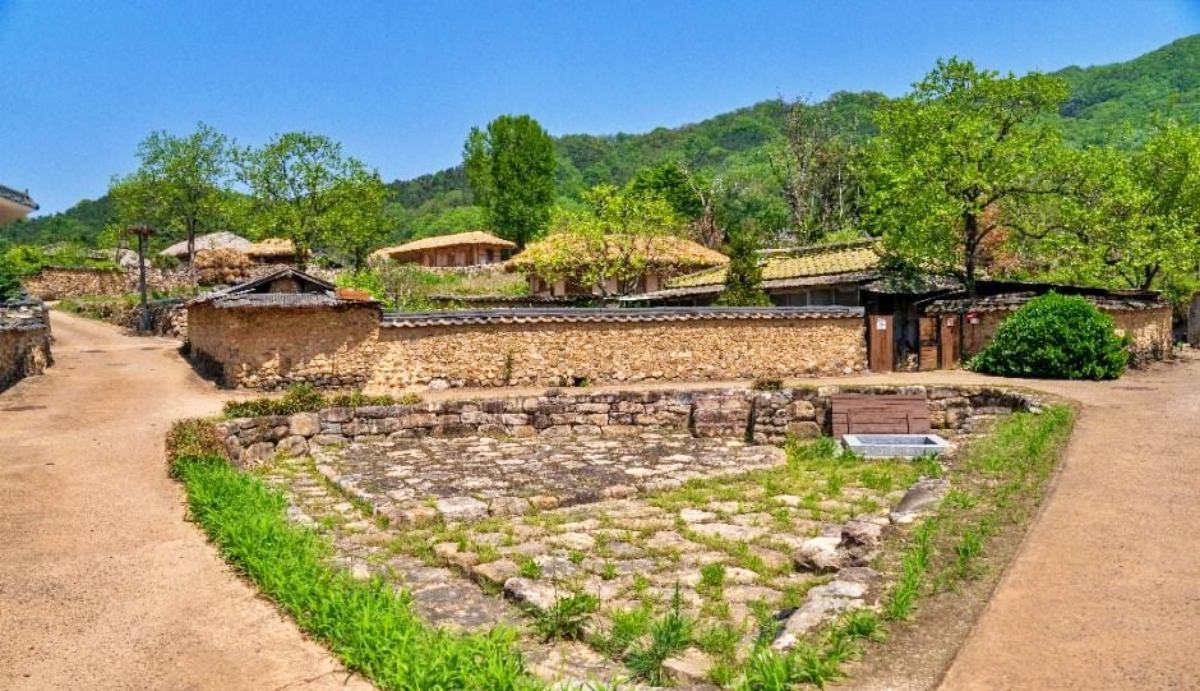
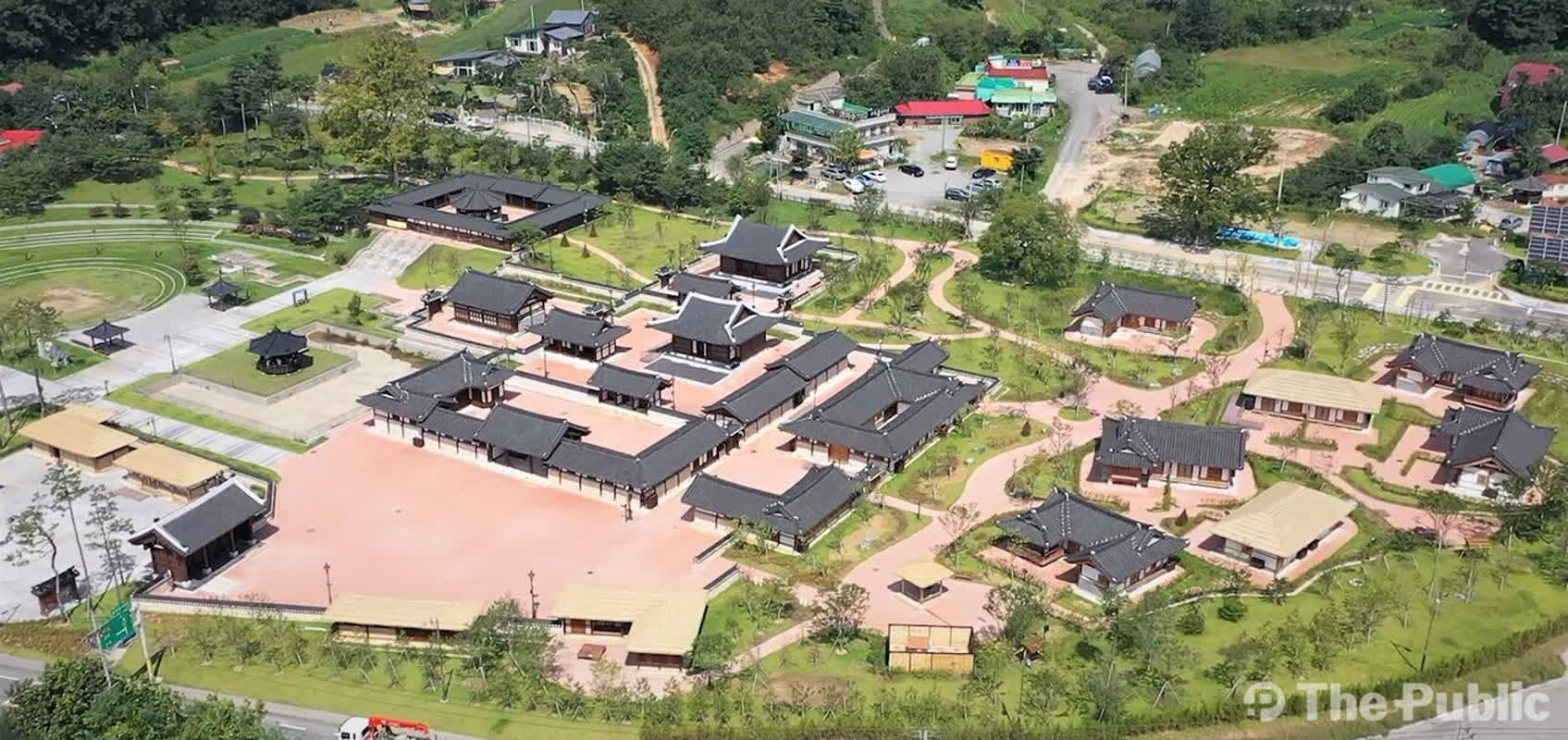
The area around the village has other easy side trips. About a five-minute drive away is the royal taesil (enshrinement site) of King Sejong’s son, preserved in its original form and connected to Hangae’s history. Head into Seongju town and you’ll find Seongbak Forest, a grove of centuries-old willows. Walking beneath them reveals another layer of Seongju’s charm.
No Seongju visit is complete without sampling local flavors. Seongju is famous nationwide for its melons, prized for their high sugar content and crisp texture. You’ll also find melon-based products like jams, dried melon snacks, and smoothies. For a taste of local tradition, try deunggyeojang — Seongju’s soy paste made with roasted barley koji powder. Its nutty, savory notes pair perfectly with the village’s quiet atmosphere. Simple, seasonal country meals add to the pleasure of the visit.
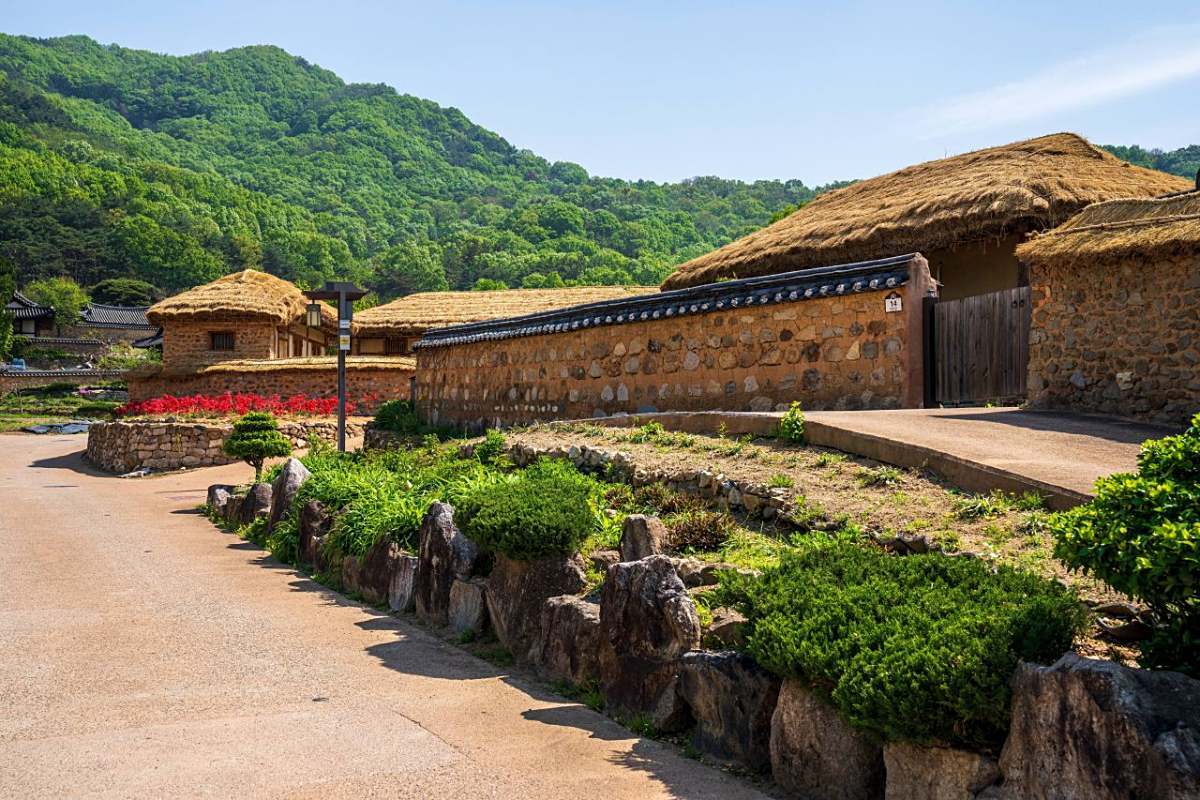
Hangae Village has no entrance fee, and anyone can stroll through it freely. A free public parking lot at the entrance makes visiting easy. But remember: this isn’t a museum — people live here. Stick to designated paths, respect residents’ privacy, and ask permission before photographing inside homes.
As you leave, the long shadows of the old houses linger behind you, like a gentle aftertaste. In a world that prizes speed, Hangae Village reminds you how to walk a little slower and to pay attention to the small, low things. A walk along the earthen-and-stone wall asks you to pause. If you’re craving calm, take the low-walled path in Seongju.
Your daily personal horoscope! What’s in store for you today?