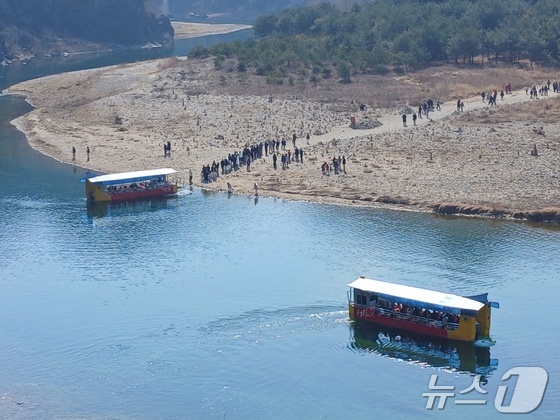
As the film The Man Who Lives with the King has surpassed 12 million admissions, historical sites that appear on screen are being recast in two very different ways: for some visitors they’ve become places of remembrance, for others outlets for anger.
On the 14th, officials in the tourism industry and local governments reported a stark contrast in visitor numbers and online ratings between Yeongwol County in Gangwon Province — the film’s primary setting — and sites tied to the villains in Namyangju, Gyeonggi Province, and Cheonan in Chungcheongnam-do.
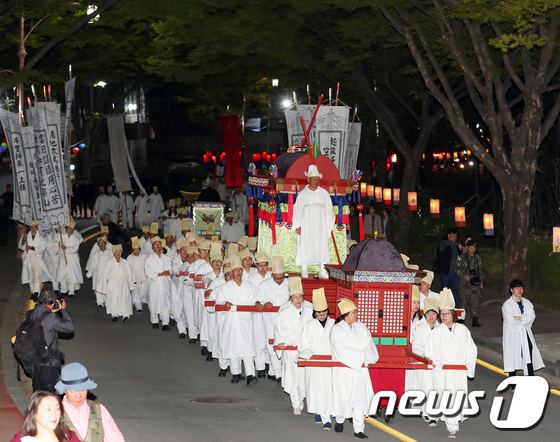
Wiping Danjong’s tears: Fans flock to Yeongwol, the film’s setting
With the movie’s success, audiences have naturally turned their attention to Yeongwol, where King Danjong spent his final days. Cheongnyeongpo — an enclave surrounded on three sides by the river and often called an “island within the land” — is depicted in the film as the place where Danjong longs for Hanyang, and it has become a must-see stop for fans.
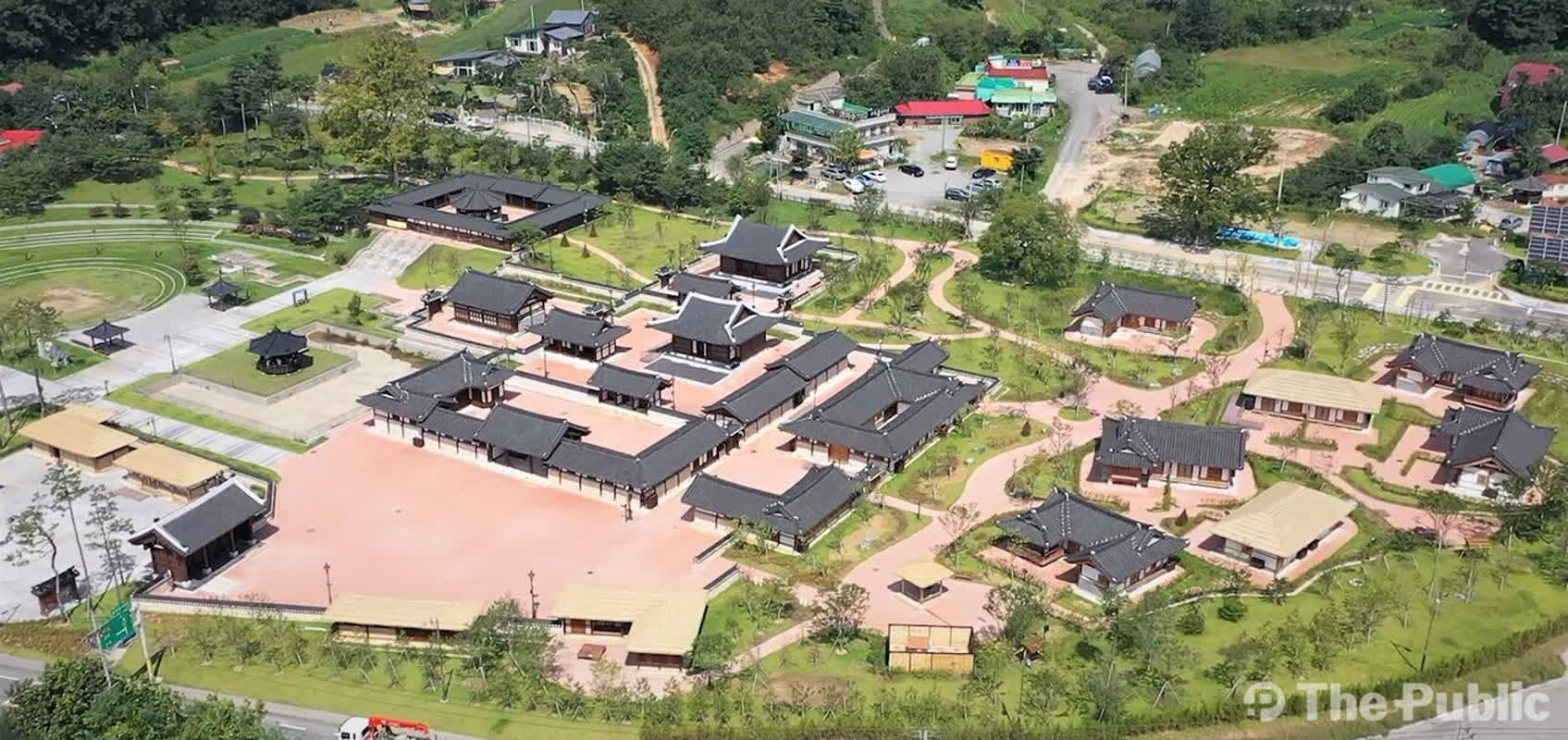
Sites such as Jangneung, where Danjong’s remains are interred; Gwanpungheon, his last residence in exile; and Seondol, known for its striking rock formations, now overlap with the film’s tragic narrative and are being experienced as emotional pilgrimage sites rather than ordinary attractions.
Tour operators have quickly rolled out packages that trace Danjong’s footsteps.
Seungwoo Travel is offering a “Wangsa-nam Filming Locations Tour” through June — a guided trek that visits Seondol, Jangneung and Gwanpungheon. Korail Tourism Development’s Mugunghwa train package has also been popular; it circles Cheongnyeongpo, Jangneung and Seondol and includes a regional specialty meal of freshwater snail hangover soup.
Nearby High1 Resort has kept the film’s momentum going with a shared-value promotion that discounts hotel stays for guests who present admission tickets to the historic sites.
“Where’s the villain’s grave?” — One-star reviews spread across map apps
By contrast, locations associated with characters portrayed as villains in the film have become unexpected focal points for public ire.
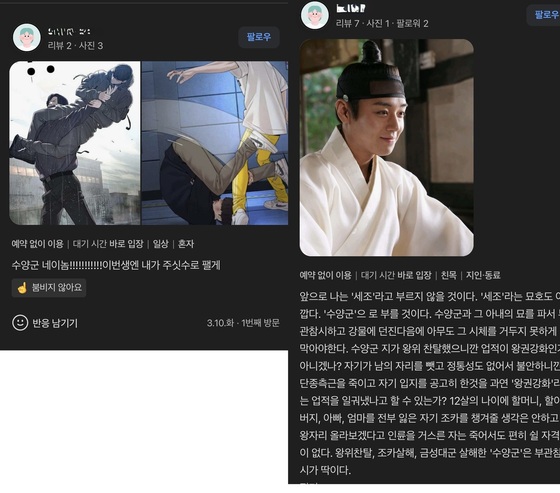
Gwangneung in Namyangju, Gyeonggi — a UNESCO World Heritage site prized for its forest trails — has been hit with waves of one-star reviews after viewers objected that it contains the tomb of Sejo (Prince Suyang), portrayed in the film as a central antagonist.
Han Myeong-hoe’s tomb (Chungnam Monument No. 108) in Cheonan, which was once a quiet local heritage site, has likewise become a required stop on self-styled “villain tours.”
Major map and travel-review platforms are filling up with angry comments — “The king who killed his nephew doesn’t deserve such a grand tomb,” and “I came here furious after watching the film” — accompanied by one-star ratings posted in real time.
Rather than attacking preserved artifacts, emotionally invested viewers are visiting these real locations to vent, producing a curious phenomenon driven by the film’s narrative.
“Bad comments are better than indifference”: Local governments turn to contrarian marketing
Faced with this backlash, some local governments have chosen to exploit the spotlight as a promotional opportunity.
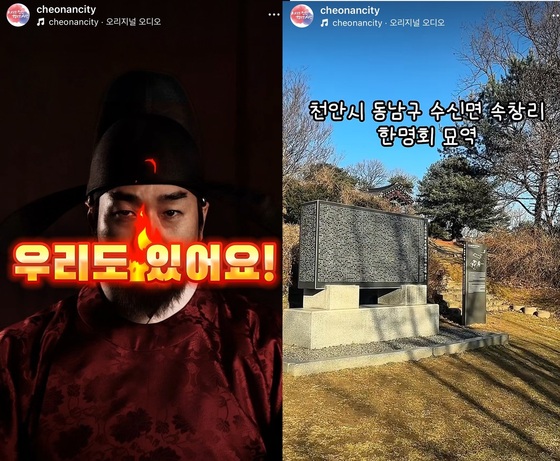
Cheonan, for example, has used official social media channels to highlight Han Myeong-hoe’s tomb, inviting people to come and see the real traces of the figure depicted as a villain in the film. The city has reframed the renewed attention on a once-forgotten site as a form of “noise marketing.”
“We framed it lightheartedly to suggest that travelers driving from Cheonan to Seoul can spot Han Myeong-hoe’s tomb from the highway and stop by, even briefly,” said Lee Seung-hyun, a Cheonan city official. “With Yeongwol getting so much attention, we wanted to let people know that sites related to Han Myeong-hoe, a key figure in the film, are also in Cheonan.”