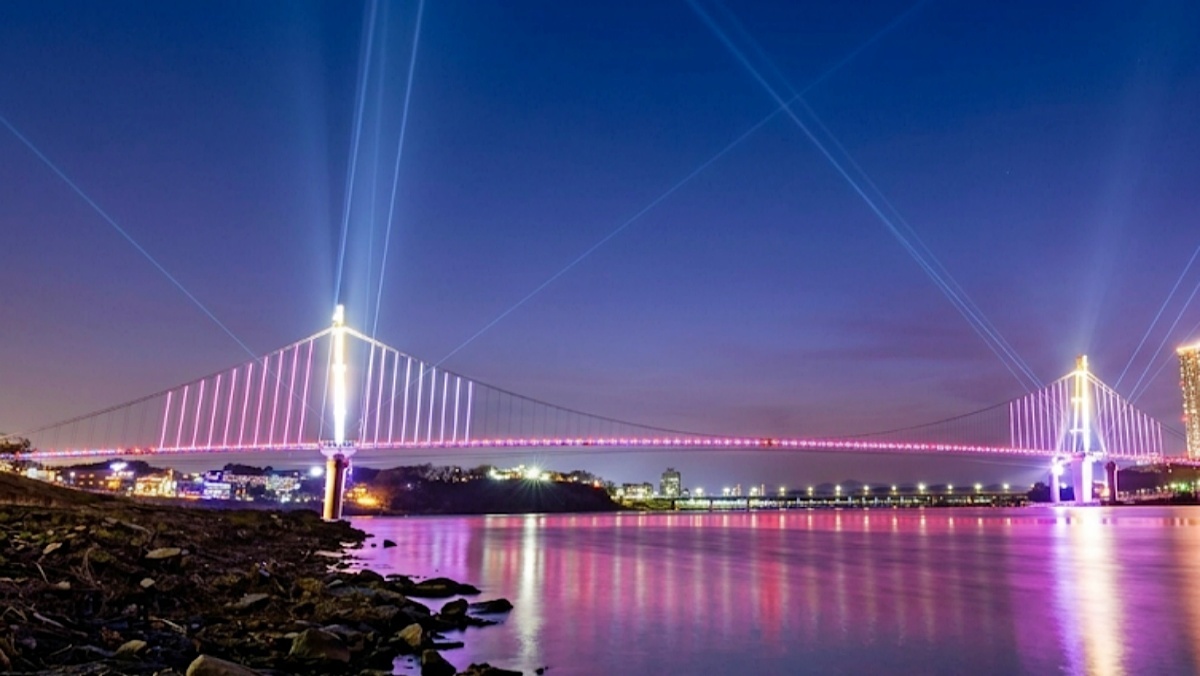
Last year, a suspension bridge was installed over the Namhan River, changing the way people experience travel in Yeoju.
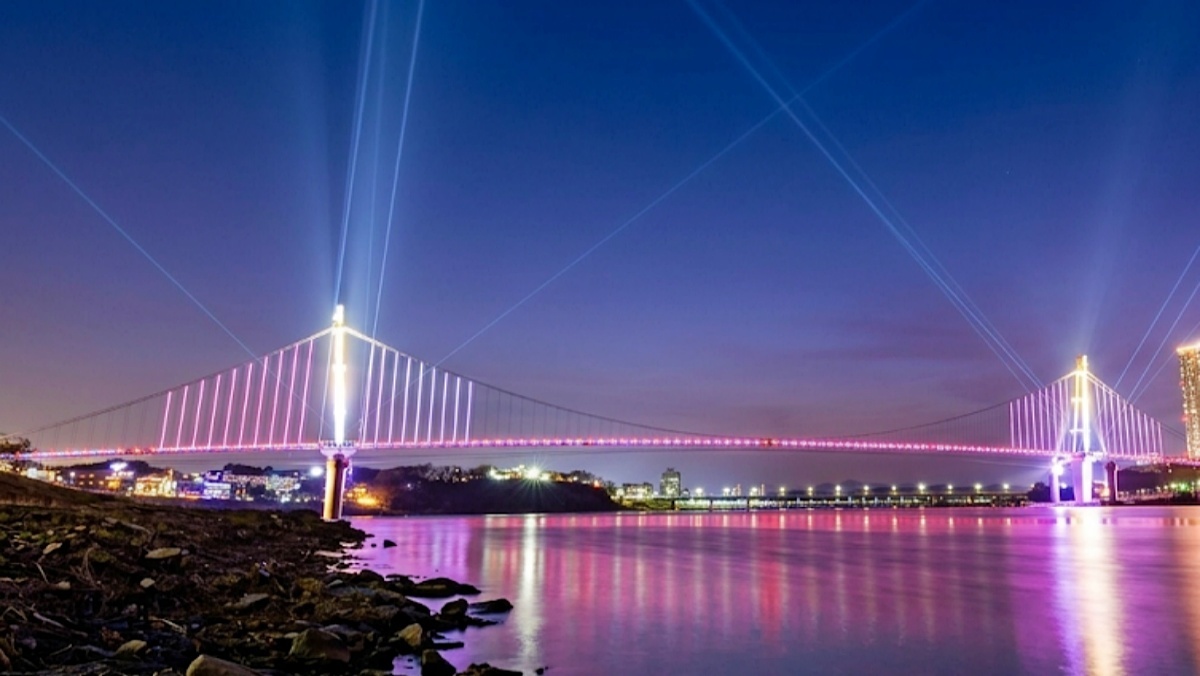
'Namhan River Suspension Bridge' offers a fresh kind of outing: walking above the water with the river breeze in your face. Once you step onto the bridge your view opens up, and the Namhan River feels much closer. It’s a great spot for a relaxed walk, panoramic views, and nighttime scenery, making it an ideal choice for a day trip.
515m pedestrian bridge spanning the Namhan River
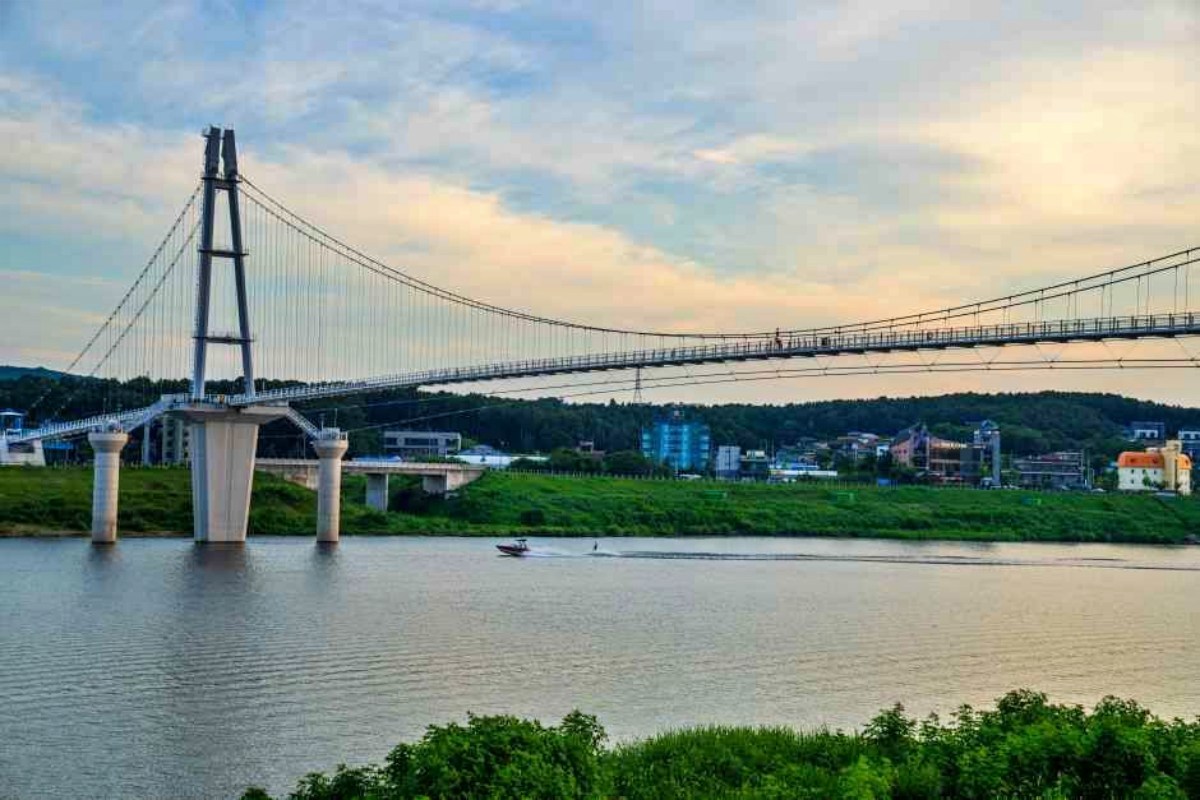
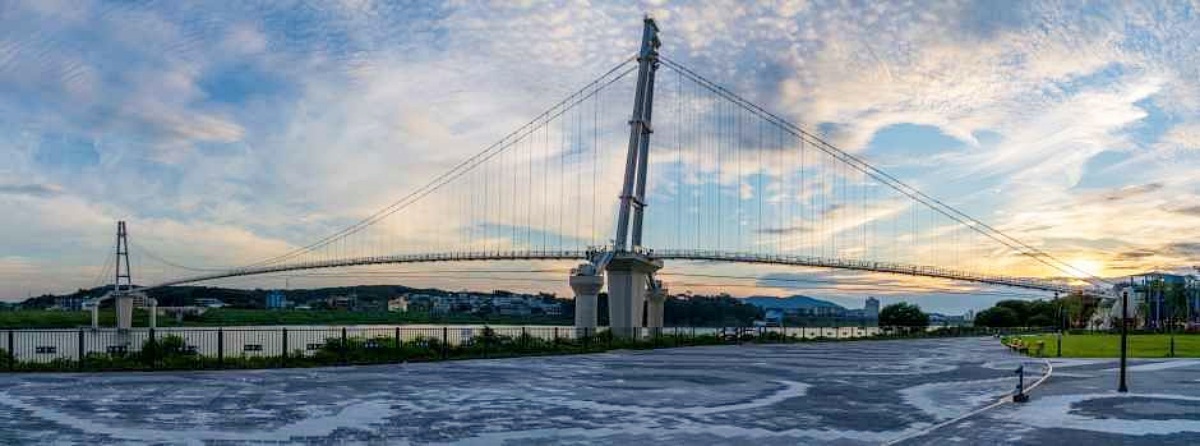
The Yeoju Namhan River Suspension Bridge opened on May 1, 2025. It links Cheonsong-dong and Yeonyang-dong and is for pedestrians only. The bridge is 515m long with a 2.5m walking width. Its main pylon rises 48m, so it’s visible from a distance. The total project cost was 332 hundred million KRW (approximately 24.9 million USD). As a large structure on the Namhan River built exclusively for pedestrians, the bridge has special significance. Constructed as a suspension bridge, it presents a clean line across the water and a clear sense of structure even from afar. It was designed so that up to 1,200 adults can cross simultaneously without safety issues, allowing for steady movement even at busy times.
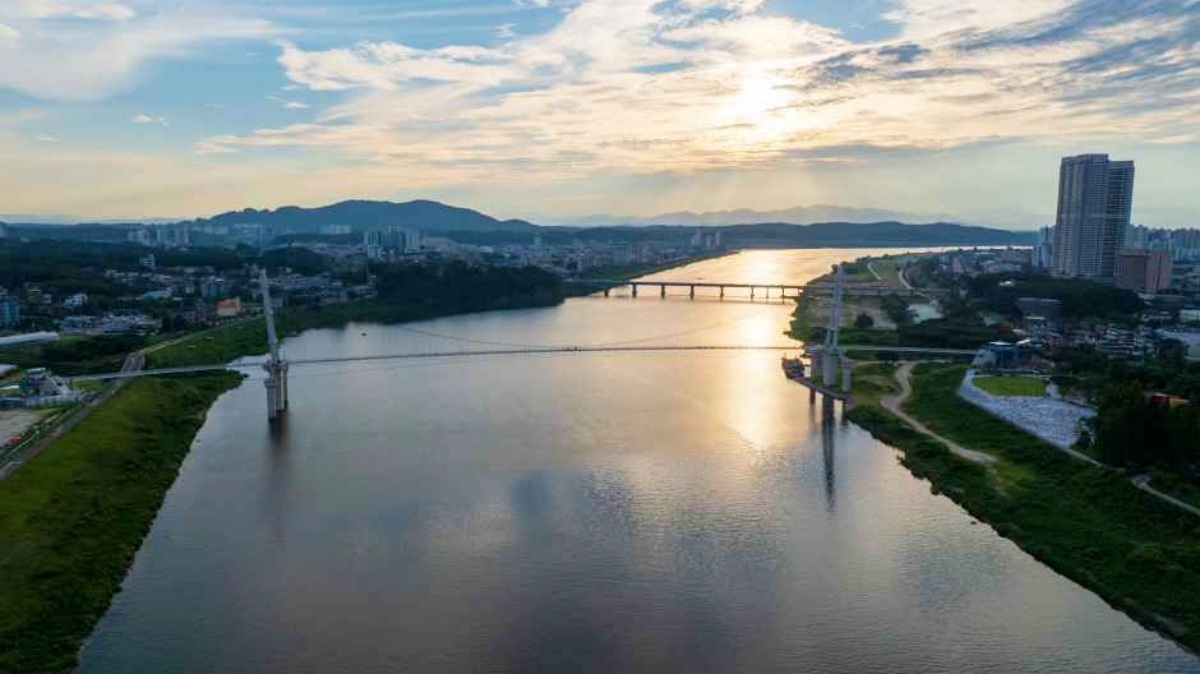
From the bridge, Yeoju’s riverside landscape unfolds more broadly. The sweeping view follows the river’s flow and naturally frames nearby greenery and riverfront facilities. Because the bridge is pedestrian-only, you won’t be bothered by traffic noise while you walk. Take a slow stroll, feel the current and the breeze, and you’ll notice how even a short walk loosens the rhythm of daily life. The riverbank’s colors and light shift with the seasons, so the same path can feel different at different times of the year.
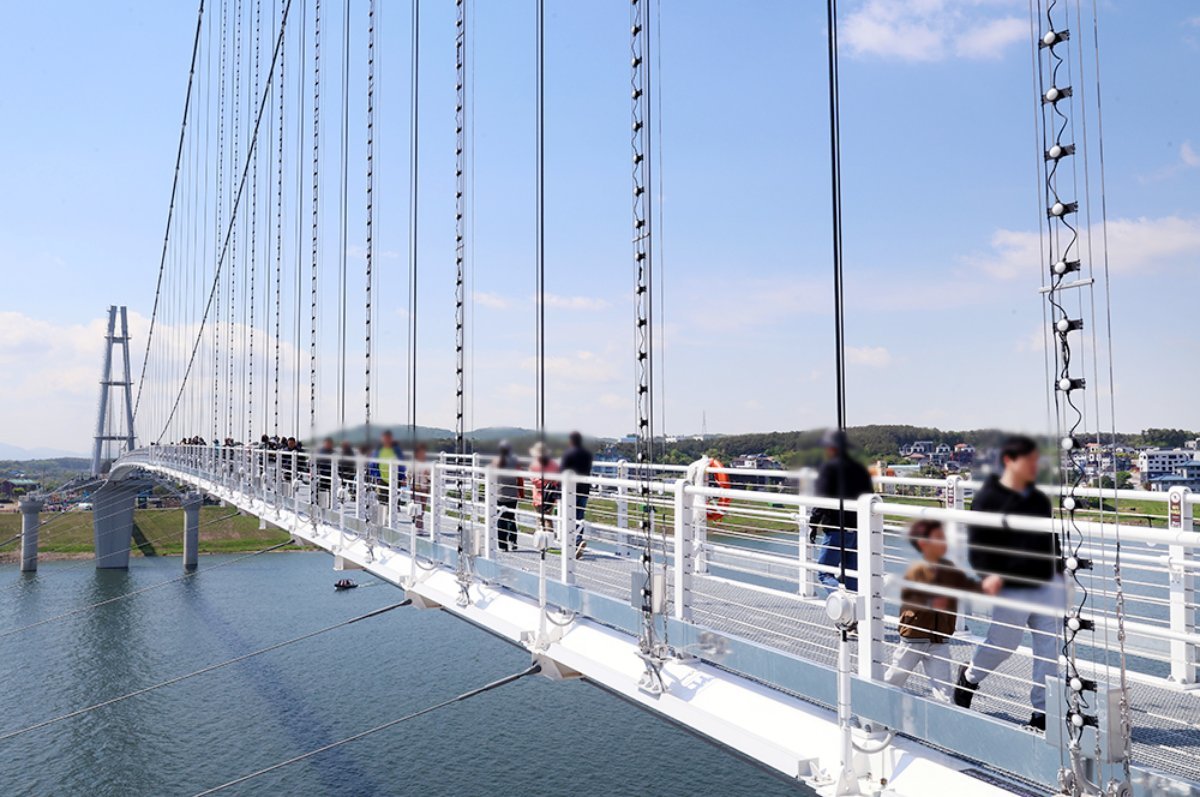
The most striking feature is the Media Glass zone built into the deck. Through the transparent glass floor you can see the Namhan River’s surface below, and in some sections a cracking-glass visual effect adds a thrilling edge. This element offers a different sensation from a standard walking path and appeals to visitors of all ages. The proposal zone at the bridge’s center is another popular stop. Set up for pictures with a sweeping river backdrop, you’ll often see people waiting their turn on weekends. These design touches are woven into the walking route so crossing the bridge never feels dull.
The bridge’s characteristic, gentle sway is part of its charm. It’s not unsettling, but it clearly reminds you that you’re walking above the river. With water flowing beneath your feet and open views on both sides, even a short walk feels distinct from a typical land path. Many first-time visitors slow their pace around the middle of the bridge to take in the surroundings. Crossing the river here naturally combines purpose and sightseeing.
Day and night: different moods
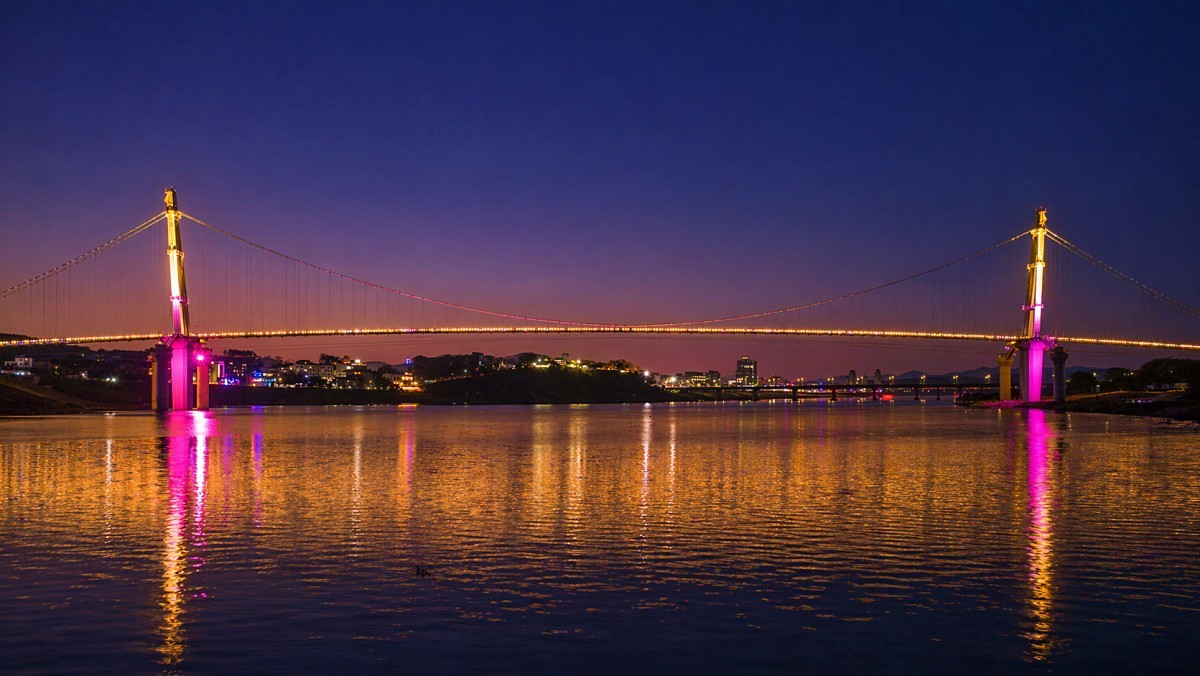
The bridge transforms after sunset. When the media-facade lights on the upper structure turn on, the atmosphere shifts dramatically from the daytime view. The lighting reflects on the Namhan River, sharpening the contours of the bridge and the riverbank. It improves nighttime walking safety and adds depth to Yeoju’s evening skyline. Many visitors plan a late-afternoon visit to take in both daylight views and the illuminated night scene. Starting a walk around sunset lets you enjoy the changing light over the water. By day you notice the bridge’s lines and the river’s flow; by night the lighting settles the scene into a calmer mood.
At dusk especially, the sky and river slowly change color, and the bridge’s panorama shifts with them. Until the sun fully sets, the riverbank’s outline remains soft; once it’s dark, the lighting anchors the space. If you have time, visit in the late afternoon rather than at midday to watch the scene evolve. The same spot can leave strikingly different impressions depending on when you stay.
A bridge that links history and leisure
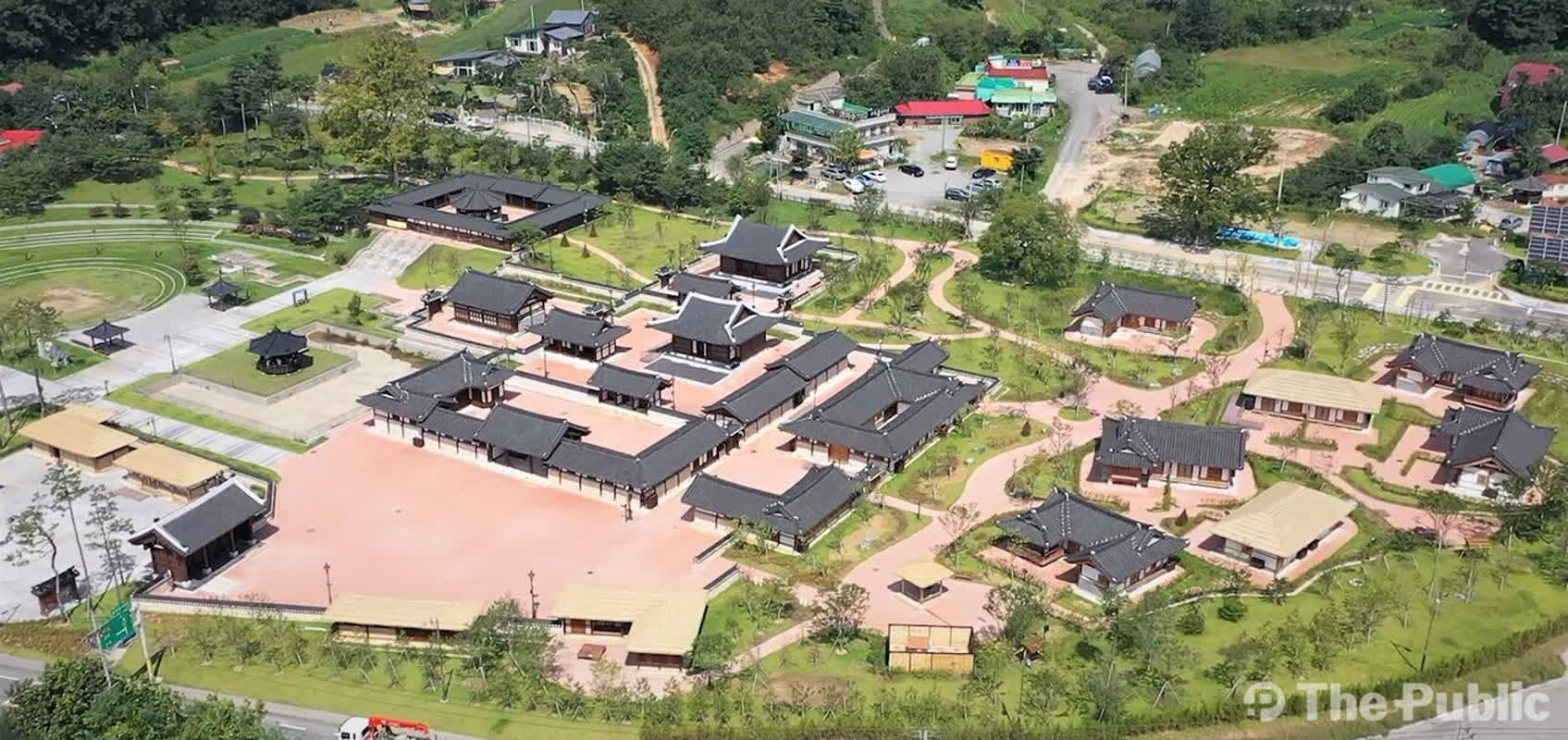
The bridge does more than span the river. One side connects to the thousand-year-old Silleuksa Temple, while the other opens onto the Geumeunmorae Campground. Silleuksa is one of Yeoju’s representative cultural sites, home to riverside features like the rock pavilion Gangwolheon and a multi-tiered brick pagoda. On the opposite bank, Geumeunmorae Campground offers wide lawns and well-maintained facilities, making it a popular family destination. The meeting of historic and modern leisure spaces across the bridge is a defining feature. Walk across, take in the river, and visit both the temple and the campground to experience Yeoju’s variety in a short, connected route.
A bike path and walking trail run along the Namhan River around the Geumeunmorae Campground. Instead of turning back after seeing the bridge, it’s nice to stroll the riverbank a bit further or sit and rest. There’s plenty of space for kids to run, and the riverside vibe changes with the seasons, so it’s a reliable spot for family outings. When you view the same scenery from the riverbank after seeing it from the bridge, the change in height alters your perception and deepens the travel experience. The short crossing becomes less of a route and more of a shift in perspective on Yeoju’s landscape.
Food and markets worth trying in Yeoju
Tasting local specialties is a big part of visiting Yeoju. Yeoju rice has long been one of the region’s signature products; its sticky texture and natural sweetness make it a beloved staple. Near the suspension bridge, restaurants commonly serve Yeoju rice with spicy stews made from freshwater fish from the Namhan River. Spicy catfish stew is known for its clean, spicy broth and makes a hearty meal after a riverside outing. Some places also serve seasonal mountain vegetables for a lighter, milder meal option.
Yeoju is also famous for sweet potatoes. Grown in soil with wide day–night temperature swings and good drainage, Yeoju sweet potatoes are sweet and tender, making them a popular snack. At Yeoju Hangeul Market or local food shops you can find sweet potatoes, rice, and other regional specialties all in one place. The Hangeul Market features elements themed around King Sejong and the Korean alphabet, making it pleasant to browse as you shop. Dropping into an old snack shop or a simple food stall inside the market for a modest bite fits naturally into the route. After visiting the bridge and Silleuksa, continuing on to the market makes for a seamless day out.
The convenience of pairing a meal with shopping is another plus. On a trip, the atmosphere of a casual restaurant or a market stop often lingers as much as the headline sights. In Yeoju, a riverside walk and a traditional market visit connect easily, and the cool river views and market energy combine to keep the day’s rhythm relaxed and steady.
See another side of Yeoju from the river
If you want a more three-dimensional view of the Namhan River, consider taking a Hwangpo sailboat. Riding a recreated barge that once carried goods across the river gives you a different vantage point from land. From shore you notice the bridge’s length and walking line first; from the river the structure and its relation to the landscape come into clear focus. The bridge, Silleuksa, and the riverfront fit into a single scene, which helps you understand Yeoju’s terrain and how attractions link together. The fact that you can combine land and water experiences is another asset of the bridge area.
The bridge reads differently from a Hwangpo sailboat than it does while walking. Walking emphasizes the sensation of standing above the river, while a boat highlights the bridge’s structure and how it spans the Namhan. If you have time, plan to see the view once from land and once from the water. The same place will leave a noticeably different impression depending on your vantage point.
Visitor information for the Namhan River Suspension Bridge
Check operating hours before you go. From March through October the bridge is open from 9:00 AM to 6:00 PM; from November through February it operates from 10:00 AM to 5:00 PM. The nighttime lighting runs from just after sunset until closing, so if you want to catch the lights, plan to arrive about 30 minutes before sunset. The bridge is closed on the first and third Monday of each month; if a regular closing day falls on a public holiday, it will be closed the following Tuesday. It is also closed on New Year’s Day, Lunar New Year, and Chuseok. There is no admission fee, so it’s easy to stop by.
Follow basic safety rules while on the bridge. Bringing food and leaving trash are prohibited; dispose of waste in designated bins or take it with you. Pets are allowed only when kept in a carrier. Bicycles and electric scooters are not permitted on the bridge. Avoid high heels or shoes that might get caught in deck gaps—comfortable sneakers are recommended. Do not intentionally stamp to shake the deck, climb the railing, drink alcohol, smoke, cook, or eat on the bridge. People with severe physical or mental impairments may be restricted for safety, and the bridge may be temporarily closed in bad weather. For detailed visitor guidance, check the 여주시 홈페이지.
The Namhan River Suspension Bridge blends Yeoju’s natural scenery with modern facilities. Walking above the river brings wide views and a refreshing breeze that can change the feel of a short trip. Add Silleuksa, Geumeunmorae Campground, nearby restaurants, the local market, and a Hwangpo sailboat ride, and you can build a fuller day. The bridge serves not only as a river crossing but also as a starting point that naturally connects several Yeoju attractions.