|
Whales, Hot Springs, and Remote Islands…Destinations Built on Local Charm From “A Quick Stop” to “A Place You Actually Want to Stay” Ulsan · Daejeon · Gimpo · Gwangju · Bonghwa — Destinations Designed for Longer Stays |
Local tourism is getting a makeover. For years Korea’s tourism scene was criticized for repeating the same attractions—think suspension bridges and cable cars—but now towns and cities are leaning into what makes them unique. New projects are being built around local culture, history and natural resources.
The Lee Jae-myung administration recently set an ambitious goal: welcome 30 million foreign visitors by 2029. Boosting regional tourism is now front and center. Plans include expanding international flights at regional airports and giving travelers more time to book high-speed rail tickets in advance.
If places want visitors to linger, they need something more than a pretty view. They need authentic reasons to stay: great food, immersive experiences, and places to sleep. Around the country, local governments are fast-tracking projects that celebrate regional identity. Look at the slate of developments due by 2030 — the trend is unmistakable.
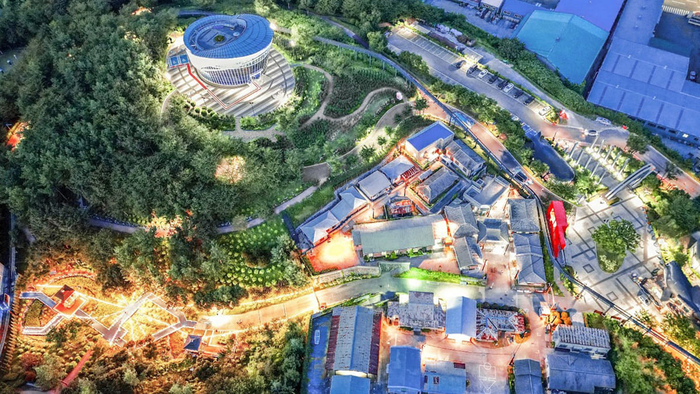
Jangsaengpo Whale Culture District, Nam-gu, Ulsan / Photo: Nam-gu, Ulsan
Ulsan Nam-gu’s Jangsaengpo Whale Culture District — Korea’s only whale-themed tourism zone — started a southern regional tourism development project in 2024.
Highlights include The Wave, a coaster-style kart ride, an aerial walkway called “Whale Ridge,” family lodging branded “Whale Sleep,” and plans to develop the nearby island Jukdo into a visitor attraction.
The “Whales Swing” is a powered two-seat aerial swing built with 1.18 billion KRW (885,000 USD). The new extreme ride, the Coaster Kart, lets visitors drive character-themed karts for 1.1 km (0.68 miles) around the Hydrangea Garden and Whale Culture Village, reaching speeds up to 40 km/h (25 mph).
The Wave will be a two-story wooden venue with a 31 m (102 ft) media tunnel. It will house the Whale Sea Tour ticket office, a second-floor observation deck and a rooftop viewing area — plus whale-themed media content visitors can enjoy from the monorail.
Local officials say once these hub facilities are completed in the coming months, Jangsaengpo could become a national destination where visitors choose to stay and explore, not just stop by.
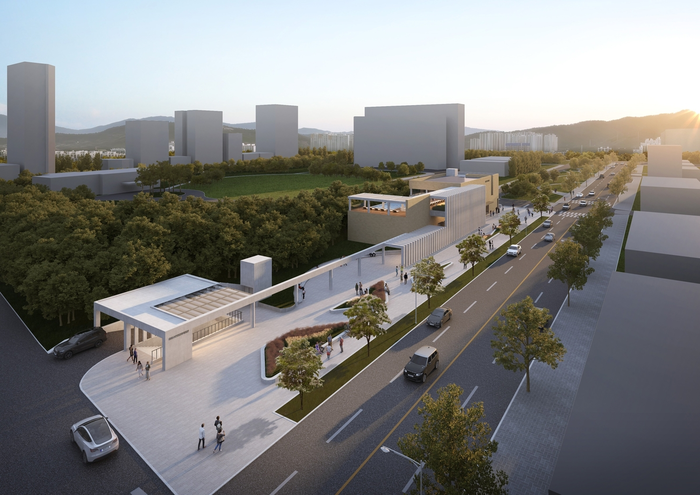
Rendering of the Yuseong Hot Spring Cultural Experience Center / Photo: Yuseong-gu, Daejeon
Daejeon’s Yuseong District is reimagining its hot-spring assets as cultural and hands-on experiences. The centerpiece is the new Yuseong Hot Spring Cultural Experience Center near the Doodream Performance Hall in Yuseong Hot Spring Cultural Park.
The project won a 2020 competition run by the Ministry of Culture, Sports and Tourism to create a hot-spring tourism hub. It will have one basement level and two aboveground floors, totaling 4,796 m² (about 51,600 ft²), at a cost of 19.8 billion KRW (14.85 million USD).
Expect corridors that open onto an outdoor performance venue, a hot-spring exhibition hall, outdoor pool-like spaces that blend into the landscape, and indoor areas usable year-round. Officials are targeting July 2027 for completion.
Yuseong plans to pair the center with local initiatives: branded merchandise, a year-round festival featuring a 1,500-drone light show, nighttime scenery programs, themed forest camping, wellness offerings for business travelers, and a smart tourist-info system.
The district will link the center to its signature hot-spring festival, offering performances, exhibits and hands-on hot-spring experiences that invite visitors to stay longer.
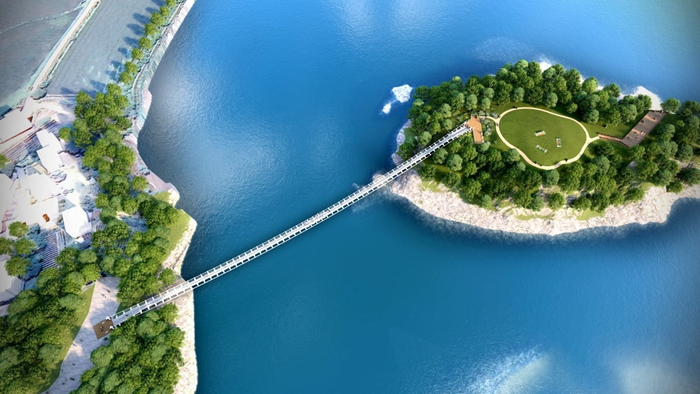
Rendering for the Buraedo tourism project, Gimpo City / Photo: Gimpo City
Gimpo in Gyeonggi Province is transforming Buraedo, an uninhabited island that was off-limits for decades due to military and geographic reasons, into a public attraction.
Gimpo will invest 10.1 billion KRW (7.58 million USD) in the Buraedo project on the Yeomha River in Sinan-ri, Daegot-myeon, aiming for completion by June 2027. The 17,217 m² site will feature an arrival plaza, a main-island trail, a 1.5 m–wide, 200 m–long suspension bridge, rest spots and scenic viewpoints.
After opening, Buraedo will host nature concerts and cultural shows and even quirky events like a “spacing-out” contest. Officials are planning a looped itinerary that links Daemyeong Port, the Ship Park and the Peace Nuri Trail. They’ll also offer eco programs—forest reading, migratory bird and wetland tours—and improve night lighting and access to boost after-dark visits.
Gimpo says it will keep artificial development to a minimum, preserving nature while creating places for locals and visitors to relax, learn and enjoy hands-on ecological experiences.
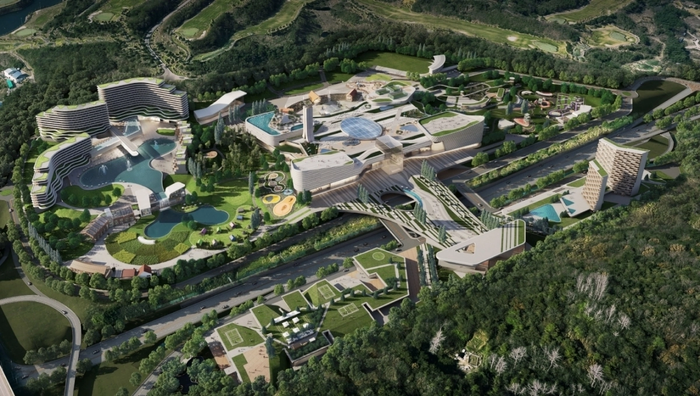
Rendering of the Eodeungsan tourism complex / Photo: Gwangju Metropolitan City
Gwangju is developing a large mixed-use tourism complex focused on extended stays. The Eodeungsan project will include “Starfield Gwangju.” Construction is set to start in 2026, with Starfield, condos and supporting facilities slated for 2030 and residences to follow by 2033.
Gwangju aims to turn the site into a southwest regional tourism hub for the Honam area and a national staycation destination that draws visitors from across Korea.
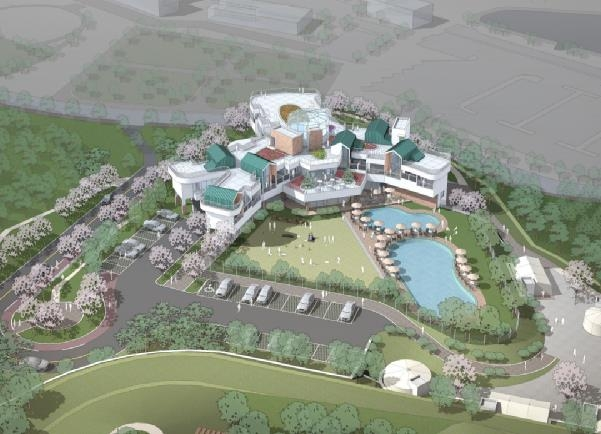
Rendering of the Baekdudaegan Healing Pet Village, Bonghwa County / Photo: Bonghwa County
Bonghwa County in North Gyeongsang Province is building the Baekdudaegan Healing Pet Village in Oesam-ri, Bongseong-myeon. The project kicked off after planning and feasibility studies in 2022 and targets a stay-oriented experience where pets and owners can relax, walk and bond together.
The plan covers 16,700 m² and calls for a two-story complex with 18 lodging units, pet yards, walking trails and outdoor activity areas. Officials are factoring in convenience, safety, circulation, outdoor usability, eco-friendliness and energy-saving measures. The target completion is the end of 2026.
Put together, these projects reveal a clear shift: local tourism is moving from snapshot attractions to places built for staying and doing. Instead of cookie-cutter sights, regions are investing in experiences that reflect their identity.
Seoyeon Moon, Travel+ reporter

Maeil Business Newspaper Seoyeon Moon reporter page
media.naver.com
✈
Follow Travel Plus on Instagram
for trendy travel tips

20K followers, following 38, 1,841 posts - View photos and videos from Travel Plus (@trip_plus) on Instagram
www.instagram.com