Bringing Local Tourism Back to Life
K-culture has taken the world by storm, and tourism to South Korea has surged to record levels. Nearly 19 million international visitors arrived last year. At the end of February, the Lee Jae-myung administration announced an ambitious goal: 30 million foreign visitors by 2029, signaling a push to reposition Korea as a major global travel destination.
But Korea’s long-standing imbalance — with everything concentrated around the Seoul metro area — shows up in tourism too. Most travelers head straight for Seoul and Jeju, and among the five largest metro cities, only Busan consistently draws big crowds. That pattern isn’t just true for overseas visitors: domestic travelers also tend to flock to the well-known spots or leave the country altogether instead of exploring regional gems.

That’s understandable. A handful of similar local festivals, a few popular eateries and some Instagrammable spots aren’t enough to lure travelers whose tastes have gotten more sophisticated. Regional tourism needs experiences that can compete with Seoul’s infrastructure and conveniences — or even with unique overseas getaways. In that light, Daegu’s new “art and healing” collaboration, which brings together the city’s most talked-about hotspots, feels perfectly timed.
Not many people think of Daegu first when they picture Korea, but right now no other Korean city is drawing as much attention from the tourism industry. Two local sites have even been named “Korea Tourism Star” by the Ministry of Culture, Sports and Tourism and the Korea Tourism Organization: the Kansong Museum of Art (selected in 2024) and Sayuwon (selected last year).
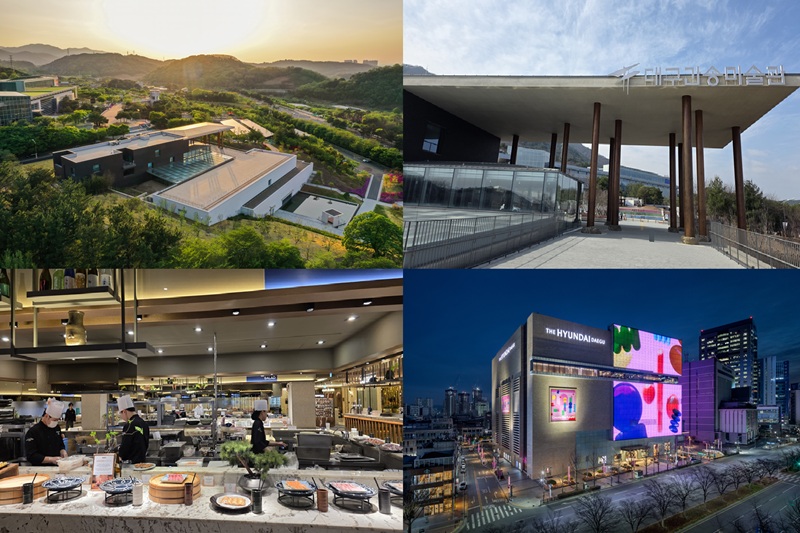
Sayuwon and the Kansong Museum have joined forces with Daegu’s first five-star hotel, Inter-Burgo Daegu, and The Hyundai Daegu to launch a package called 2026 Art & Healing Stay in Daegu. The project was created by private companies, without government funding. Does “art and healing” really suit Daegu? I visited on March 6–7 to find out.
I found Mihindo leaning against the wall of Sayuwon’s Soyoheon
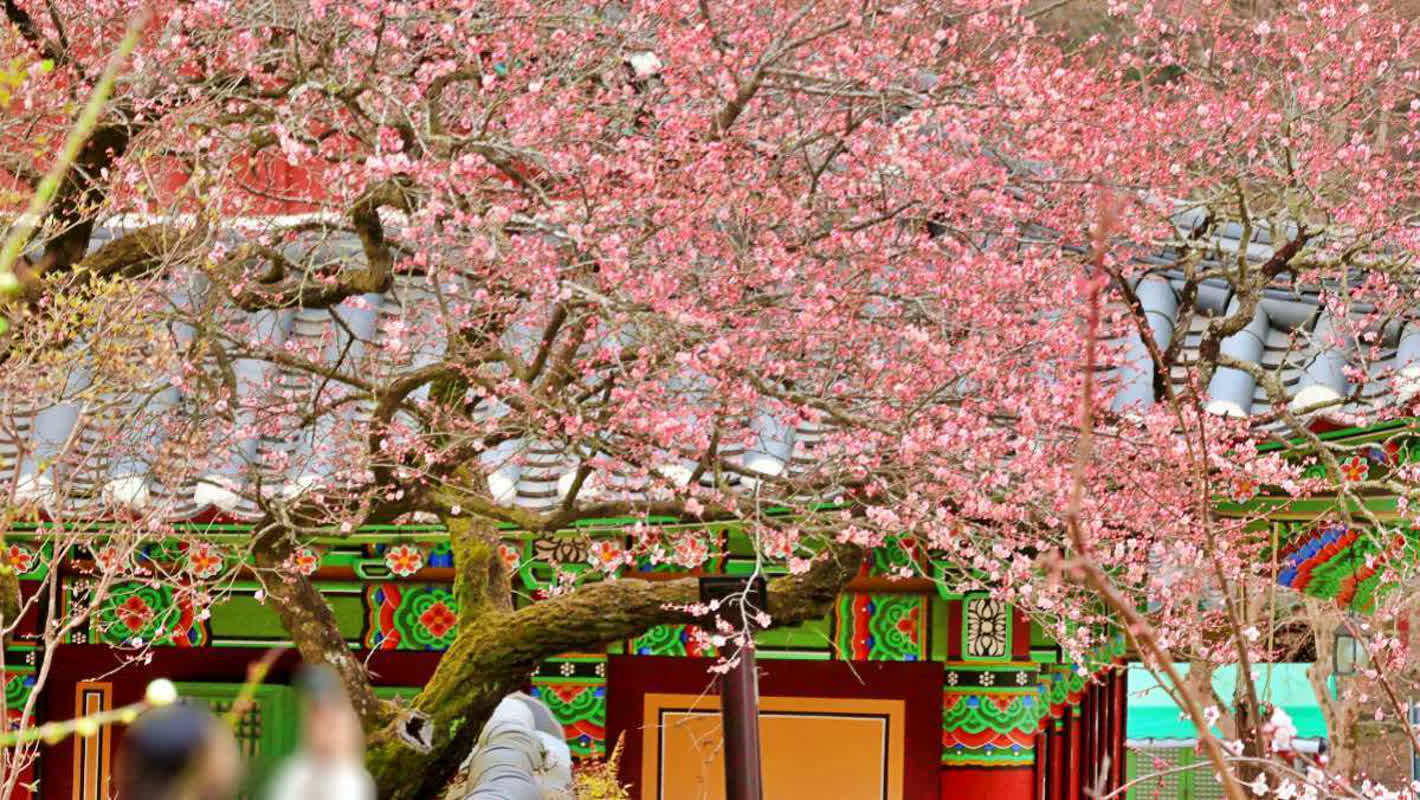
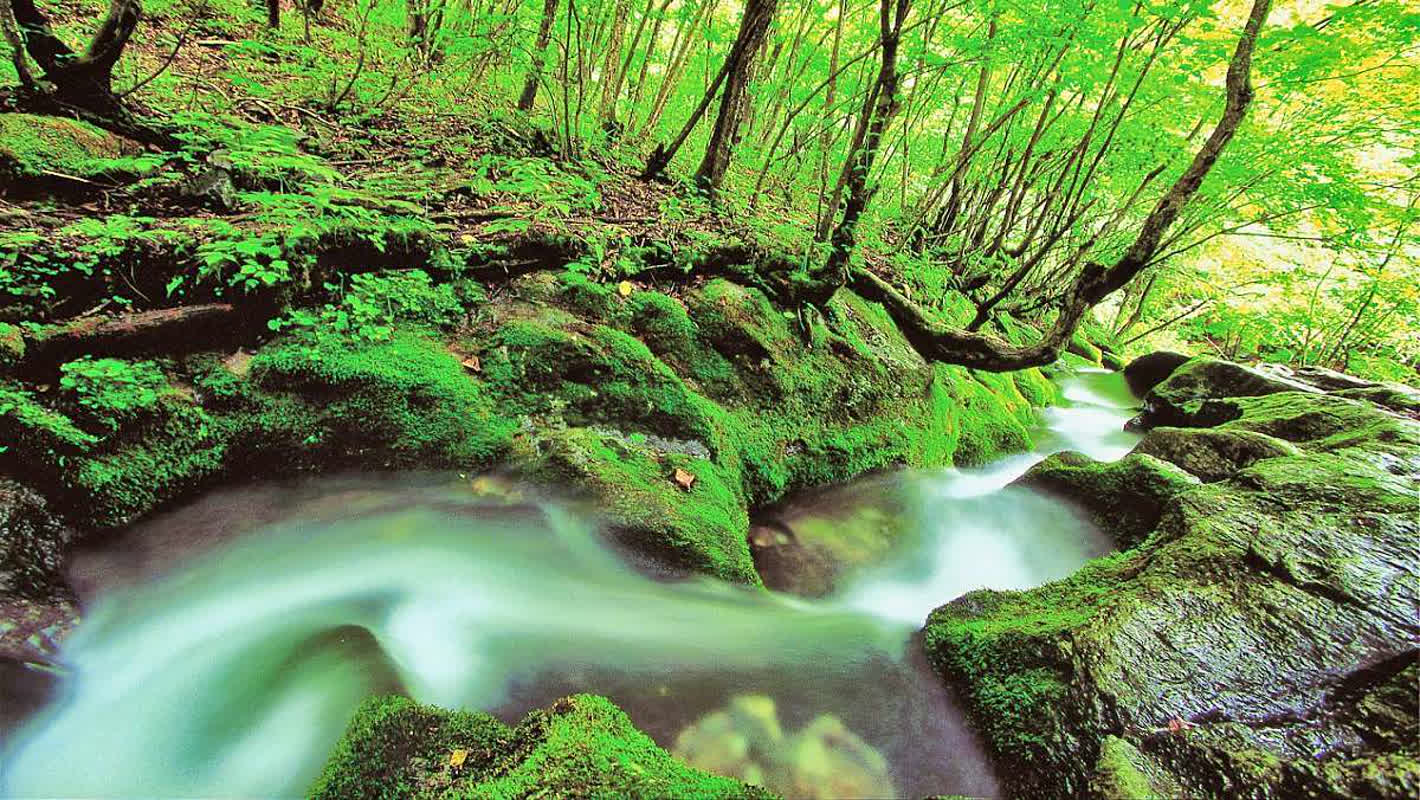
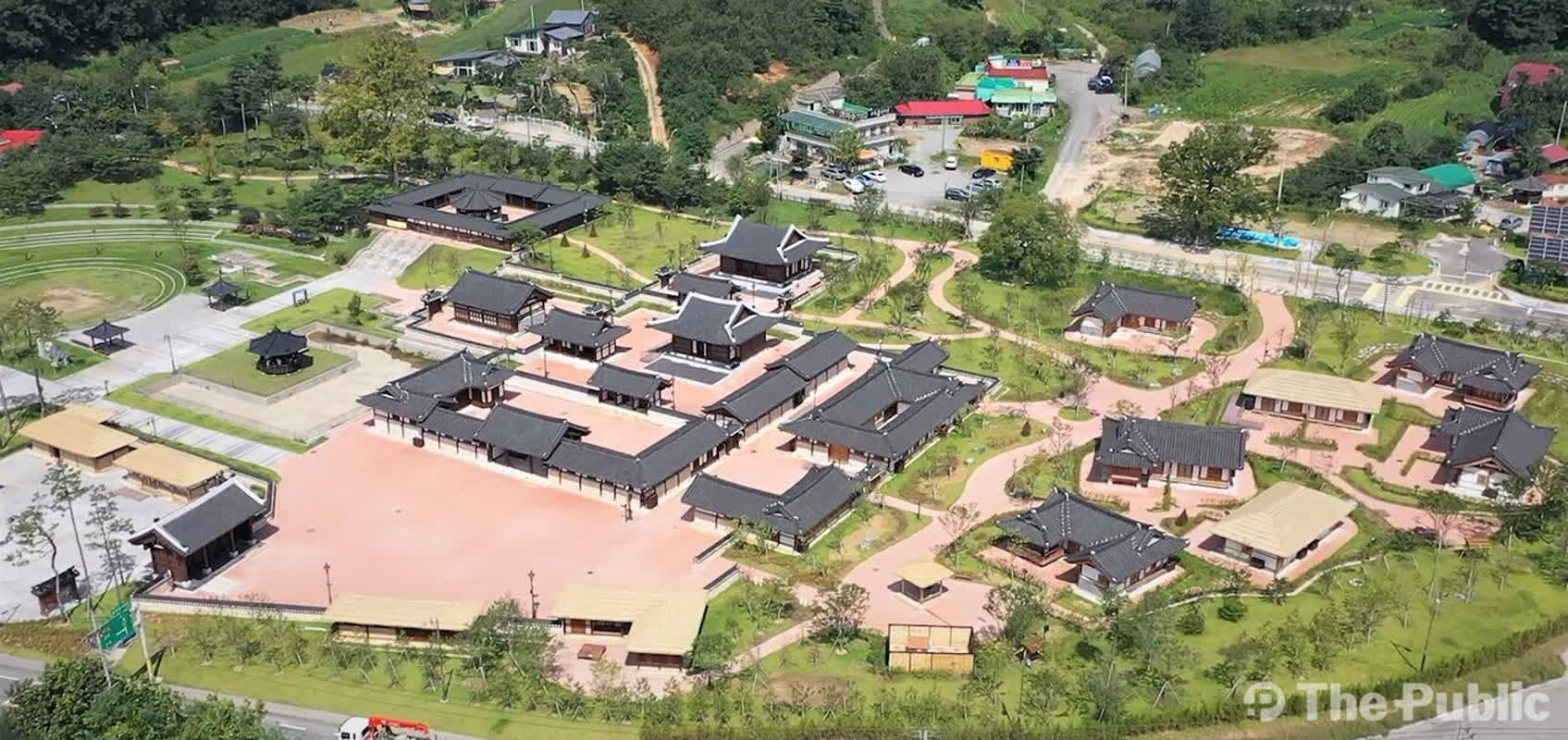
My first stop in Daegu was Sayuwon, an arboretum framed by Mt. Palgong to the north and Changpyeong Reservoir to the south. The grounds span roughly 230,000 pyeong (about 188 acres), with walking trails that stretch about 6.4 km (4 miles). The arboretum began when Yoo Jae-seong, former chairman of TC Taechang, bought 300-year-old quince trees that had been exported to Japan; it has since grown into a roughly 100,000-pyeong (82-acre) botanical haven.
But size alone doesn’t explain why Sayuwon has become a cultural landmark. The gardens are dotted with striking architecture — the real showstoppers. Pritzker Prize-winning Portuguese architect Álvaro Siza and prominent Korean architect Seung Hyo-sang, among others, have left signature works here. It’s rare to find a place that feels both like a garden and an architecture museum.
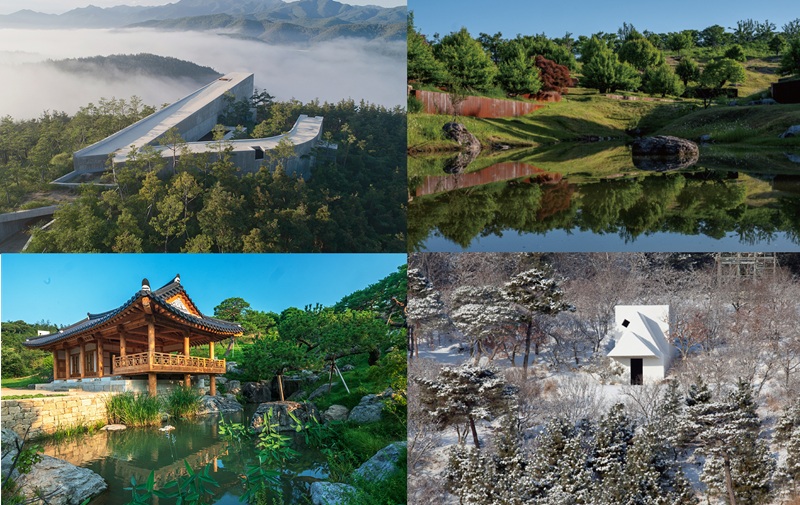
As you wander the expansive grounds, the art pieces enrich the experience and calm the spirit. The standout is Álvaro Siza’s Soyoheon (逍遙軒). Yoo originally built Soyoheon to showcase Picasso’s Guernica; though that specific plan never came to fruition, the structure itself reads as a complete work of art. Visitors say it expresses life and death through a subtle play of shadow and light. Architecture enthusiasts travel to Daegu just to see it. Visitor numbers have climbed steadily from about 2,300 in 2021 (its opening year) to roughly 29,000 in 2022, 34,000 in 2023 and 44,000 in 2024.
After soaking in nature and architecture at Sayuwon, I headed to the Kansong Museum of Art, another Korea Tourism Star. The museum displays the collection of Kansong Jeon Hyeong-pil, who preserved Korean cultural heritage during the Japanese colonial era. You’ll find iconic works like Shin Yun-bok’s Mihindo and Jang Seung-up’s Three Men on New Year’s Day, along with calligraphy by the famed Chusa Kim Jeong-hui — pieces that even casual visitors will recognize and enjoy.
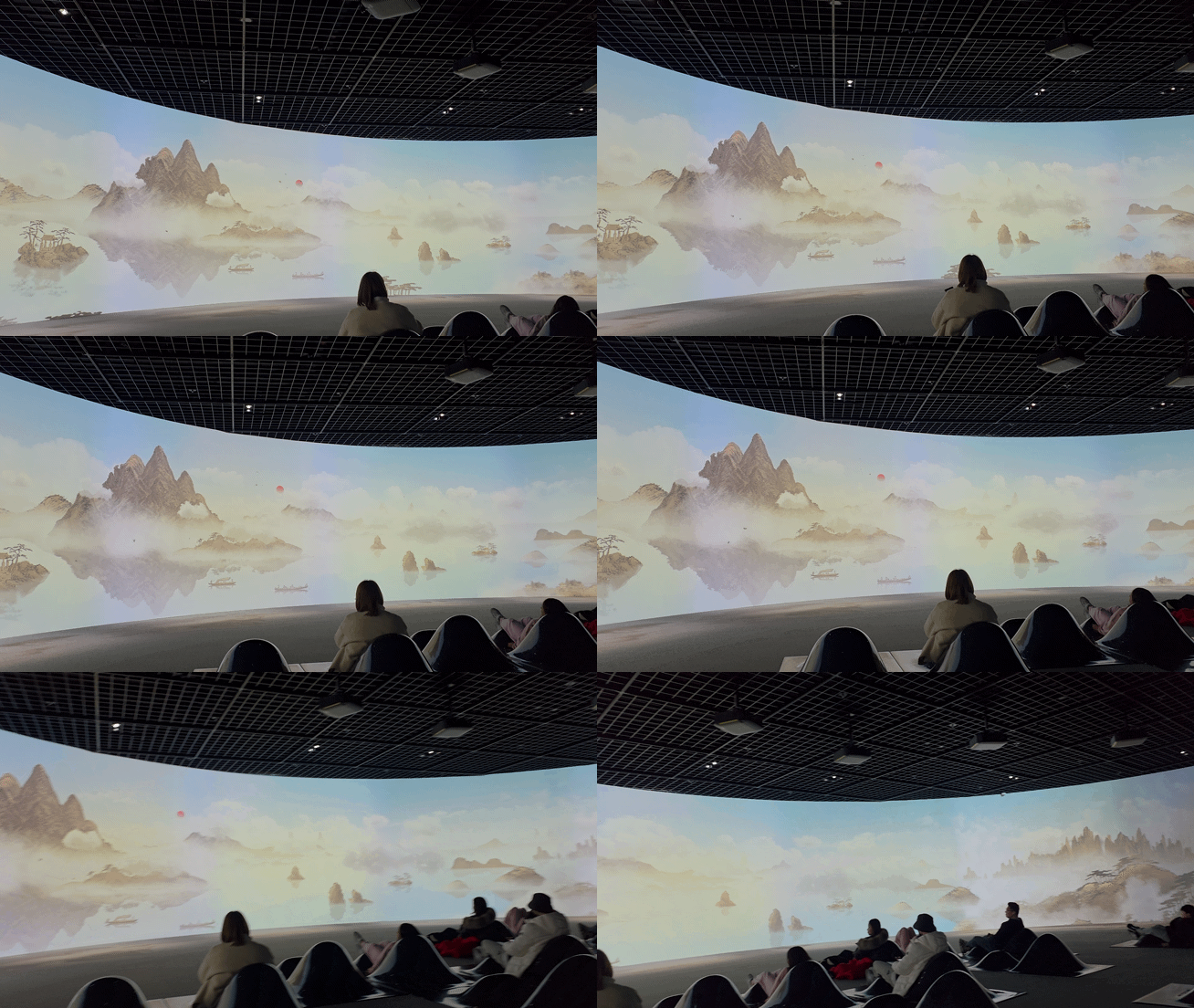
What stands out is how the museum blends digital art to make the collections more approachable for kids and first-time museumgoers. In Gallery 3, the Shin Yun-bok “Mihindo x DGIST AI” exhibit uses AI to reinterpret Mihindo in the styles of Western masters like Van Gogh, Renoir and Egon Schiele. Nearby, you can see how Shin Yun-bok might reimagine those Western masterpieces in his own Hyewon style.
In Gallery 2, which houses Jang Seung-up’s original Three Men on New Year’s Day, interactive displays reveal the pigments he used and the symbolic meanings behind different sections of the painting. The museum isn’t huge, but its tight, well-curated exhibitions make for a satisfying, in-depth visit.
Checking out Daegu’s must-see spots
After feeding the mind at Sayuwon and the Kansong Museum, it felt right to feed the body. I checked in at Inter-Burgo Daegu, the city’s first five-star hotel. With about 320 rooms, a hot-spring-fed sauna and a kids’ pool, it’s an ideal spot to unwind after a day of sightseeing.
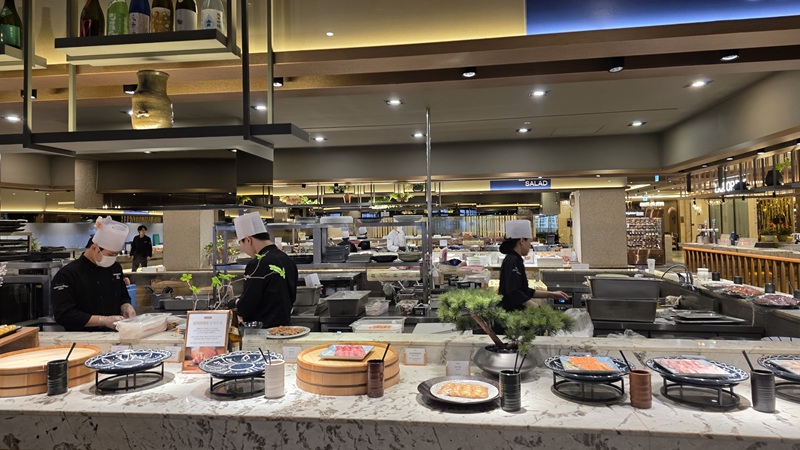
The hotel’s biggest draw is the food. Beyond local favorites like beloved bakeries and the Seoul-based Simbidium restaurants, the hotel buffet — The Buffet at Inter-Burgo — truly impresses. On weekends it draws more than 2,000 guests a day and serves dishes that rival the buffets at top Seoul hotels, all for under 100,000 KRW per person (approximately 75 USD).
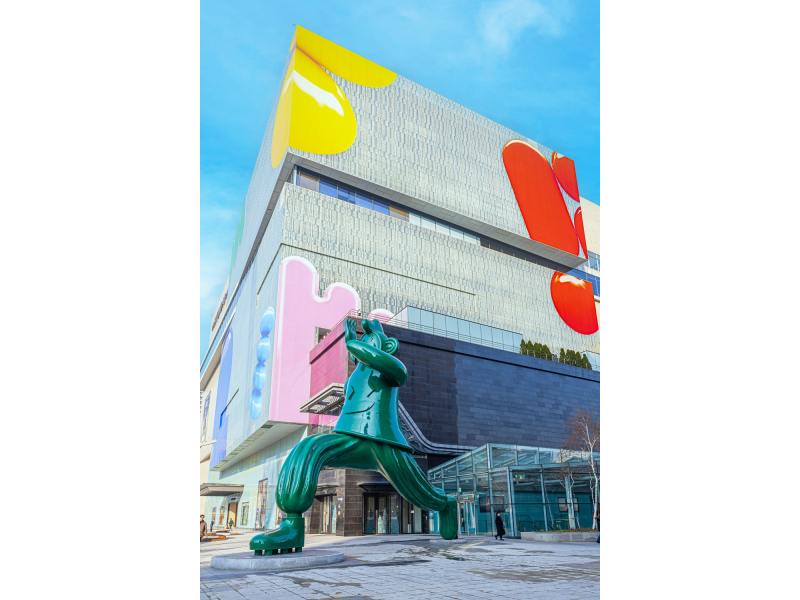
After an overnight stay at Inter-Burgo, I made my final stop at The Hyundai Daegu on Dalgubeol-daero — a magnet for people in their 20s and 30s. Since it relaunched as The Hyundai Daegu in late 2022, it has become the top-performing Hyundai Department Store branch outside the Seoul area and a major local hotspot.
The store leans into pop-ups, filling floors from basement level 2 through the 8th floor with curated pop-up concepts, which makes it feel fresher than a typical department store. Basement 1 houses Tasty Daegu, a collection of well-known local and Seoul-based eateries, and the 9th floor features The Forum and Gates Garden, designed by Spanish designer Jaime Hayón. Even if you only see The Forum and Gates Garden, you’ll feel the trip was worth it.
Guests who buy the collaboration package can enjoy a drink at The Hyundai Daegu’s in-house café Walking Cup, plus perks like free parking and a reusable tote — conveniences that make it easier to explore nearby shopping streets like Dongseong-ro. The suggested itinerary — nature at Sayuwon, art at the Kansong Museum, a stay at Inter-Burgo and a visit to The Hyundai Daegu — offers a compact way to experience Daegu’s present-day vibe.
Before this trip, my mental image of Daegu was pretty simple: makchang (grilled pork intestines), the Samsung Lions, the heat, and the Chimaek (chicken-and-beer) festival I’d attended last year. This visit broadened that view. Daegu has compelling content for art lovers, nature seekers and anyone wanting a healing escape.
One downside: visitors coming from outside the city still face limited transport options to reach these attractions. Right now, getting to Sayuwon, the Kansong Museum, The Hyundai Daegu and Inter-Burgo generally requires a car or taxi, and the sites are fairly spread out. If the city offered shuttle services linking these spots, it would make the package much more accessible and help boost regional tourism.