A privately led project aims to boost tourism and raise the city's profile
Palgongsan garden Sayuwon offers a contemplative space shaped by nature and architecture
Inter-Burgo, set on the Geumho River, is Daegu’s first five‑star hotel — a destination for fine dining and relaxation
If you need to unplug and recharge, picture this: a forest walk along Palgongsan in Gunwi, an evening soaking in river views at a plush hotel, then a day wandering a vibrant downtown cultural hub. Once seen as a city best for day trips, Daegu is rebranding itself with a new overnight model that blends nature, boutique stays and culture.
For years, Daegu’s reputation hinged on industry, textiles and its lively chicken‑and‑beer festivals. This new initiative threads together a garden set deep in nature, a hotel focused on relaxation and gastronomy, and a mix of traditional art and pop‑up retail into a single itinerary — intentionally extending how long visitors stay. By linking scattered attractions, the program deepens the city experience.
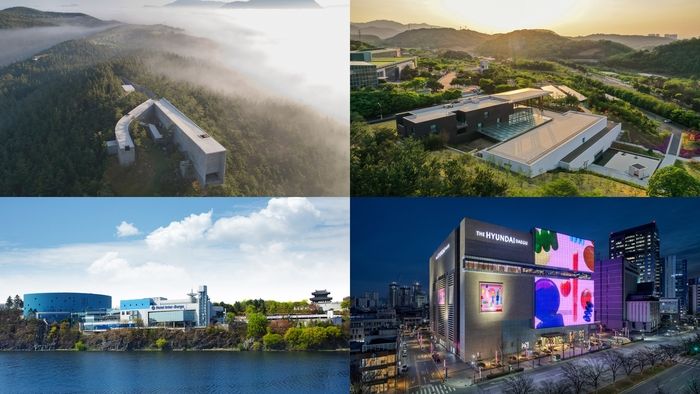
The spark for this idea came from Sayuwon, a private garden in Gunwi. From this month through June, Sayuwon is offering a premium package called “Art & Healing Stay” in collaboration with Hotel Inter‑Burgo Daegu, the Daegu Gansong Museum and The Hyundai Daegu. Marketed as a chance for “time to meet your whole self,” the overnight package centers on restorative rest and cultural encounters.
What’s notable is that this wasn’t a municipal initiative but a privately led collaboration. With limited city tourism funds, local attractions pooled resources to attract visitors and raise Daegu’s profile. As an experiment driven by private partners, it marks an exciting new chapter for regional tourism.
I experienced the route myself on March 7–8. The itinerary flows from nature (Sayuwon) to lodging (Hotel Inter‑Burgo Daegu), then to traditional art (Daegu Gansong Museum) and finally to a content space (The Hyundai Daegu). Threading different types of places into one journey gives visitors a fuller, more layered sense of the city.
◇ “A garden of overlapping nature, architecture and reflection” — Sayuwon, a space shaped by time and nature
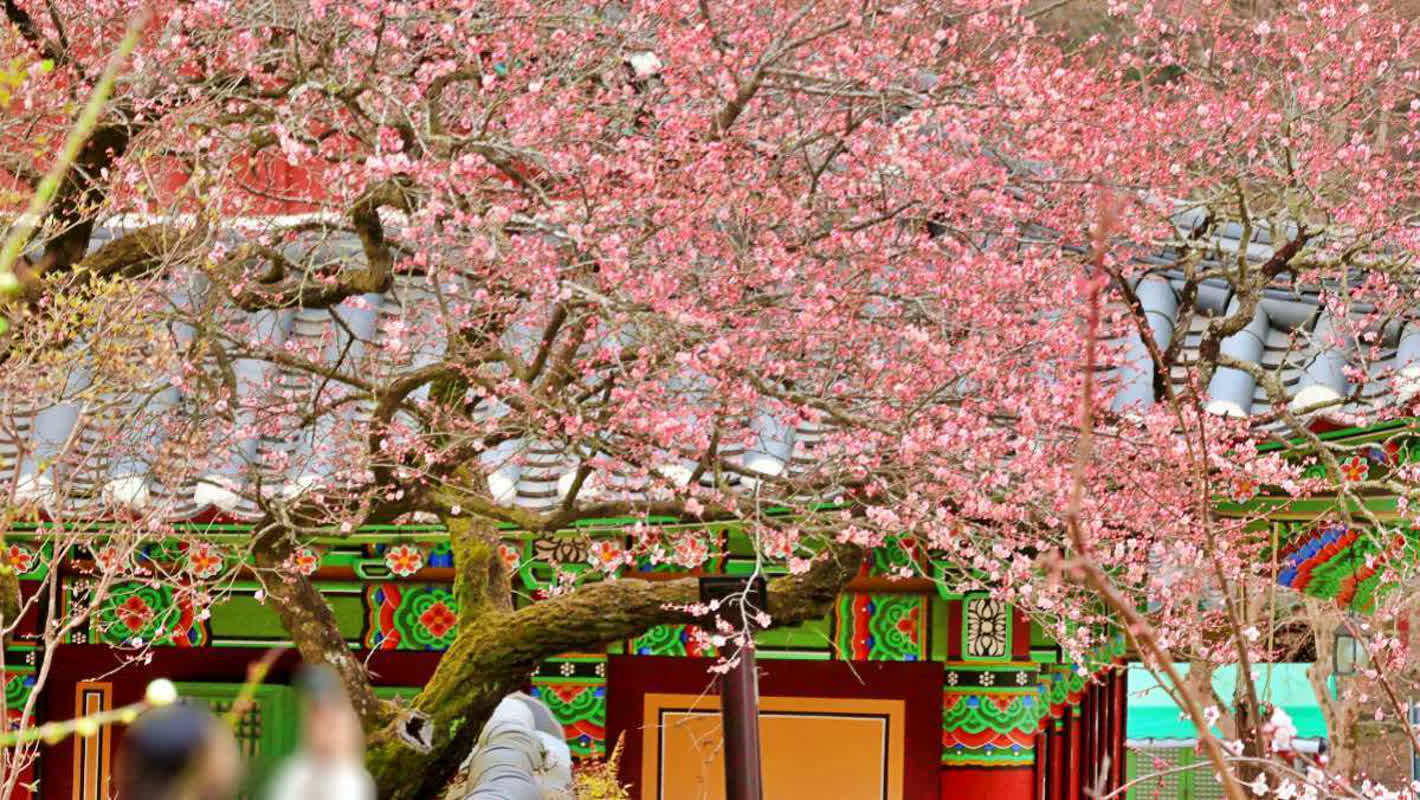
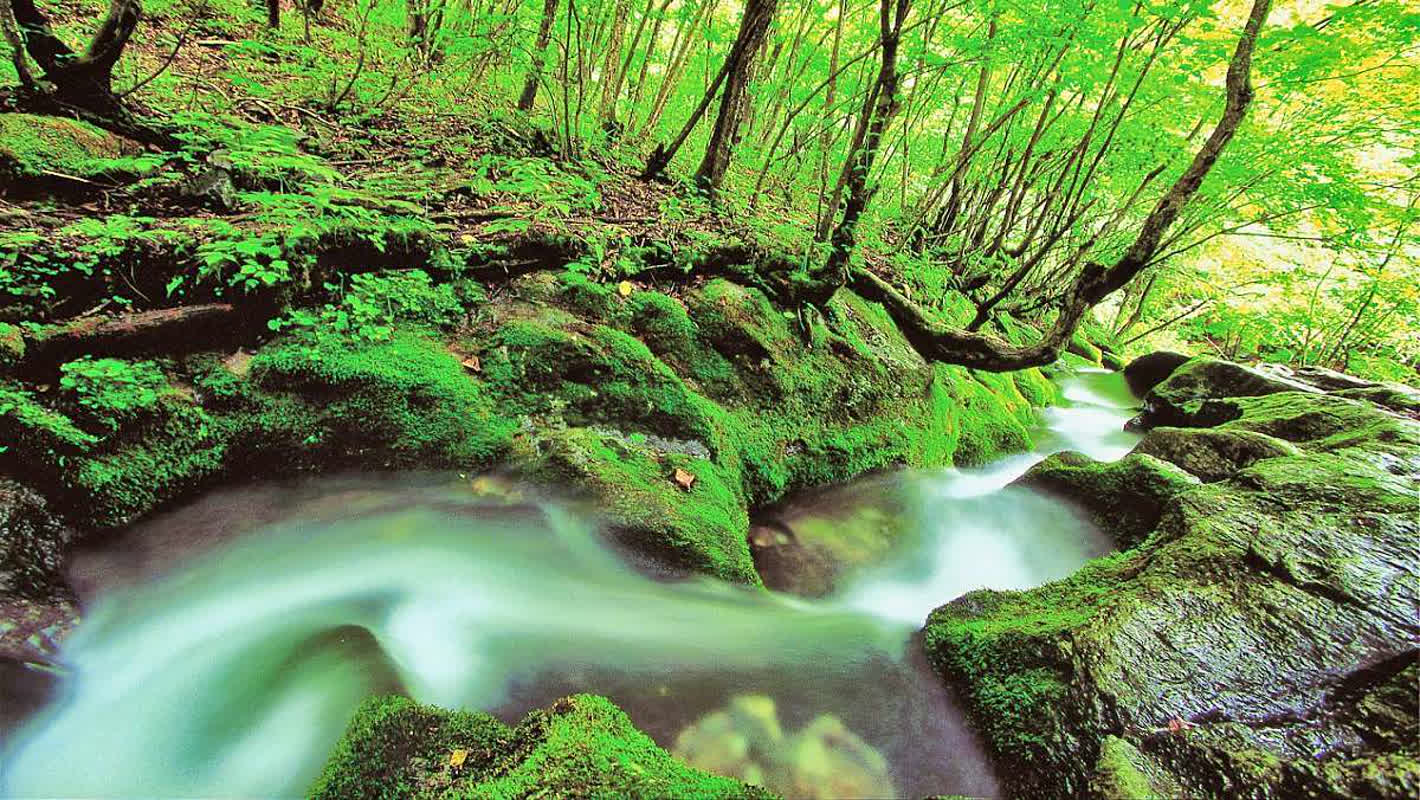
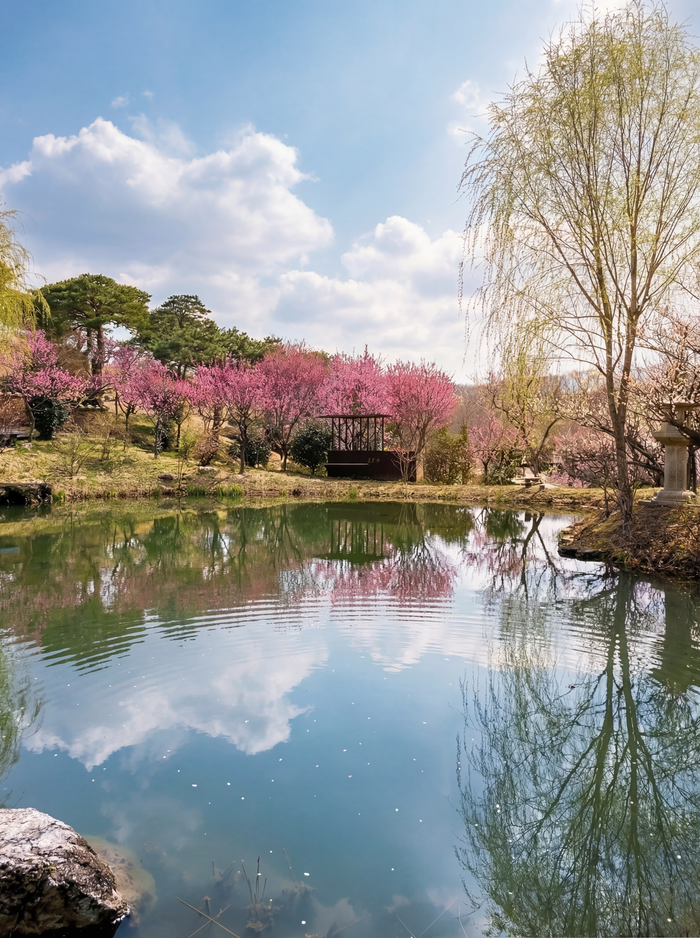
The garden on Palgongsan’s slopes felt hushed as the plum trees just began to bloom. Seasonal breezes moved between centuries‑old small birches and pines, crape myrtles and quince trees, and with every step the forest revealed a slightly different face.
The air — the kind you rarely find in Seoul — filled my lungs. Sayuwon felt less like a constructed garden and more like a place shaped by nature and time. Bold architectural forms set amid rough concrete and red steel scrubbed away familiar assumptions about “Daegu travel.”
Sayuwon is the route’s starting point. It gained public attention after appearing as a chaebol hunting estate in the 2024 tvN drama “Queen of Tears,” and has kept drawing notice with cheeky labels like “the world’s most expensive garden admission.”
Sayuwon was also named a promising destination in the Ministry of Culture, Sports and Tourism and Korea Tourism Organization’s “2025 Korea Tourism Stars” program — a nod that followed public and expert nominations and recognizes places that contribute to tourism growth.
Founder Yoo Jae‑sung, chairman of TC Taechang (Taechang Steel), began the project in 1989 after learning a 300‑year‑old quince tree was being smuggled to Japan. He rushed to Busan Port, paid four times the asking price to stop the shipment and saved four trees.
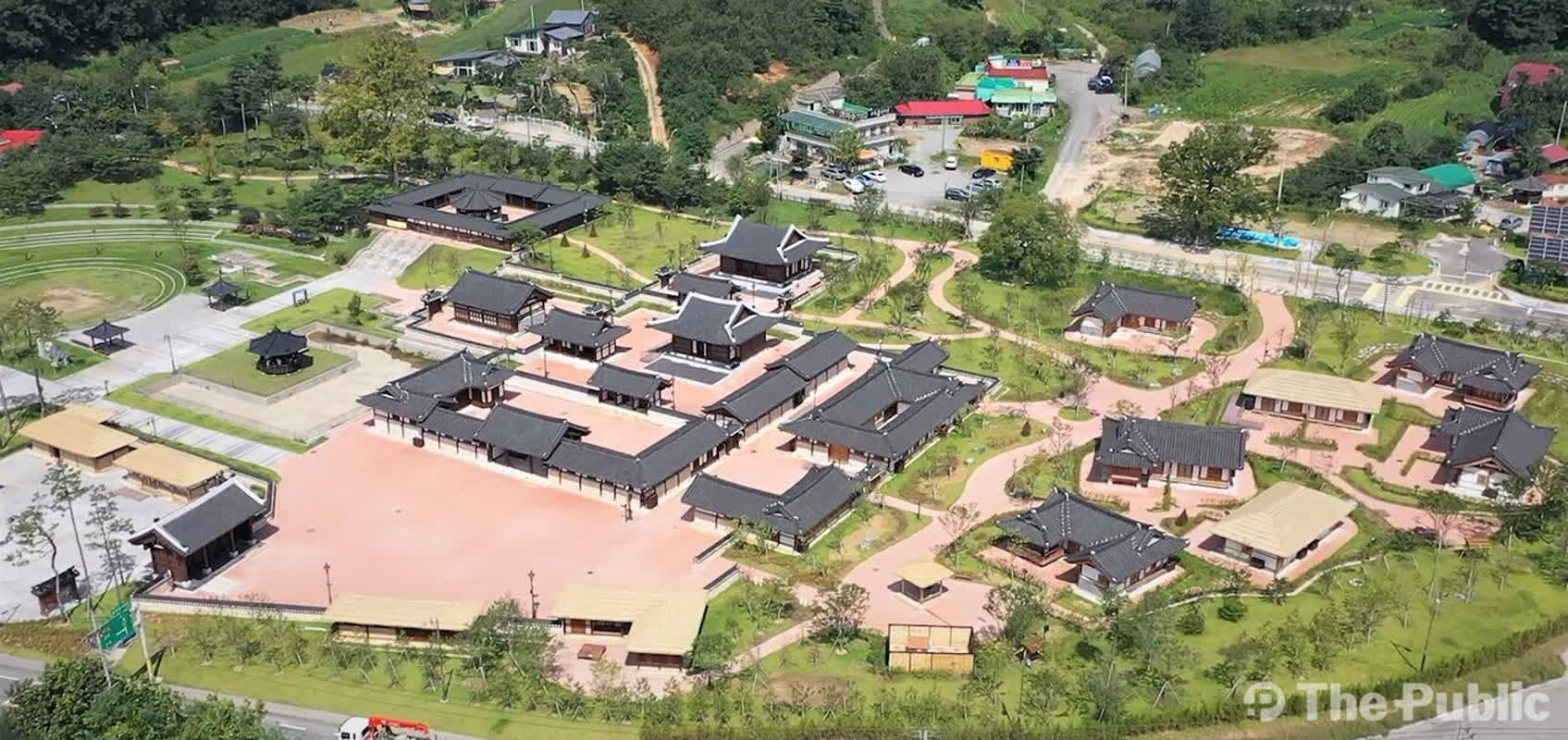
Seeking a home for those trees, he acquired land on Palgongsan in 2006. Although he didn’t initially plan to open the estate to the public, performances during construction persuaded him otherwise. Over time, nine gardens were created across roughly 760,000 m² (about 230,000 pyeong / 188 acres), and Sayuwon opened to the public in 2021.
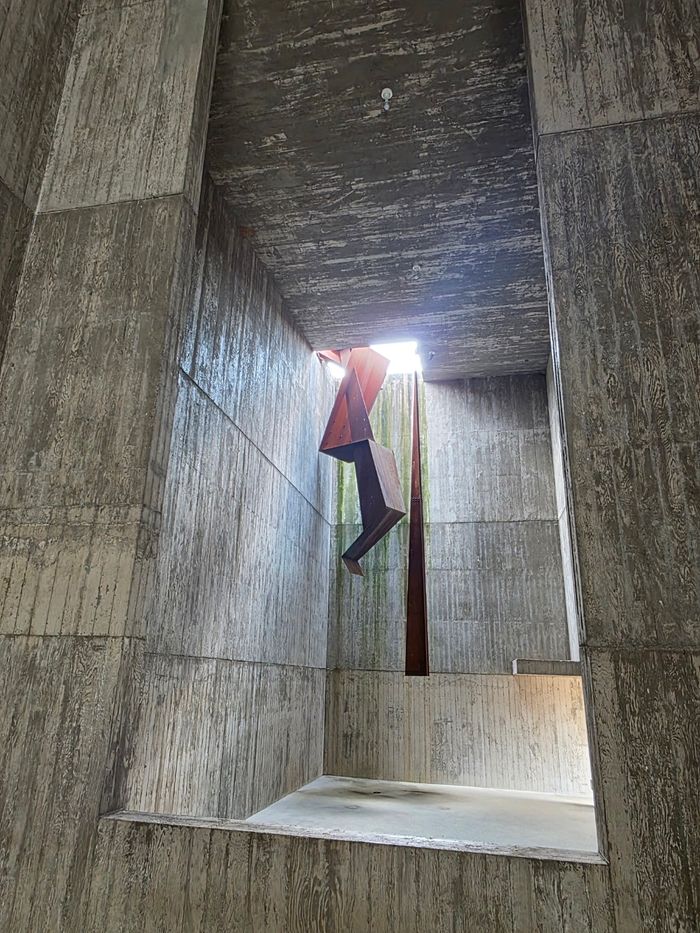
When I visited just after noon on the 7th, Sayuwon felt like a polished collaboration between architecture and landscape. Portuguese master Álvaro Siza and Korean architects Seung Hyo‑sang, Choi Wook and Park Chang‑ryeol each contributed distinct buildings, while landscape architects Jung Young‑sun and Park Seung‑jin shaped the natural flow.
Sayuwon’s trails range from one‑ to four‑hour routes — the Magnolia Trail, Crape Myrtle Trail, Quince Trail and Old Pine Trail. Even repeat visitors can lose their way: the branching paths make each walk feel fresh. With limited time, I focused on the site’s highlights.
The most striking spot after lunch was Soyoheon, a space designed to meditate on the cycle of life and death. Álvaro Siza’s architectural work carries symbolic meanings tied to war and peace.
Siza had originally envisioned exhibiting Picasso pieces in Madrid’s Oeste Park, but during Sayuwon’s development Chairman Yoo suggested using this site — a fierce battleground along the Nakdong River defense line in the Korean War. Siza shifted direction.
Instead of Picasso’s works, Siza installed his own sculptural pieces and completed Soyoheon as a space to hold memories of war and to contemplate peace. The site’s wartime history gives the structure added weight, inviting reflection on life, death and reconciliation.
Walk a little farther and you’ll find Sodae, another arresting structure. Built at Siza’s request to overlook Soyoheon, Sodae is an inclined concrete tower about 20.5 m high. Its irregular geometry creates a palpable architectural mystery as you move through it.
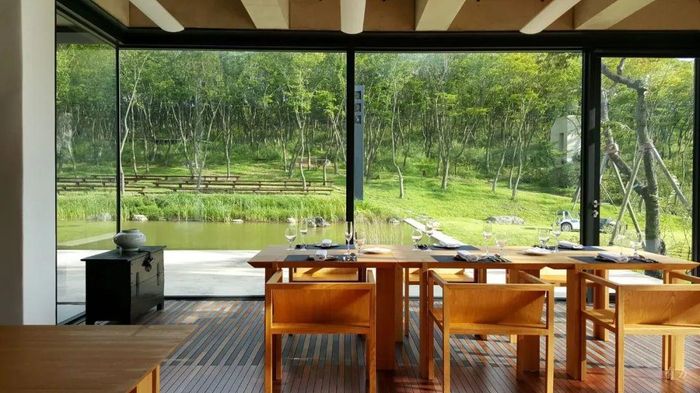
After the walk, stop at the hilltop café Gagabibin for quince tea or coffee with a direct view of Palgongsan’s Birobong peak. The café’s simple, airy interior and bakery selection make it the perfect spot to unwind.
Sayuwon is also hosting a plum blossom festival this month. The festival highlights four types of plum blossoms that bloom at different times, painting changing scenes across the garden — a gentle way to welcome spring.
If you’d like to dine on the grounds, try Sadam Dining, the estate’s signature Italian restaurant. Chef Kim Jun‑hyung, who worked at Banyan Tree Seoul and W Seoul, joined as executive chef and now serves lunch (two seatings) and dinner. Reserve ahead for a standout meal.
Beyond Western cuisine, Sayuwon offers five dining venues — Mongmongmabang (Korean), Gagabibin (café), Mongmongchabang (café & gallery goods shop) and Hyeonam Tea Lounge — all designed to create what the estate calls “a uniquely Korean culinary journey,” linking walks and meals into one cohesive experience.
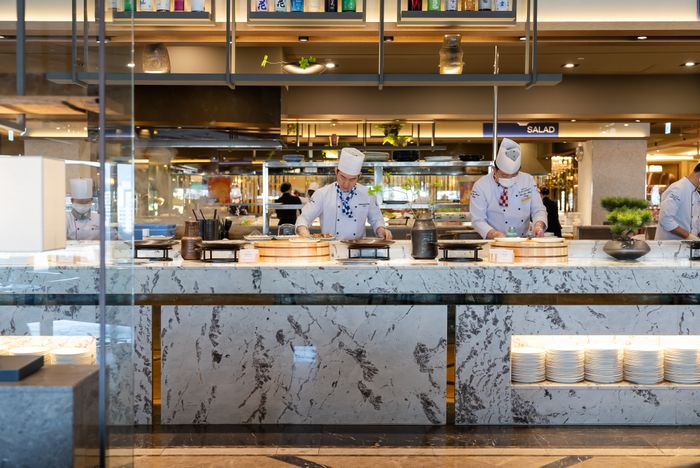
◇ The pinnacle of high‑end rest — Inter‑Burgo’s “The Buffet” delivers
No matter how alluring a destination is, a trip falls short without a comfortable bed and a memorable meal. Lodging and dining shape the trip’s satisfaction — which is why travelers sweat the details of hotels and restaurants.
After visiting Sayuwon on the afternoon of the 7th, I drove to Suseong‑gu and checked into Inter‑Burgo Daegu, Daegu’s first five‑star hotel. As we drove along the Geumho River, the air shifted — floor‑to‑ceiling windows frame the river and the green space of Mangu Park, giving the hotel the feel of an urban oasis.
The symbolic spot here is the main building’s first‑floor pool. An infinity pool sits beside a hot‑spring pool and a kids’ pool, so the place suits families and solo travelers alike. The hotel uses hot spring water year‑round; soaking in the steaming pool eased the fatigue from travel.
The thermal water is drawn from over 1,200 m underground and is rich in minerals and sulfate ions. It feels soft on the skin and retains warmth well. Use the sauna the night before or pop in for a soak before breakfast — either way, it’s a restorative stop.
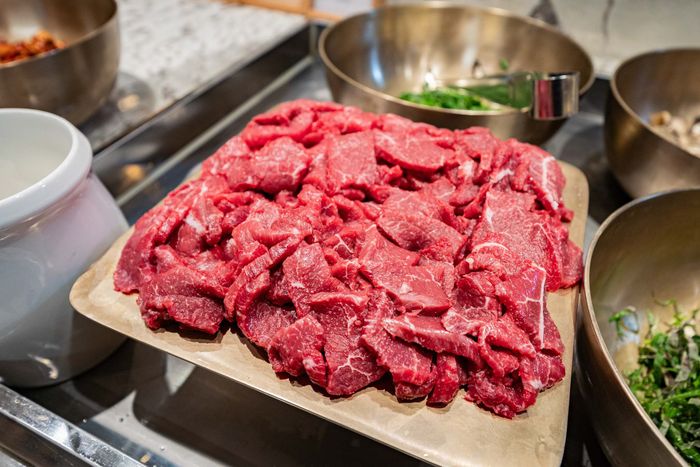
The hotel’s showpiece is “The Buffet at Inter‑Burgo.” If you’re in Daegu, you might not need to hunt for another restaurant — the buffet’s breadth is impressive. Standouts include lamb racks and freshwater eel, and the region’s famed raw beef dish muntigi is served without limit.
The kitchen follows a same‑day sourcing and use policy. Even the muntigi is prepared from fresh, same‑day Korean beef and is discontinued once the day’s portion sells out. With generous offerings of meat and seafood, the buffet rivals top hotels in Seoul.
Centered on live stations, the buffet keeps dishes fresh and perfectly seasoned. The menu lists roughly 325 items, and guests enjoy unlimited wine, beer and highballs, with nonalcoholic options available, too.
Weekend dinner runs just under 100,000 KRW per person (about $75). Given the sheer variety — so much that you can’t sample everything in one visit — the price feels like a steal. Weekend demand is high enough that the restaurant operates in four seatings, and private rooms of various sizes make it ideal for gatherings.
Lee Oh‑hee, executive chef at Hotel Inter‑Burgo Daegu, said, “The Buffet at Inter‑Burgo is the largest buffet in our country. Since we opened in 2016, for 10 years we hope it remains Daegu’s top choice and a benchmarking destination that guests remember and people nationwide want to visit.”
▲ Continues from “Gansong’s tradition, The Hyundai’s content… Daegu culture route, highly recommended ② [Im Yoo‑jeong’s Check‑in Log]”
© Dailyan Co., Ltd. All rights reserved. Unauthorized reproduction or redistribution prohibited.