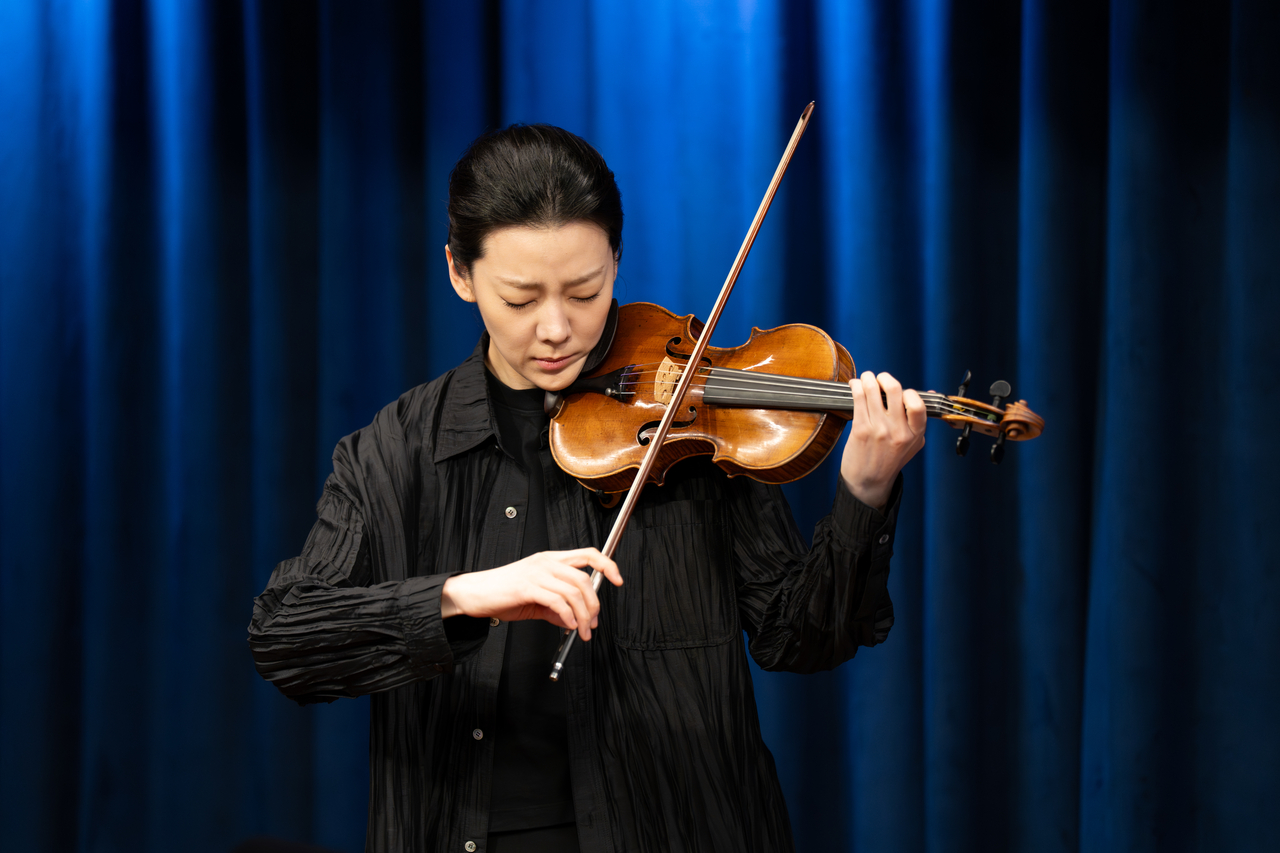
 [Herald Business = Reporter Seunghee Ko] “Lately, when I hear Seon-uk play, it gives me goosebumps. Even renowned artists like Janine Jansen have said the same. It feels like listening to an orchestra.”
Five years have passed. Clara Jumi Kang and Kim Seon-uk last appeared together on a Korean stage as a duo during their 2021 project performing Beethoven’s complete violin sonatas. “Kim Seon-uk’s music has changed a lot over the past five years,” Kang said.
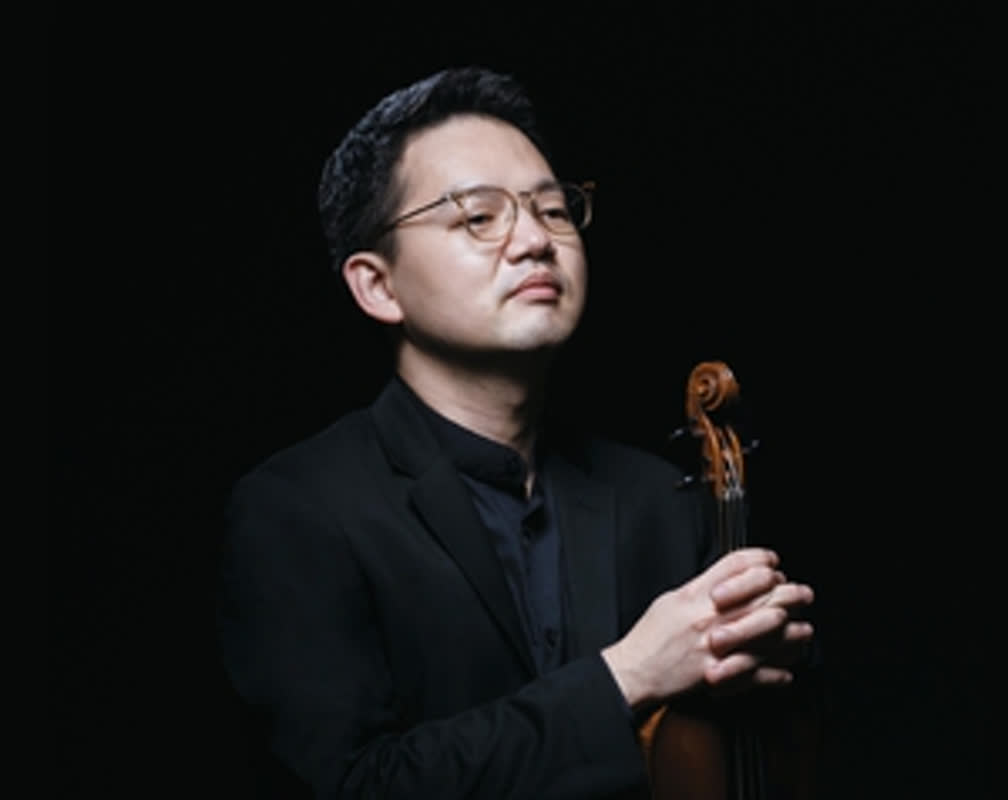
Violinist Clara Jumi Kang (39) and pianist Kim Seon-uk (38) begin a demanding 12-day, 11-city tour starting in Sejong on the 19th.
The pair first proved their deep musical rapport when they recorded a Beethoven album together in 2020, in the midst of the pandemic. Ahead of the tour, Kang told reporters, “Our chemistry was excellent back then, and we grew musically because of it. This program will have a very different character from the complete Beethoven cycle.”
Expectations for an “orchestral piano” blooming under the conductor’s hand
Back together, the duo chose a careful program for Korean audiences: four sonatas played back-to-back.
“When I play with a soloist pianist, we sometimes program four sonatas; but that’s actually uncommon for a violin recital,” Kang said. Staging works that demand dense orchestral textures and physical stamina — such as pieces by Ottorino Respighi, Mieczysław Weinberg, and Richard Strauss alongside Beethoven — is rare. “Putting four sonatas with orchestral tendencies on one program requires absolute trust in the pianist,” she said. “When we fit together so well, the performance becomes a single, coherent story.”
At the center of that shift is Kim Seon-uk. “I picked the Respighi and Strauss sonatas with Seon-uk in mind,” Kang said. “In those works the piano plays a very orchestral role. I felt his playing would suit them perfectly.”
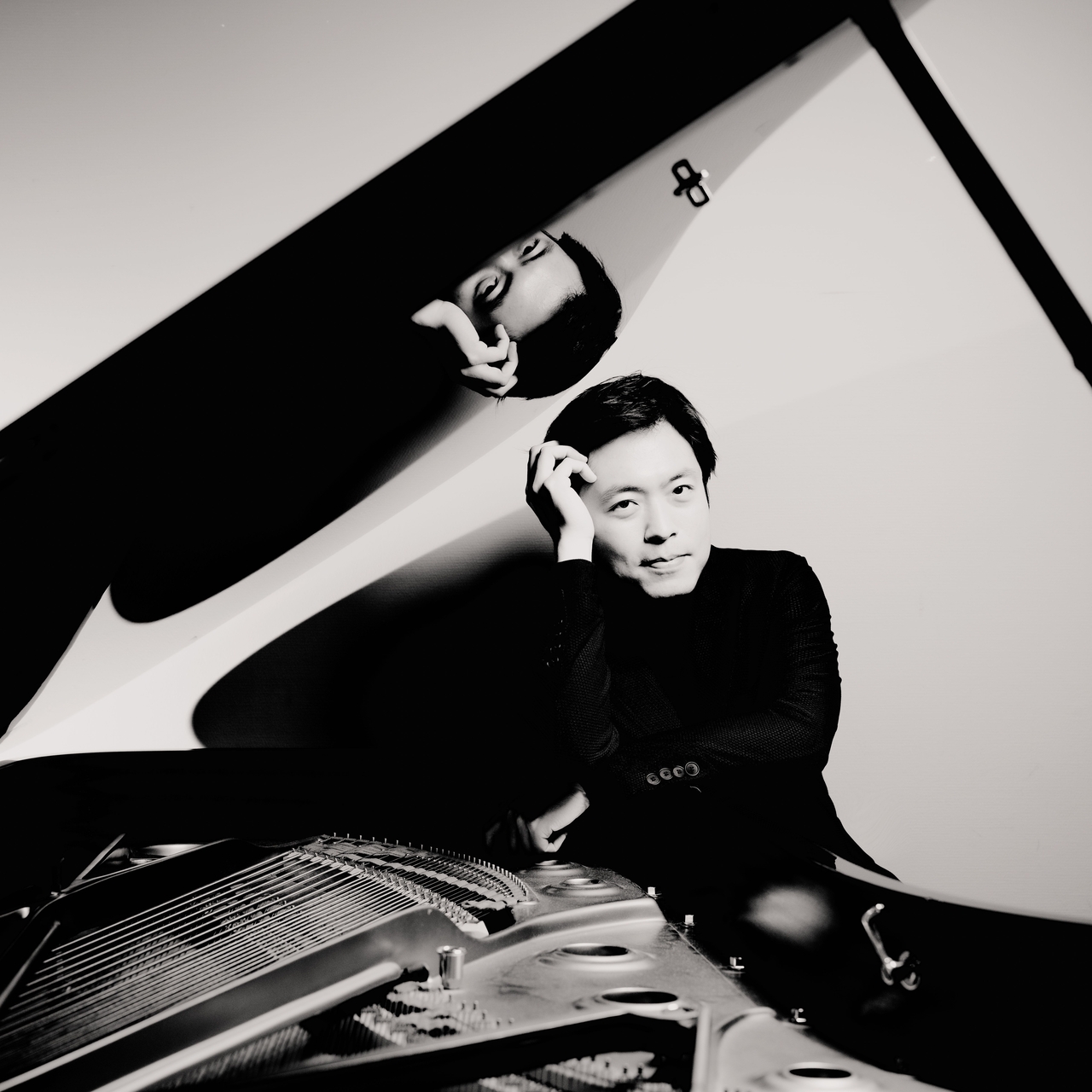
 Five years ago, Kim Seon-uk was more focused on his career as a pianist. Since 2024, he has expanded into conducting as the artistic director of the Gyeonggi Philharmonic Orchestra.
Kang noted, “When we recorded the complete Beethoven, Seon-uk wasn’t conducting much. Over the last five years he has developed tremendously as a conductor, and you can hear that in his playing. He always honored orchestral flow, but conducting has given his sound greater breadth. His harmonic approach has changed, and his musical palette has widened.”
After years as a duo and chamber-music partners, the two have grown by influencing each other. Kang called Kim “someone who thinks about music all day.” She added, “Watching him study conducting reveals a passion for music that ranks among the top five I’ve seen. Having that kind of artist nearby is a huge inspiration.”
Interestingly, they don’t rehearse together as often as you might think. For this tour, they meet only two days before the first concert. Having shared countless collaborations, recitals, and festival stages, they said, “We don’t need to plan everything; we can anticipate how the other will shape the music.”
That doesn’t mean musical disagreements never happen, but even those moments have reinforced trust.
“Works like Respighi’s are essentially driven by piano harmony and orchestral flow. If the pianist decides a particular harmonic direction doesn’t work, the violinist has limited options. Remarkably, I’ve never once felt resistant to Seon-uk’s ideas. That’s why he’s such a compatible partner,” she said.
This recital will show more than a meeting of two master soloists — it will also reveal Clara Jumi Kang’s own evolution.
Her repertoire has recently moved into darker, more modern territory. The centerpiece of the duo’s program is Mieczysław Weinberg, a Polish-born Soviet composer rarely heard in Korea.
Kang described Weinberg as “a composer whose life was tragic, who lost family in the Holocaust.” She noted that Respighi’s sonata also emerged from the tragic era of World War I–era Italy.
“I always consider the context in which a composer wrote,” she said. “But the program ends with love and hope. Closing with a heroic, affectionate sonata by the young Strauss is my way of leaving the audience with love and hope after the darkness.”
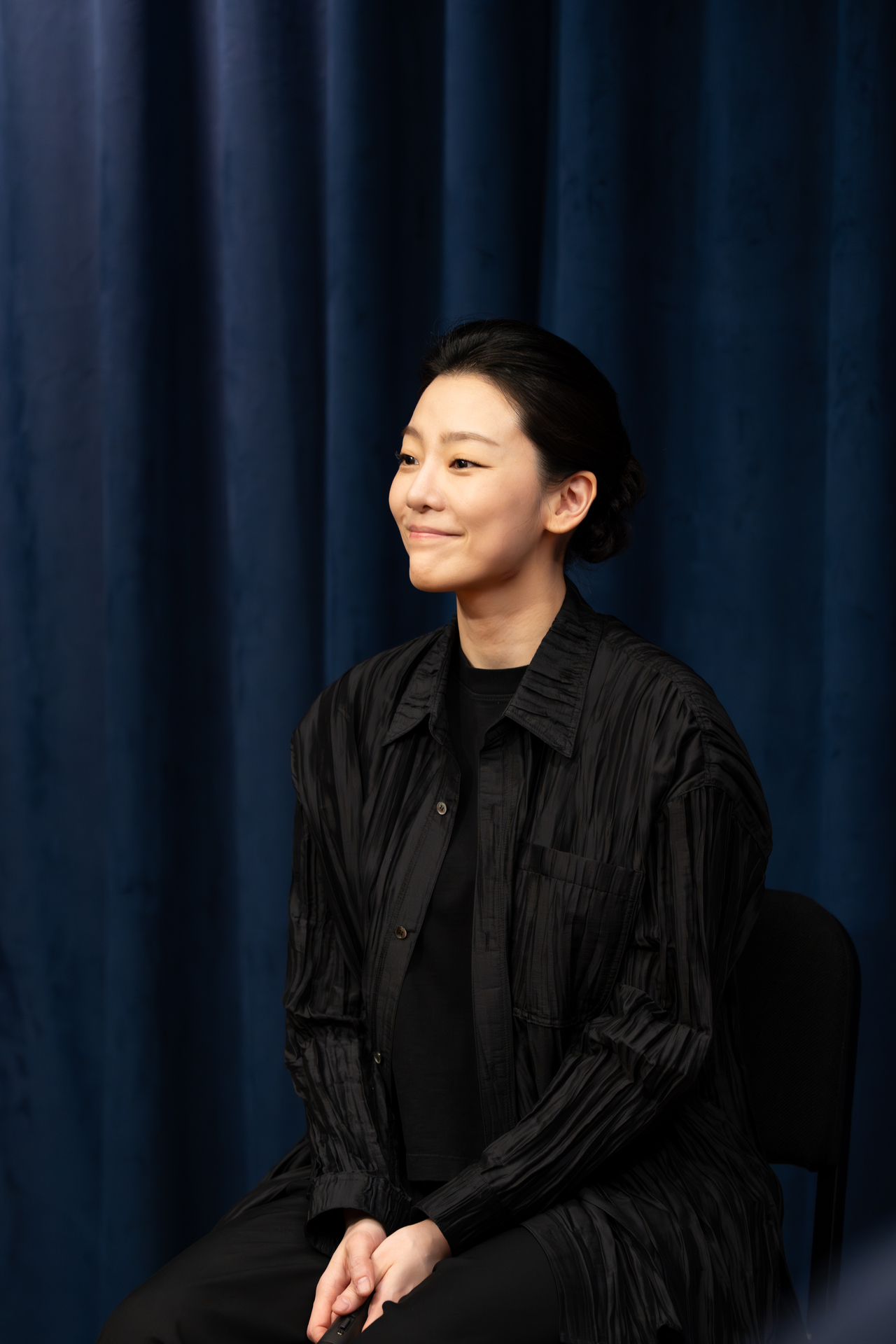
“As I get older, I’ve befriended my inner self”…Performing with Barenboim is a “dream come true”
“Competitions really weren’t the beginning for me,” she said.
Kang doesn’t fit the typical competition-star narrative. Labeled a prodigy, she treated competitions as a rite of passage on a long musical journey rather than a destination.
“Being a performer means you’re constantly judged,” she said. “Even if one concert goes well, the next day you’re back to zero. It’s essential to manage yourself so you don’t burn out.”
Kang’s stage presence has shifted over time: from fragile delicacy to a commanding charisma. Though she’s shown many colors, audiences often associated her with a delicate, feminine image.
“In fact, I used to perform in tuxedos as a child. I didn’t wear dresses until I was 17 or 18,” she said. “Femininity didn’t come naturally to me, and in my 20s and 30s there was a gap between how I saw myself and how others saw me.”
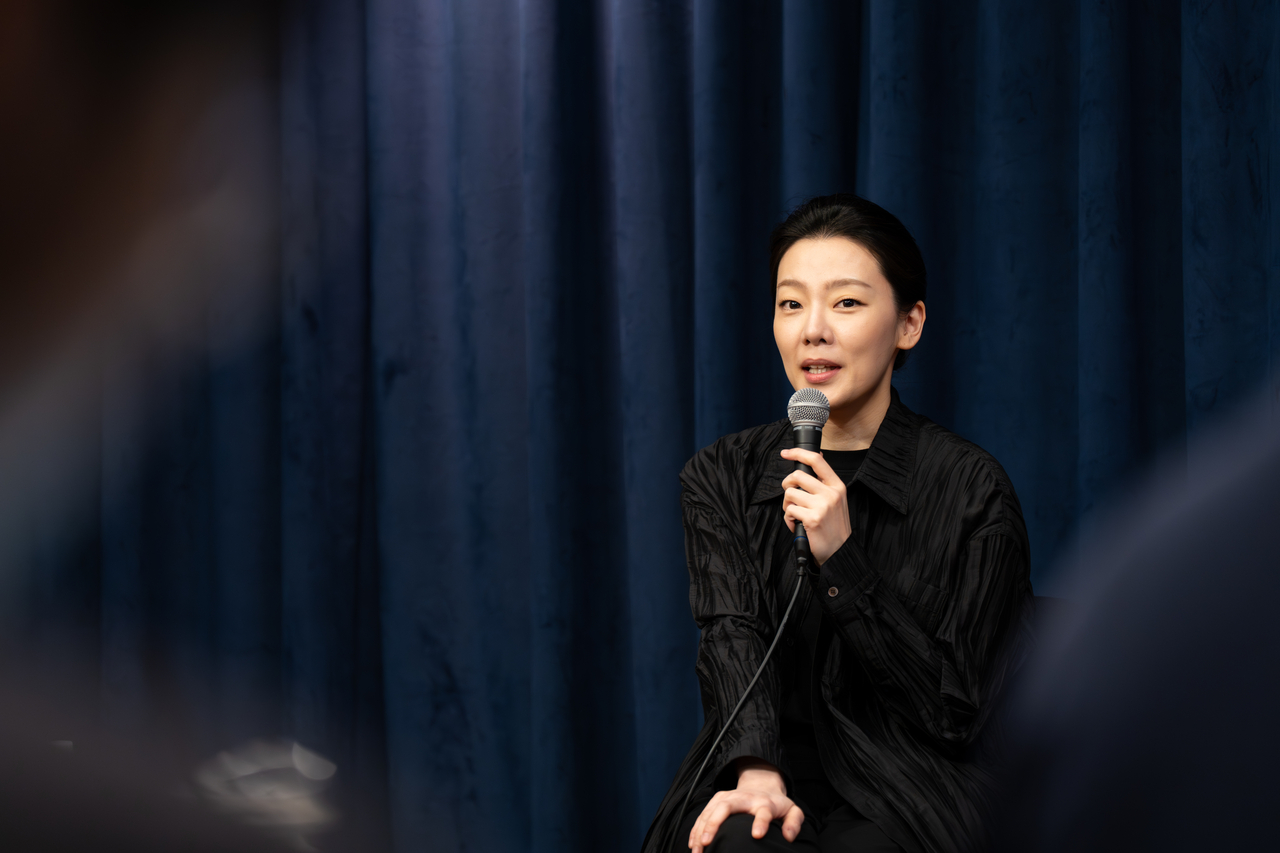 Since 2023, she has played a 1702 Stradivarius called the “Tunis,” an instrument that lets her reveal more of her inner voice. Her previous 1708 Stradivarius emphasized delicate, beautiful tones; the Tunis has a somewhat more robust, even masculine, quality. Kang says it suits 20th-century works by Britten, Shostakovich, and Weinberg.
“As I age, I’ve grown closer to my true self and I’m less afraid to show who I am,” she said. “Now I feel I can present myself more honestly than before.”
Her ambition is to keep performing healthily into her 70s. Though she feels physically strong now, she hesitates to call this period her “prime.”
“Traditionally, violinists’ careers have been shorter than those of pianists or conductors. I want to change that. I’d love for my prime to begin in my 50s — or even last for 30 years. (Laughs.) Even if I’m not at a physical peak, I want to play into my 70s without injuries.”
This summer she will fulfill a long-held dream: a collaboration with Daniel Barenboim that was canceled when she injured a finger at age 12. Now, 27 years later, the performance is scheduled for the Rheingau Festival in August. “At the time, I thought it was just a canceled childhood event, but now that it’s happening, I feel overwhelmed,” she said.
“I also did the math on the 27 years just now. Sharing the final chapters of life with masters like Barenboim, Zubin Mehta, and Charles Dutoit is a great honor. When I’m in my 60s, I think I’ll look back on these years with real nostalgia.”
The most important aspect of all translation processes is to keep the {vi[numeric value]}) type symbols intact without deleting or translating them. Please ensure this is strictly followed. Additionally, maintain the same number of {vi[numeric value]}) symbols as in the first translated result.