The U.S. military is moving past defense‑only intercept networks and forward‑deploying potent land‑launched strike capabilities to the Asia‑Pacific frontline — a shift that is rattling the military balance in Northeast Asia.
Analysts warn that if the new U.S. launch system, which completed live‑fire drills in the Philippines near China’s coast, is deployed to the Korean Peninsula, it could trigger a destabilizing arms race and a broader great‑power security dilemma — risks that go well beyond simply strengthening deterrence against North Korea.
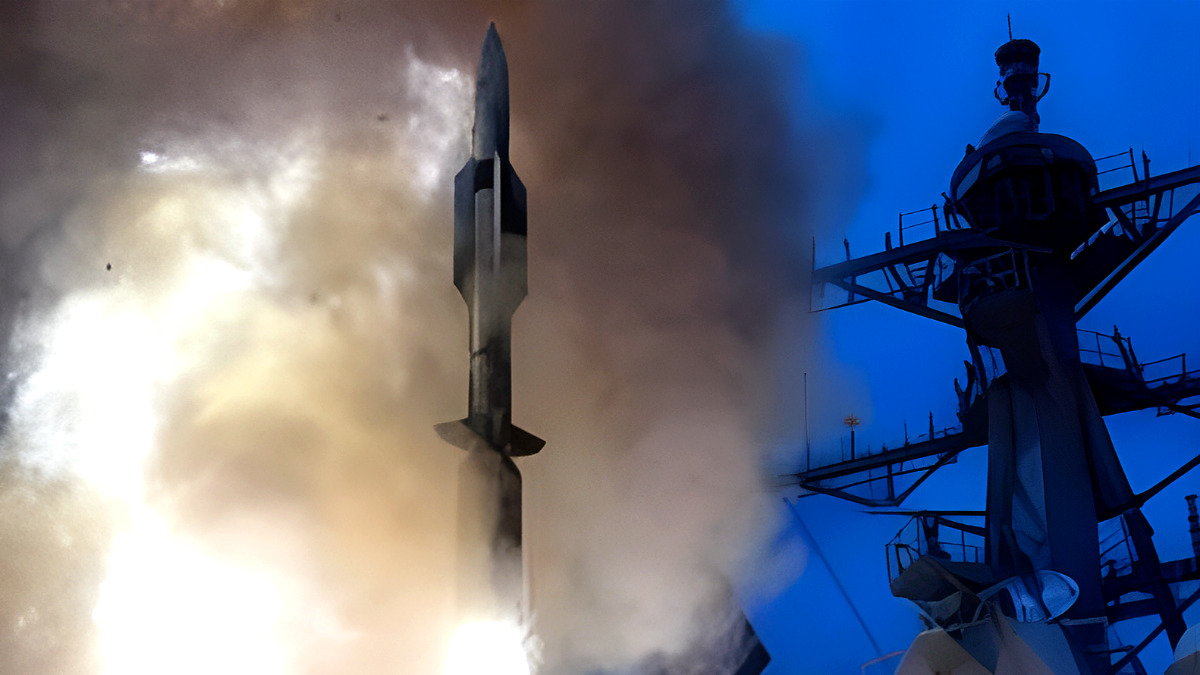
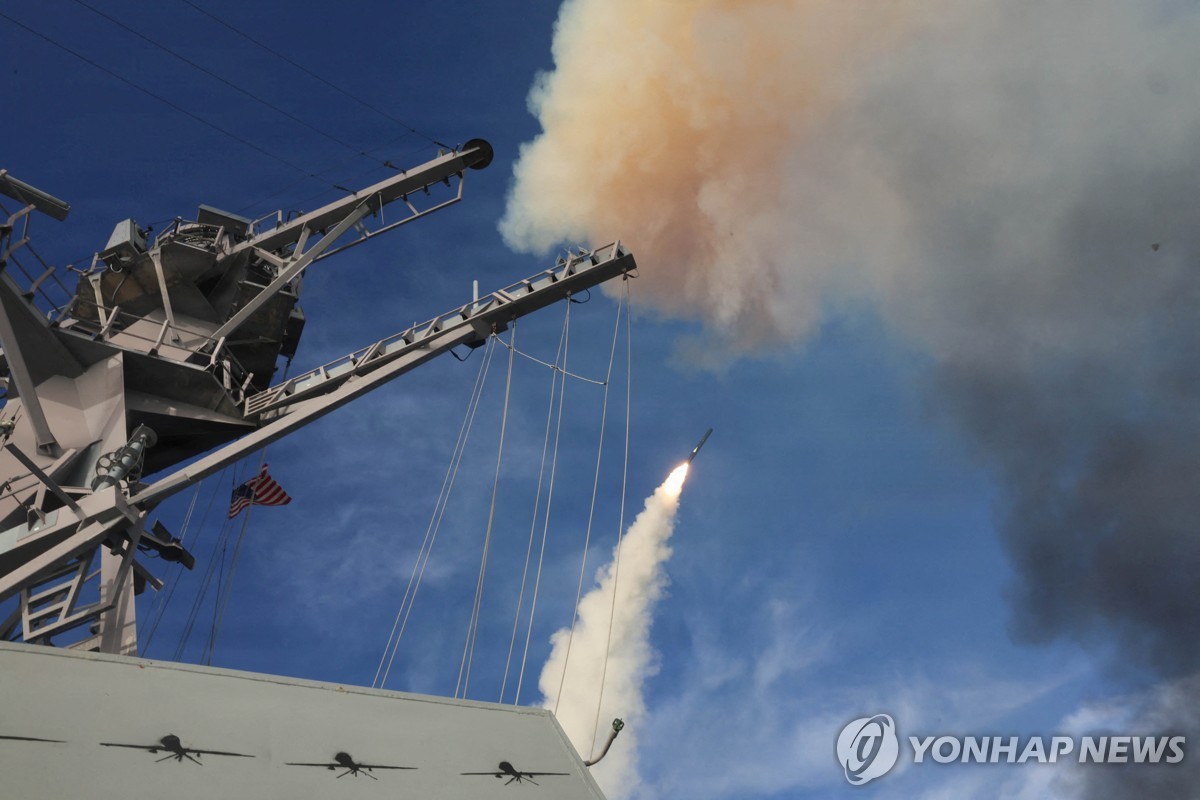
In joint exercises in the Philippines, U.S. Army crews used a medium‑range launcher called Typhon to deliver a Tomahawk cruise missile against a target roughly 600 km away — a demonstration that moved this capability from concept to operational reality.
“Fire from trucks instead of expensive warships” — a shift in concept
The Typhon converts Tomahawk cruise missiles — traditionally launched from destroyers or submerged submarines — into a land‑mobile system, enabling launches from standard trucks or containerized launchers.
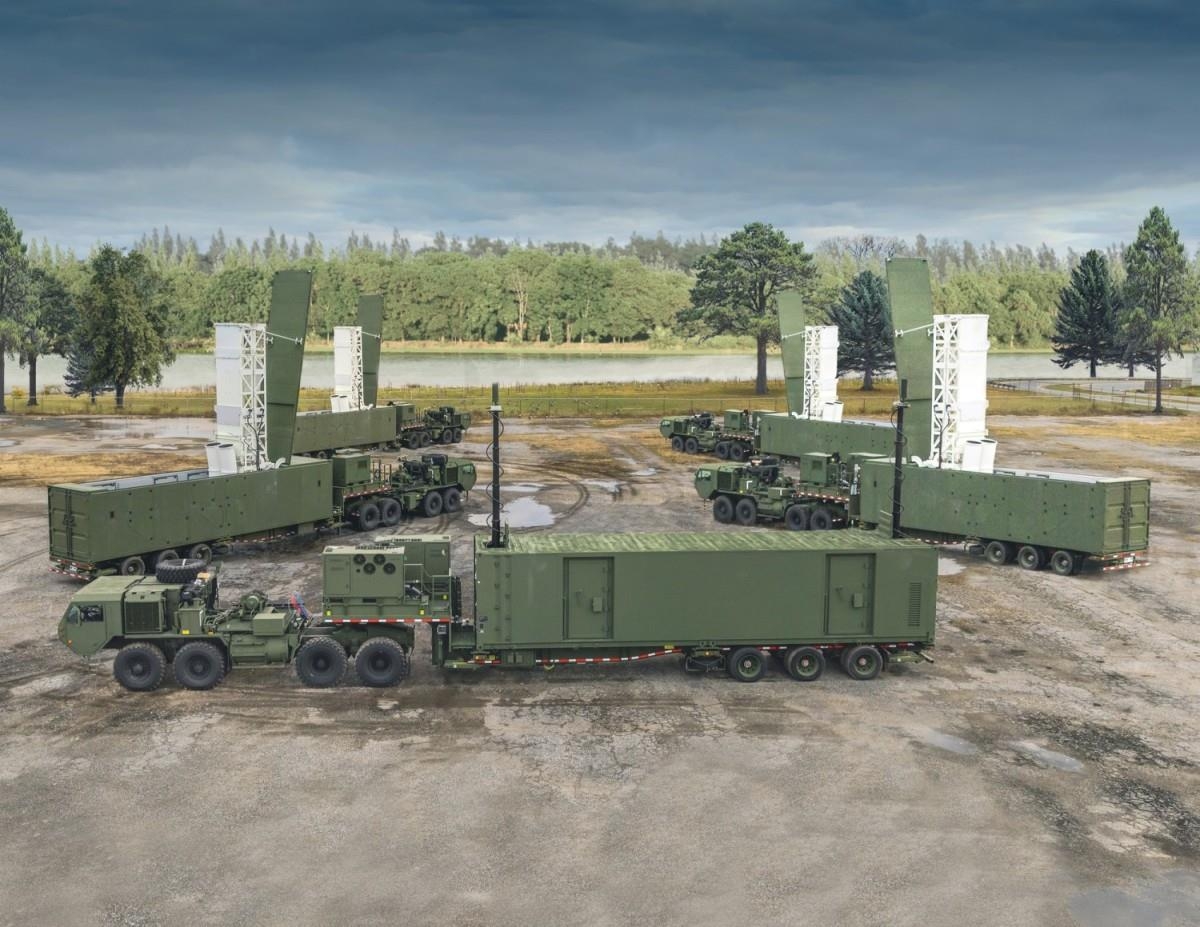
Tasks that once required several hundred billion KRW (roughly several hundred million USD) warships can now be executed by a few mobile vehicles on the road, achieving long‑range precision strikes out to roughly 1,600 km.
U.S. officials say the system’s precision is sufficient to strike a specific window at range.
Because the land launchers can be camouflaged and relocated, they are harder to detect by reconnaissance satellites and drones, enabling sudden shoot‑and‑scoot operations.
For Beijing or Pyongyang, locating a carrier strike group at sea is one challenge; hunting a single truck concealed deep inland or in forest cover that could fire without warning is a far more difficult and costly task.
What happens if the Korean Peninsula becomes a forward strike base
If this strike capability moves north from the Philippines to U.S. bases in South Korea, Seoul will face a more complex strategic calculus.
Deployed on the peninsula, Typhon launchers — using Tomahawks with roughly 1,600 km range — would put North Korea’s command centers and underground bunkers within immediate reach. They could also threaten Beijing and major naval and air facilities on the Shandong Peninsula.
That offers South Korea a clear security benefit: a credible, decisive means to deter and deny sudden North Korean aggression.
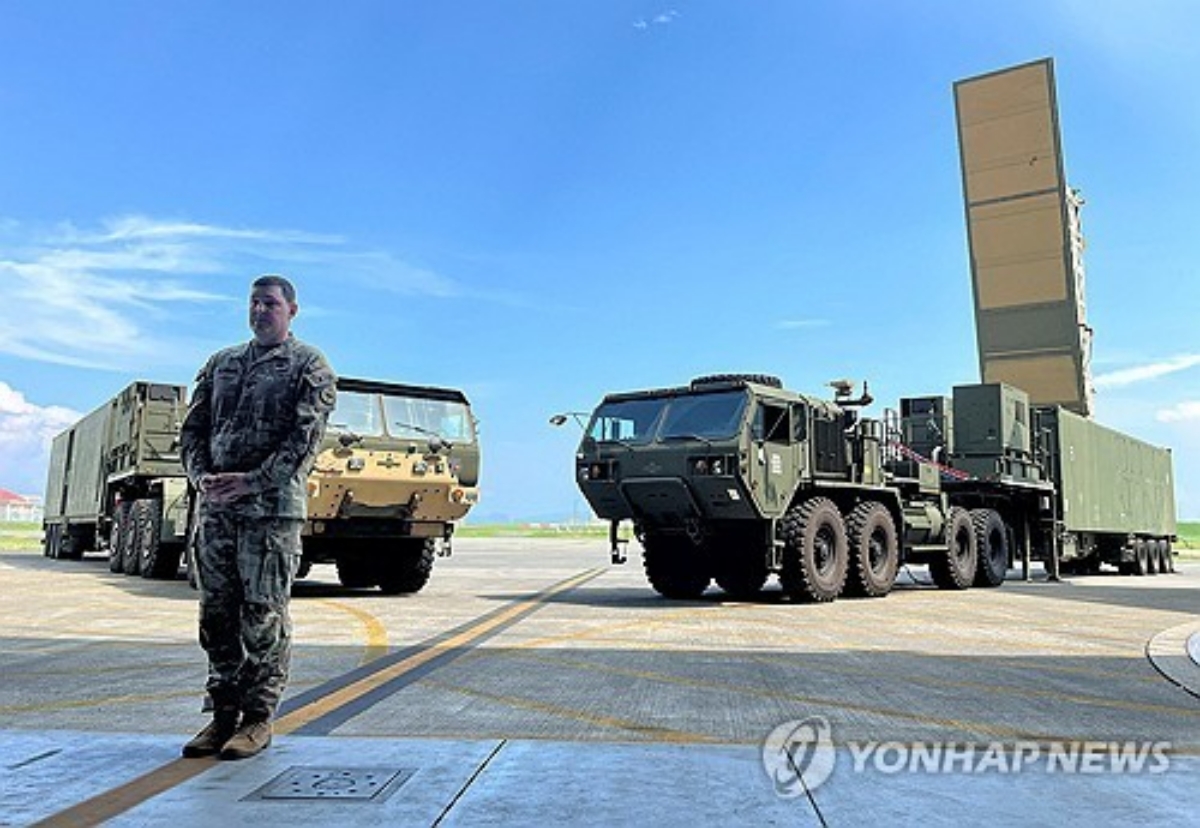
On the flip side, hosting forward missile bases capable of striking mainland China would make South Korea a frontline outpost in any great‑power crisis.
Where the THAAD deployment provoked intense diplomatic and economic backlash over a defensive radar, the introduction of an offensive system like Typhon could elicit a far stronger security response from Beijing, potentially including reprisals that would dwarf past reactions.
Seoul must decide: employ a powerful strike umbrella to contain the North’s nuclear threat, or accept the risk of becoming the frontline missile outpost in a great‑power standoff. That strategic dilemma is now on a countdown.