
As U.S. officials laid out justification for war with Iran, they invoked North Korea’s nuclear-development path from more than 30 years ago as a cautionary precedent.
Pete Hegseth, the U.S. secretary of defense, testified before the House Armed Services Committee on the 29th (local time), criticizing Iran’s nuclear ambitions and declaring, “This is North Korea’s strategy.”
That framing signals a shift in Washington’s approach to controlling and deterring adversaries pursuing weapons of mass destruction (WMD)—one that goes beyond the immediate military tensions in the Middle East.
Why Washington Launched War Even After Facilities Were Hit
The hearing’s central dispute was whether the military strikes had a consistent and legitimate rationale.

Rep. Adam Smith, the top Democrat on the committee, pressed Hegseth, arguing that strikes ordered by President Donald Trump last June had already degraded Iran’s nuclear infrastructure. Smith accused the administration of then recasting that damage as an “imminent threat” when it moved to launch a broader war in February—an inconsistent narrative, he said.
His question went to the core: if those facilities were no longer operational, why authorize a full-scale war?
Hegseth acknowledged the earlier damage but said it missed the deeper danger.
He told lawmakers that while bombing had destroyed and buried nuclear sites, Tehran’s nuclear intent remained intact. More worrying, he said, Iran has been adapting—building a substantial conventional missile umbrella that would raise the cost of outside intervention and provide cover for covert nuclear work.
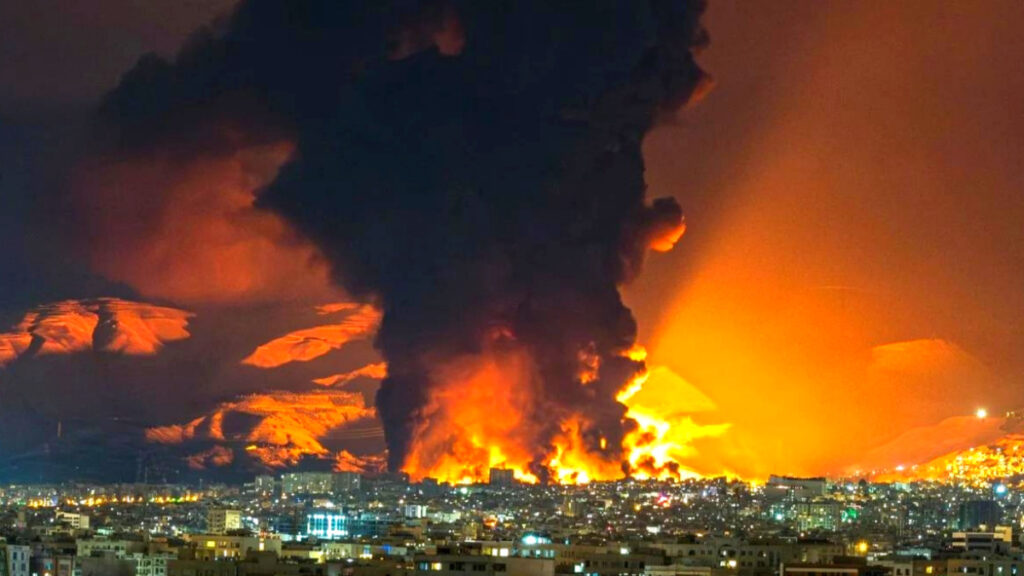
The Pentagon’s assessment, Hegseth said, was straightforward: limited strikes that damaged centrifuges or wrecked buildings would only delay Tehran’s program. They would not break Iran’s core political will to pursue nuclear capability.
How Washington Sees North Korea’s Playbook in Iran
The Pentagon’s chief concern is that Iran may be replaying the North Korean “shield-and-spear” playbook.
Hegseth pointed to the 1990s, when, he said, North Korea amassed ballistic missiles to create a massive deterrent shield—narrowing external military options—while it quietly completed a nuclear “spear” under that cover.
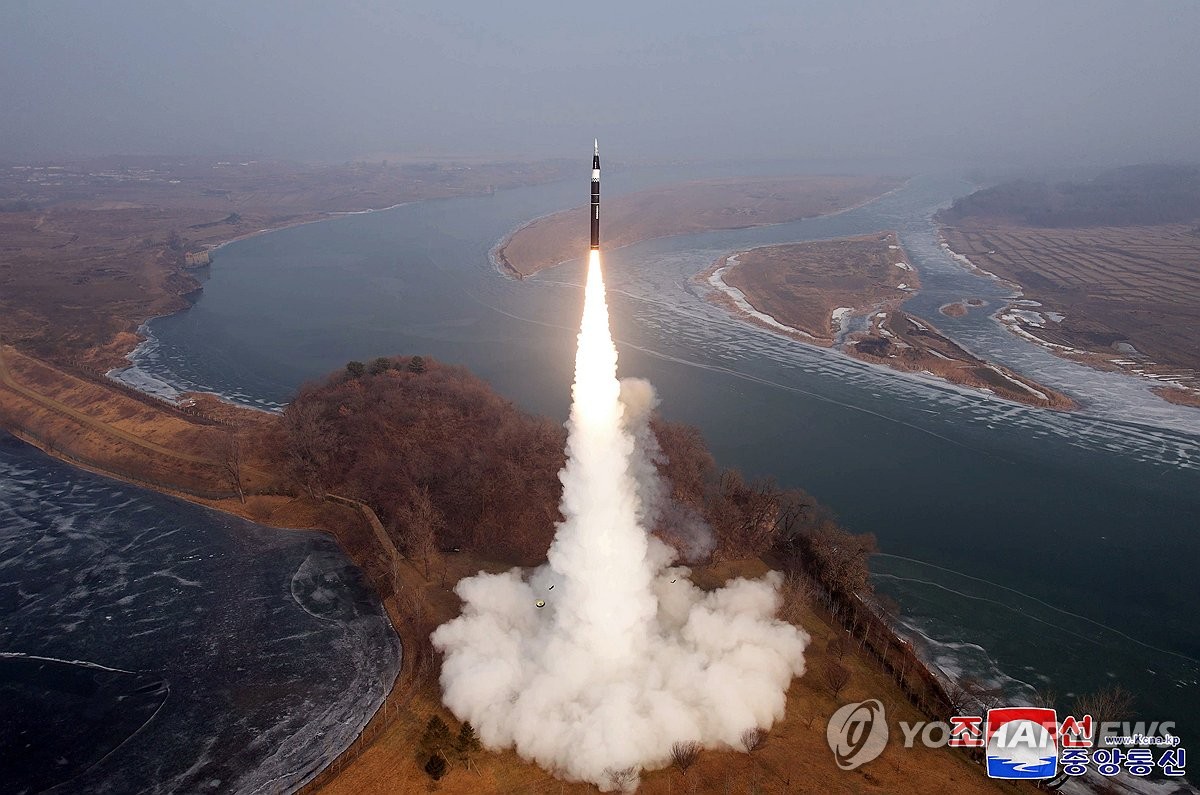
From Washington’s perspective, Iran appears to be following a similar trajectory: hardening defenses with conventional missile forces to deter strikes, while finishing nuclear work deep underground.
Having been misled by North Korea’s delay tactics in the past and failing to prevent its effective nuclearization, U.S. officials concluded that preemptive action at Iran’s most vulnerable moment was the only practical way to dismantle the program.
Hegseth’s blunt warning—“If they get a nuclear weapon, they will use it”—underscores a cold, strategic decision in Washington not to repeat those past failures.