When the lights go down and the credits roll, dozens of names scroll by. From development and production to lighting and sound, myriad roles combine to make a film. Among them is a job that often goes unnoticed but is indispensable on set.
The country’s first intimacy coordinator on the ‘essential presence’ on set
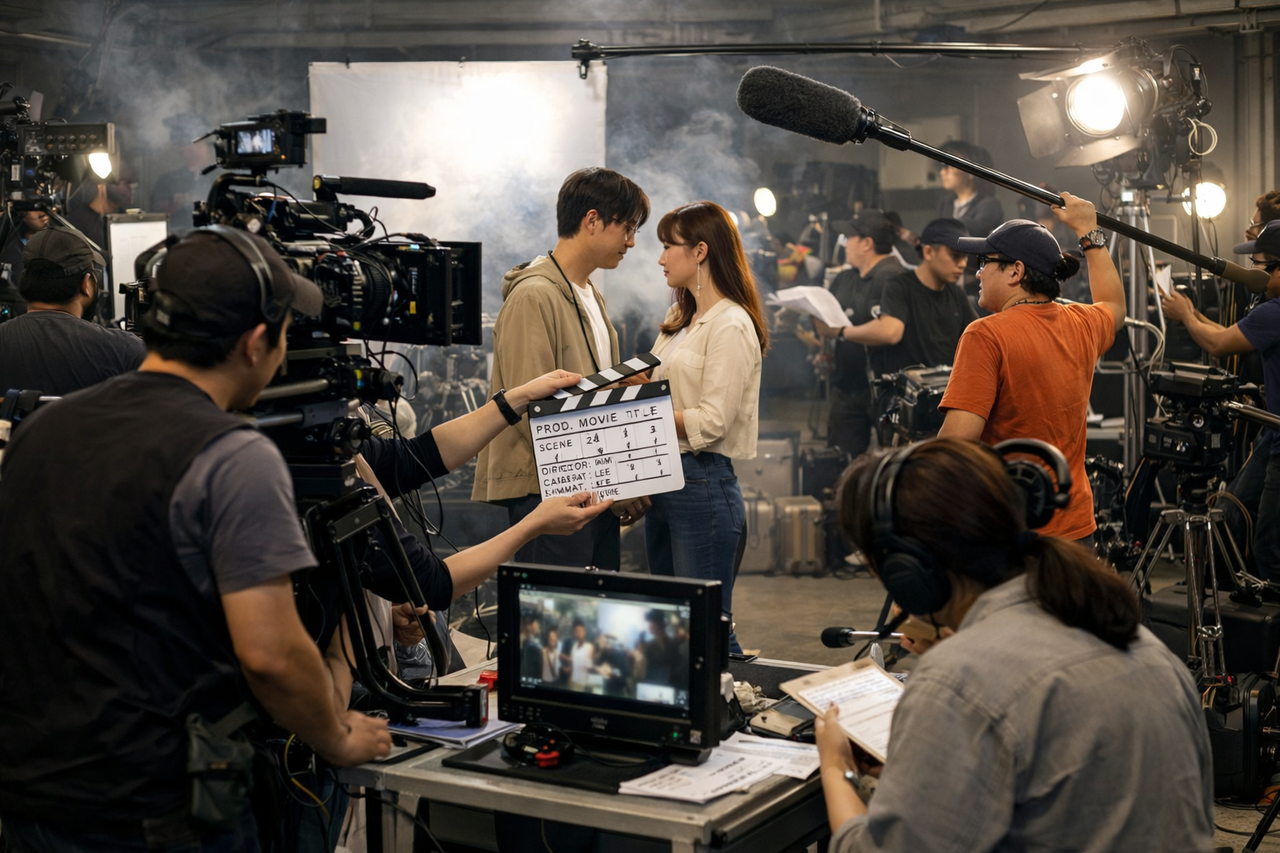
Intimacy coordinator. Still a relatively unfamiliar title in Korea, it’s a routine credit on Hollywood films that include intimate scenes. These scenes cover nudity, kisses, simulated sex or any sexual activity. And an intimacy coordinator mediates between the director and actors when those scenes are filmed.
Abroad, intimacy coordinators are standard. In Korea, the role is still emerging. So what exactly does an intimacy coordinator do, and how do they operate on set?

Kwon says, “An intimacy coordinator exists to protect the emotional safety of actors as well as the director and crew on set.” She emphasizes neutrality: “This role isn’t just for women. It’s about protecting everyone—whether an actor plays a coercive or abusive character or a crew member has trauma related to violence or pressure.”
She adds, “On set, we conduct brief safety sessions before intimate scenes, remind crew members not to stare at actors as they pass, and take measures to protect anyone who may have prior experiences of violence or coercion, separating them from triggering situations.”
Her primary responsibility is mediating between the actors and the director in intimacy scenes—especially those involving sensitive nudity or sexual expression—by facilitating detailed discussions and agreements.
Kwon explains, “When a script includes intimacy scenes, I meet one-on-one with directors and actors in advance to establish consent boundaries. We talk in detail about what message the scene should convey and the intended level of explicitness.”
She continues, “After analyzing the script and the intimate scene, I discuss implementation with the director—everything from the range of upper- and lower-body exposure to precise positioning—and then go through it with the actors. It’s crucial to check in on actors’ emotional states. Because an actor might find a particular portrayal difficult, we continuously confirm their consent.”

Ha Ye-rin publicly thanked the intimacy coordinator after filming a high-intensity romantic scene, saying, “The coordinator arranged the intense scene like choreography, which let me feel safe during filming. I think they are essential.”

The MeToo movement highlighted the need for intimacy coordinators; established abroad, nascent in Korea
The role of intimacy coordinator gained visibility alongside the MeToo movement. After the Harvey Weinstein scandal in October 2017, calls grew for intermediaries to manage the power dynamics on set—especially around nudity. A core function of the intimacy coordinator is preventing unagreed or coercive demands from arising during production.
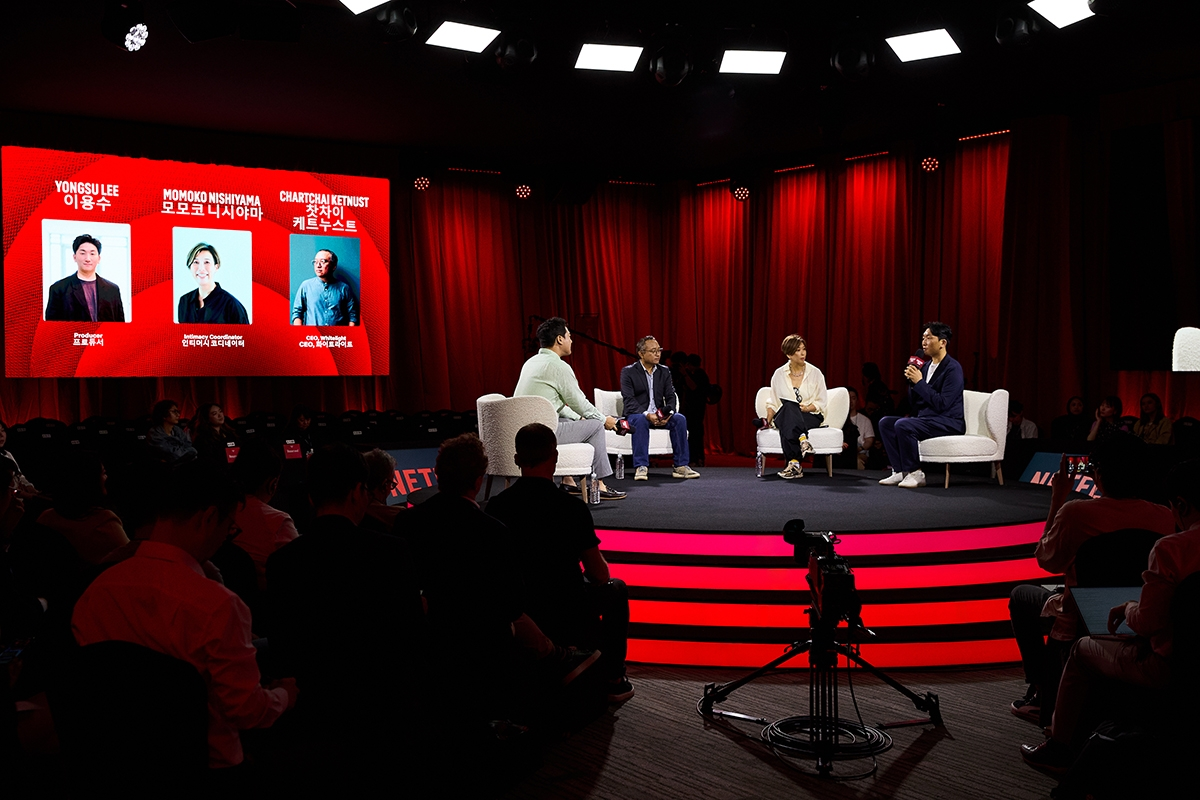
Kwon notes that those who trained with her overseas have long been working on sets. “From a distance, Korea’s film industry looks like it’s moving forward compared with the past,” she says, “but it’s frustrating not to be invited in more often. I’ll actively promote the importance of this role.”
Working to make the role familiar and standard in Korean filmmaking
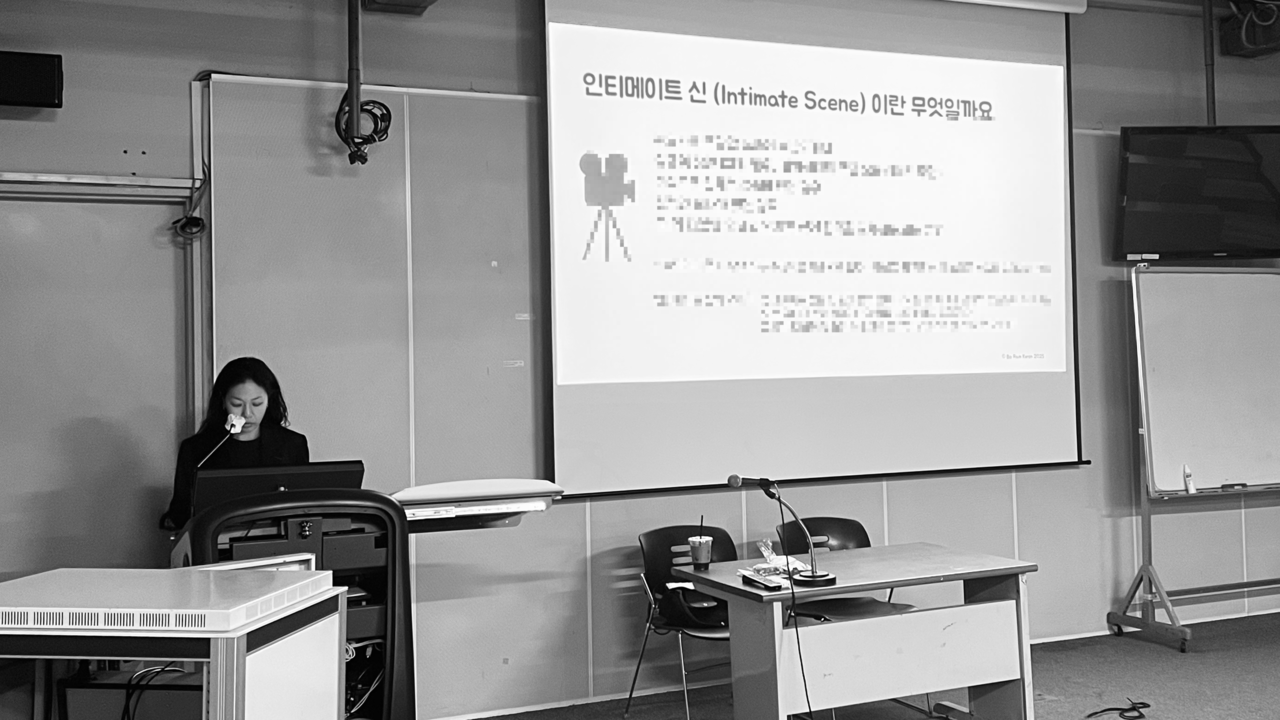
Kwon, who produced Yeongju and Big Sleep, completed a professional program run by the Intimacy Professionals Association (IPA) in the U.S., becoming Korea’s first certified intimacy coordinator. There are currently no domestic training programs in Korea.
Because the IPA’s training is in English, language is the biggest barrier. Fortunately, Kwon’s fluency allowed her to absorb a wide range of material.
She explains, “The program covers effective communication and conflict-resolution techniques, consent-boundary setting, understanding power dynamics on set, gender-sensitivity training, and overall production etiquette. The six-month course includes exams and in-person practical workshops, culminating in certification.”

Kwon says her priority is educating the industry about what intimacy coordinators do. Bearing the weight of being the first in her country, she is knocking on production companies’ doors and is already in open discussions to join several projects.
At the interview’s close, Kwon said she hopes productions across all environments will come to recognize her role.
She urged, “I’d appreciate even multiple meetings about this. My goal is to make this role familiar—so that when a film shoots, people regard an intimacy coordinator as naturally necessary, like a director, producer, or cinematographer,” she said emphatically.