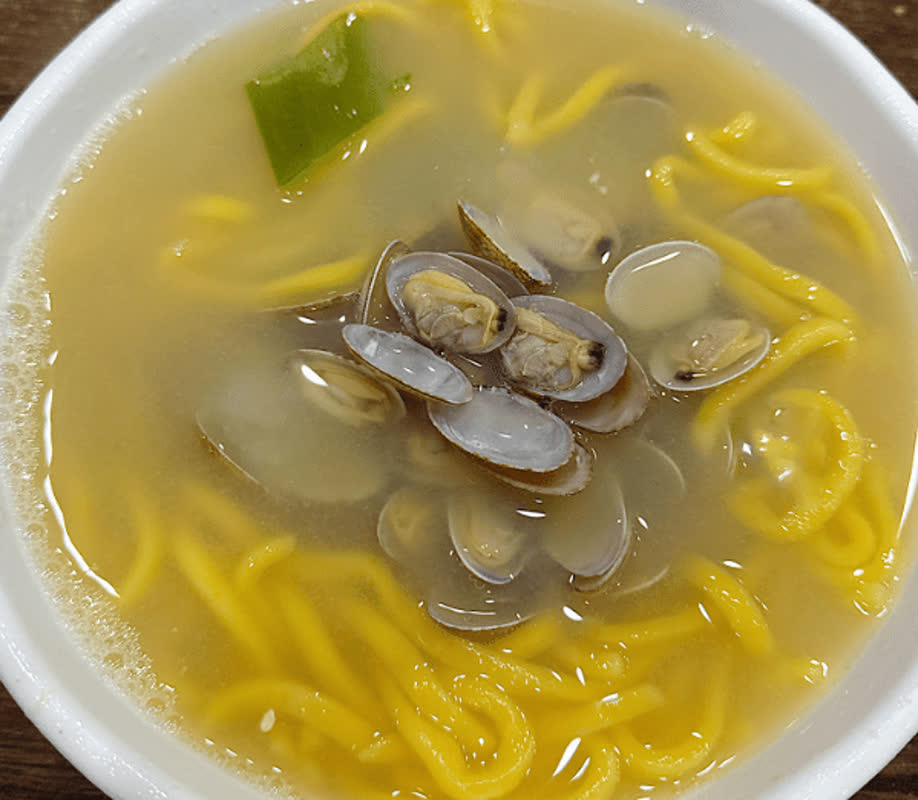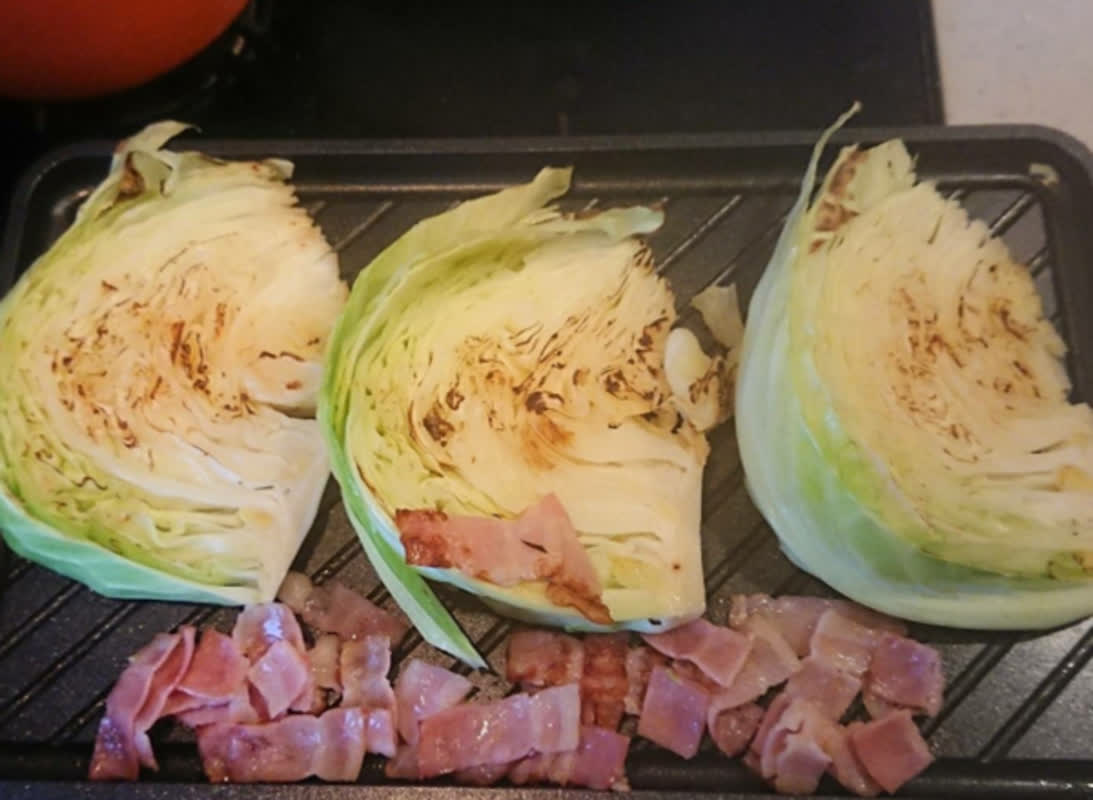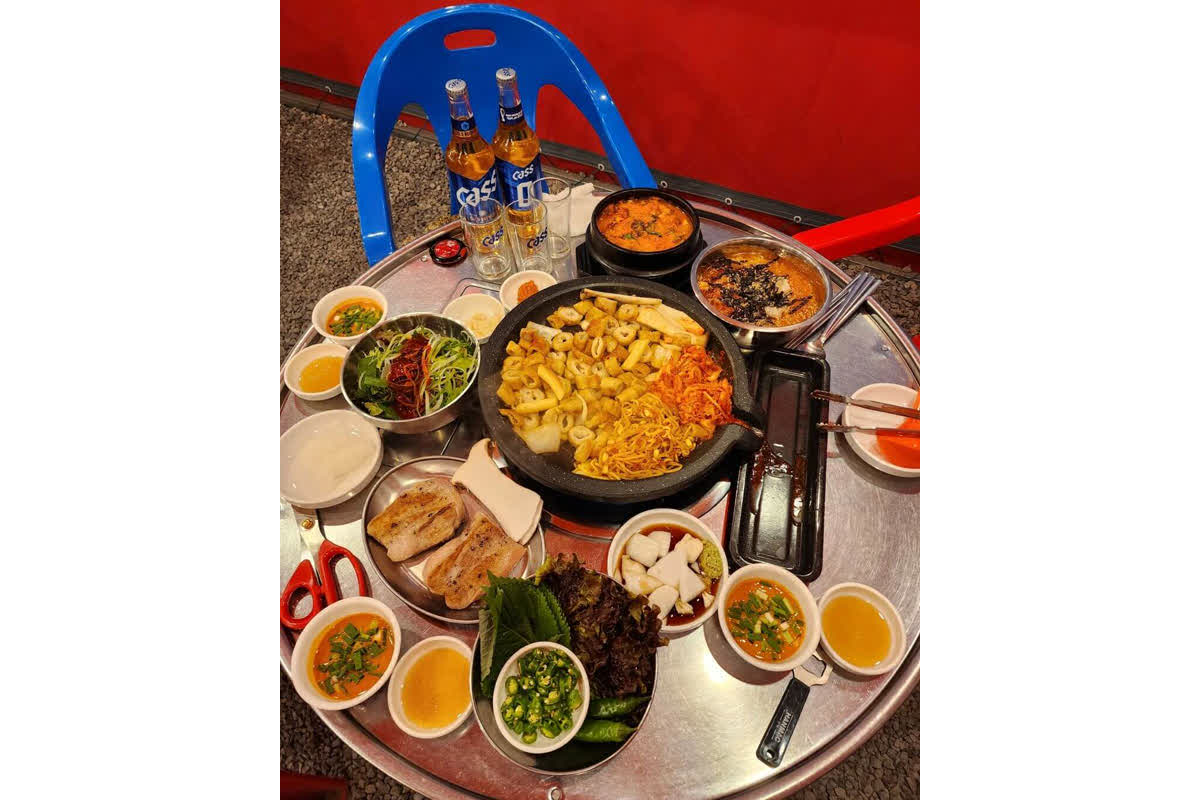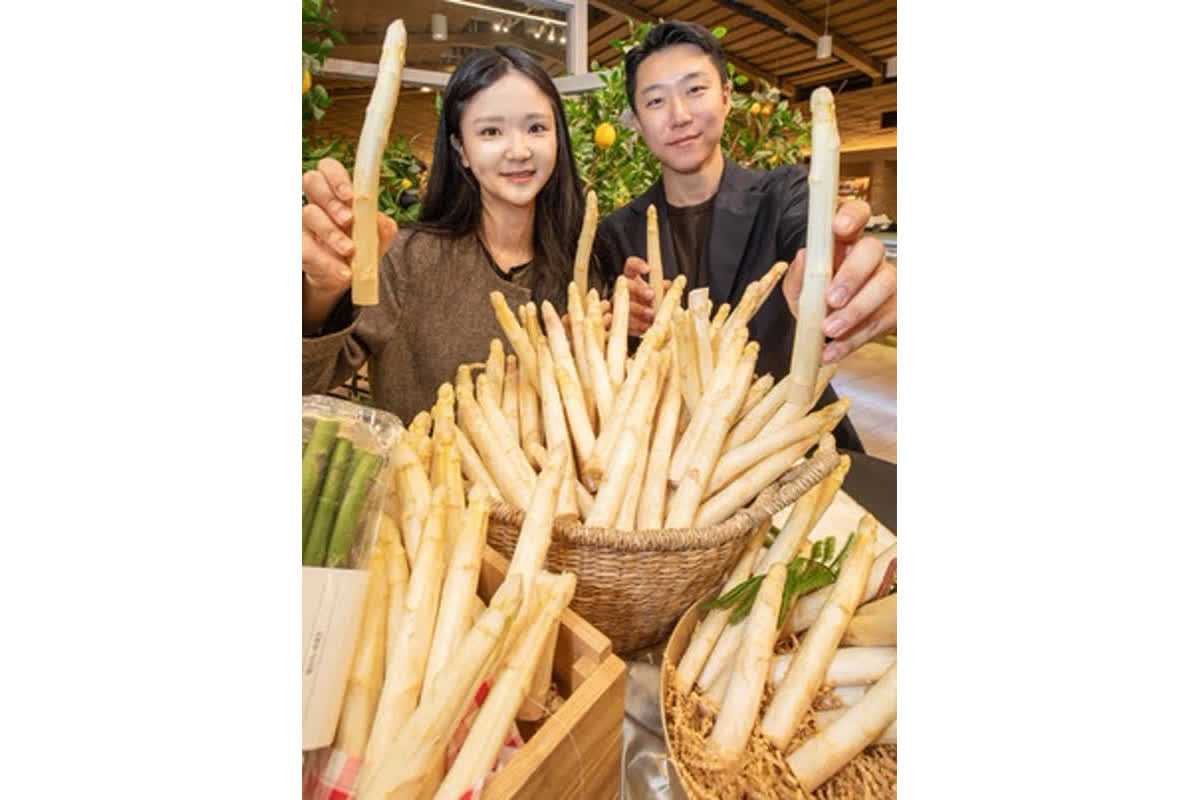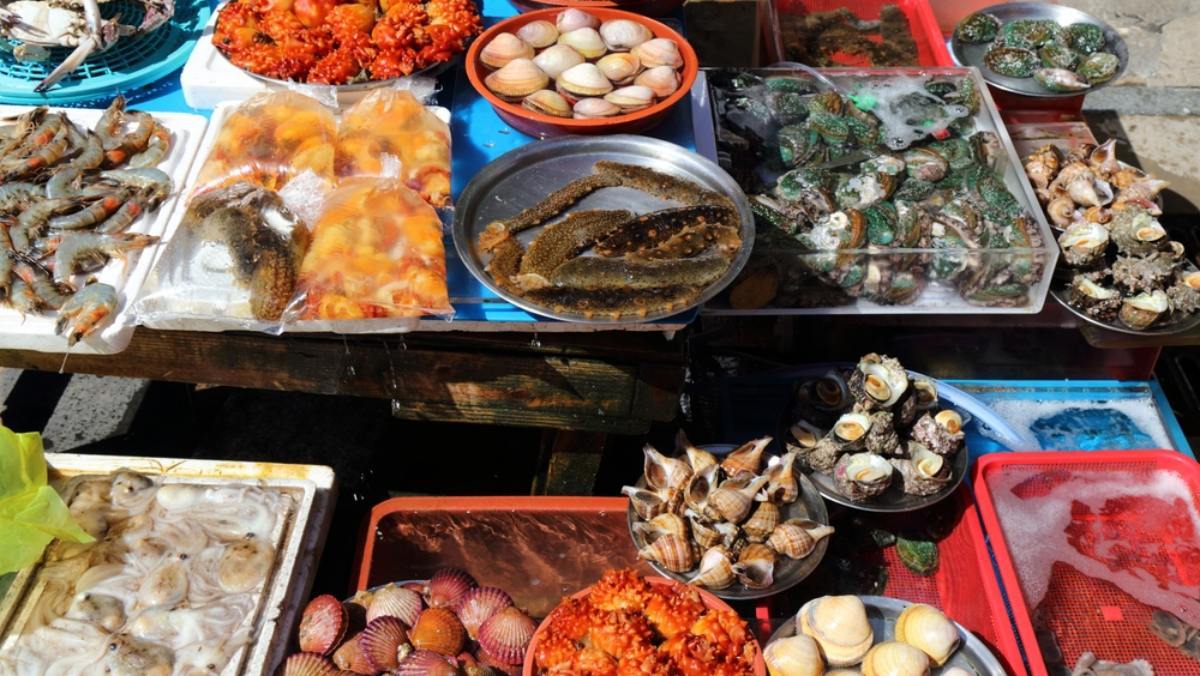
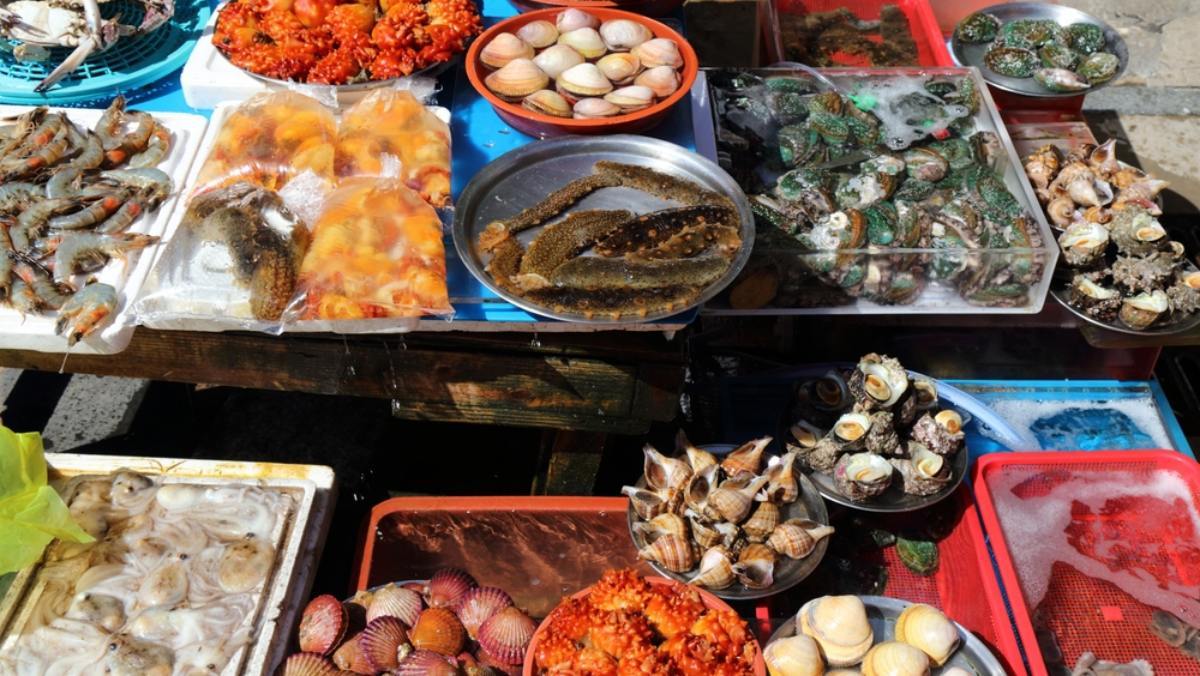
As May rolls in, the showstopper at seafood markets across the country is the pen shell — called kijogae in Korea.
Its name comes from its likeness to a grain-hulling “key,” and that comparison fits: the pen shell’s size and regal presence stop people in their tracks. In the cool spring breeze, these shells plump up before spawning. That’s when their natural sweetness and umami peak — no wonder they’re nicknamed the “king of clams.”
Nature’s pick-me-up: the pen shell
Pen shells are a nutritional powerhouse. They’re loaded with taurine — a nutrient many of us don’t get enough of — at levels far higher than most shellfish. Taurine supports liver function and helps lower blood cholesterol, making pen shell a go-to for beating spring fatigue and boosting energy. They’re also rich in zinc and vitamin B12, which support immunity and help prevent anemia.
If you’re watching your weight or caring for your skin, pen shells are a smart pick. They’re high in protein but low in fat and calories, so they help you stay nourished while dieting. They also contain essential amino acids that support skin elasticity and slow aging. Enjoying pen shell in May isn’t just delicious — it’s a little health investment that can leave you feeling refreshed.
From adductor to wing — no part wasted
The real charm of the pen shell is how each part brings a different texture and flavor. The large cylindrical adductor — the piece most people know — is satisfyingly chewy yet melts on the tongue. Heat brings out its sweetness, but overcook it and it can turn tough, so timing is everything. The meat around the adductor, often called the wing or collar, offers a firmer, pleasantly crunchy bite.
The wing carries a deeper ocean flavor than the adductor and enriches broths in hot pots and stews. Flesh near the viscera, when cleaned well, makes a standout stir-fry or seasoned side. For freshness, choose shells that are intact and tightly closed; if one is open, it should snap shut when tapped. When buying adductor meat alone, look for pieces that feel firm with a creamy, milky sheen.
Land-meets-sea perfection: Jangheung-style pen shell samhap
Jangheung, in South Jeolla Province, is famous for pen shell samhap — a trio that hits culinary gold. Tender, flavorful thinly sliced Korean beef (chadolbagi), aromatic shiitake mushrooms, and the pen shell adductor sizzle together on a hot plate. Start by searing the chadolbagi to render its savory fat, then briefly grill thin shiitake slices and the adductor in that oil. Pull the adductor the moment it loses translucence and turns opaque to keep it tender.
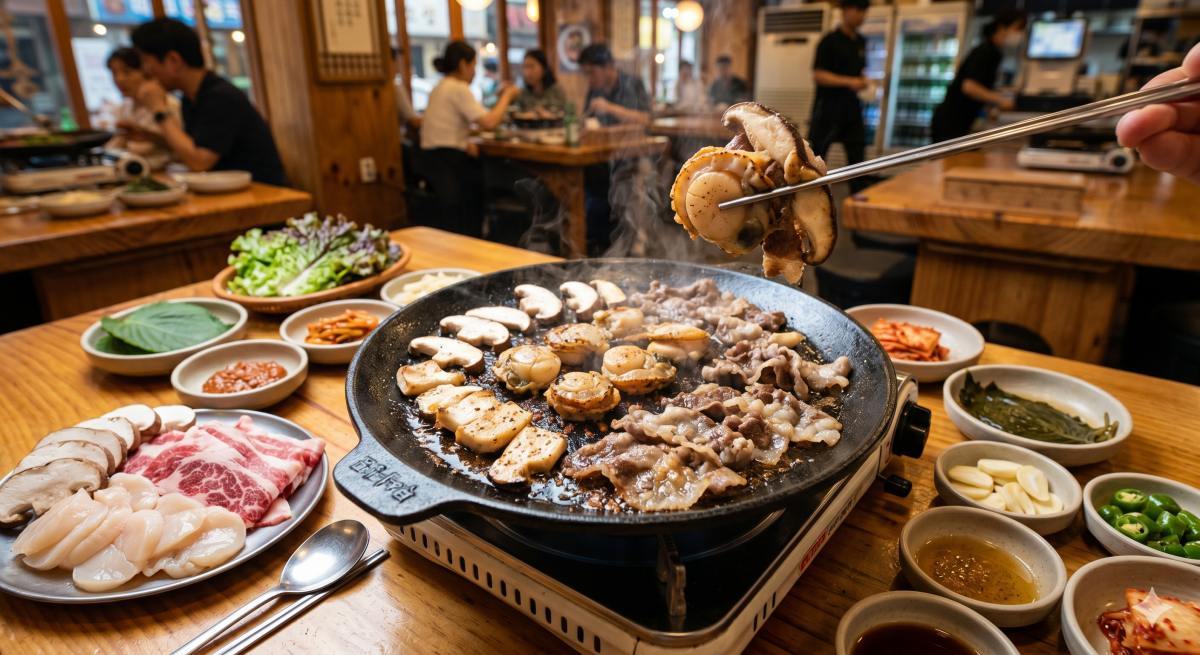
Stack a slice of adductor and a mushroom on the seared beef, add well-aged kimchi or pickled garlic leaves, and pop the whole bite into your mouth. The beef’s juices, the shellfish’s umami, and the mushroom’s texture hit all at once — you’ll immediately see why this dish is beloved nationwide. Because the ingredients sing on their own, it’s perfect for family meals or when you want to wow guests without heavy sauces.
Bring the restaurant home: adductor butter steak and pasta
You can turn pen shell adductor into a restaurant-worthy meal at home. A fail-safe favorite is the adductor butter steak. Trim away the tough membrane from the adductor, then lightly score the edges. Melt a tablespoon of butter in a hot pan with sliced garlic to flavor the fat, then sear the seasoned adductor over high heat for 1–2 minutes per side until golden. Finish with a few drops of white wine to brighten the flavor and tame any briny notes.
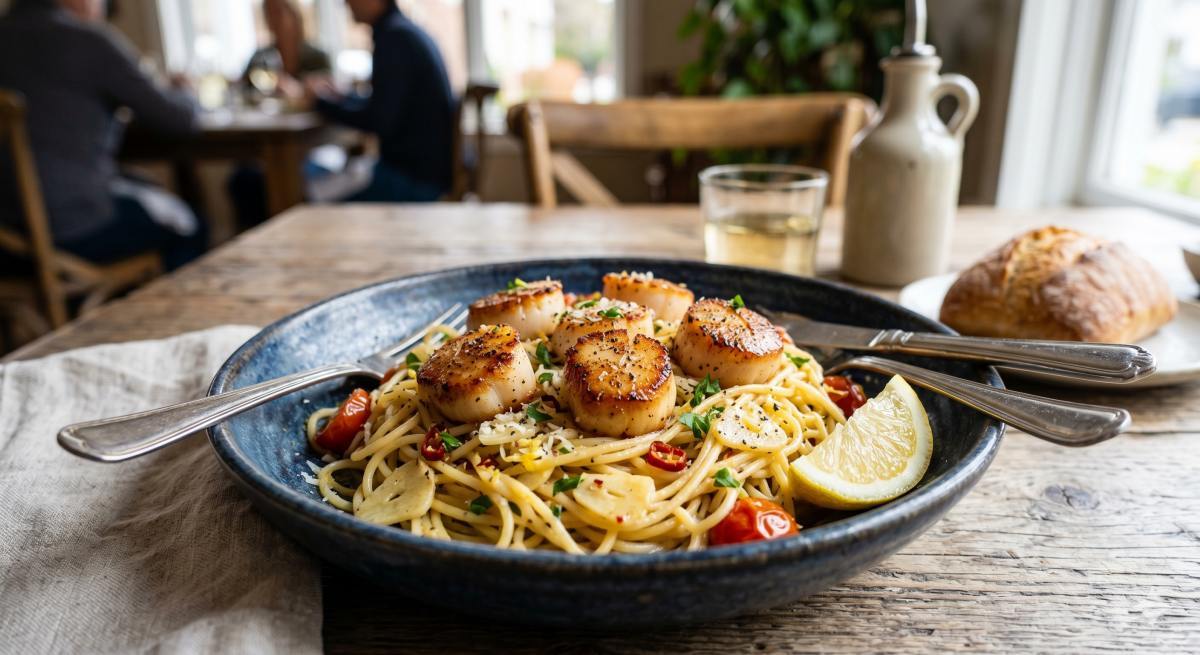
For a heartier option, try adductor oil pasta. Sauté garlic and peperoncino in olive oil, then toss in cooked pasta and sliced adductor. Add a splash of pasta water so the sauce sticks to the noodles, and season with salt and freshly cracked pepper. Finish with fresh arugula or a squeeze of lemon for brightness. Serve with broccoli or asparagus for balanced nutrition and an attractive plate — perfect for a home party.
Storage and safety precautions
Even in season, pen shells require care. They’re high in moisture and protein, so they spoil fast — cook them right after buying when possible. To store, remove the meat from the shell, wash it thoroughly, dry it well, put it in an airtight container, and freeze. Thaw frozen adductor slowly in the refrigerator before cooking to preserve texture.
Also note that around May some waters may test positive for shellfish toxins, so buy only from official, inspected sellers. Toxins can concentrate in the viscera, so it’s safer to remove those parts and cook the meat thoroughly through to the center. To reduce the risk of foodborne bacteria like Vibrio, rinse the meat several times under running water before cooking.