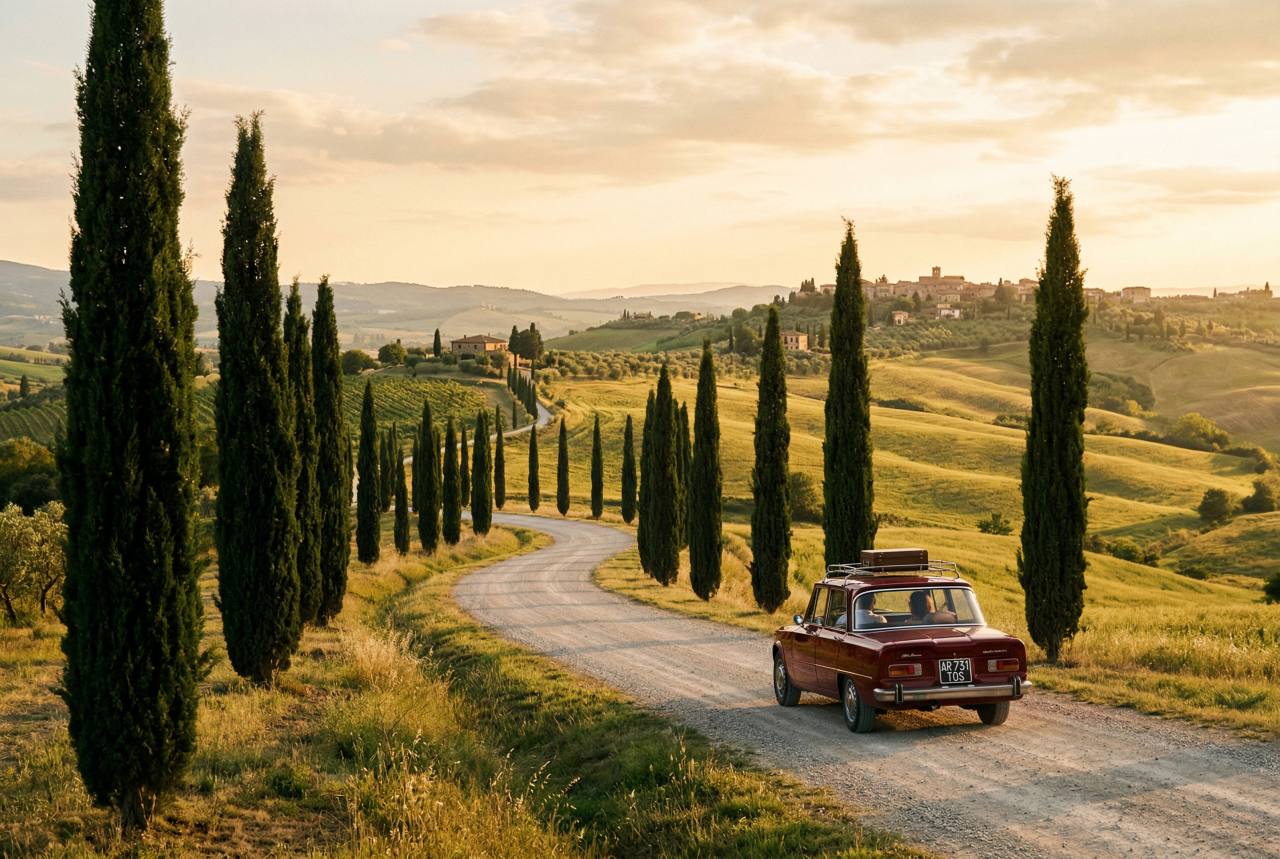
Only a rental car in Europe gives you the freedom to pull over in unnamed villages and skip rigid timetables. If you want to fully soak up the winding, cypress-lined roads of Tuscany that trains can't reach or the lavender fields of southern France, renting a car is the way to go.
We'll walk you through everything—from booking and costs to practical, on-the-road tips—so you can enjoy a seamless road trip across unfamiliar European roads.
What to Bring and How to Book a Rental Car in Europe
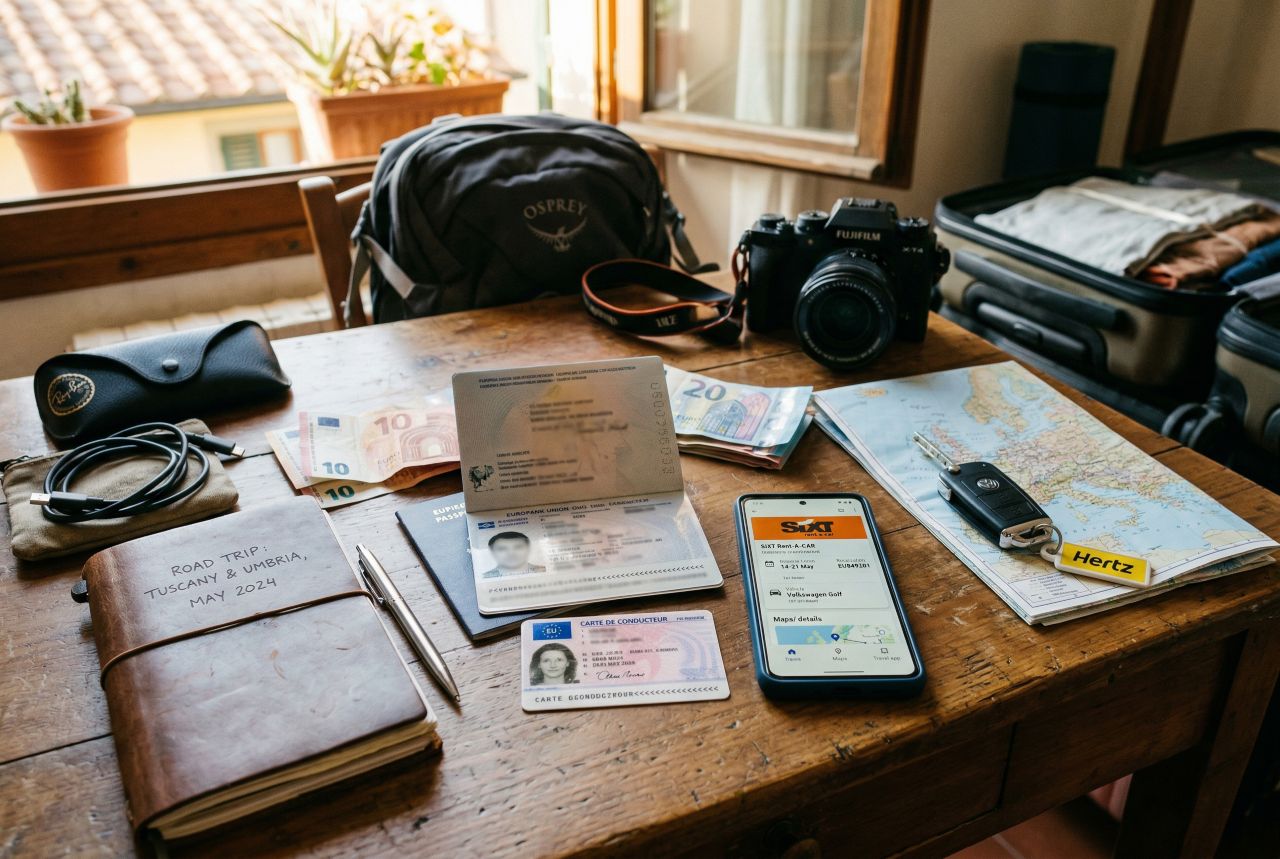
Renting a car in Europe requires solid preparation. First, bring an International Driving Permit—it basically serves as an official translation of your Korean license—so carry your valid Korean license and passport together.
You'll also need a credit card in the primary driver’s name that allows international charges. Many rental counters won’t accept debit cards for deposits, so bring a credit card and some local cash just in case.
Book through major rental brands like Hertz or Avis, or use price-comparison platforms. The most critical choice is transmission type: manual cars are still common in Europe. If you want an automatic, be sure to select the 'Automatic' option when booking. Automatics are limited and can be pricier, so reserve at least 2–3 months in advance.
Costs and Insurance Choices for a Smart Trip
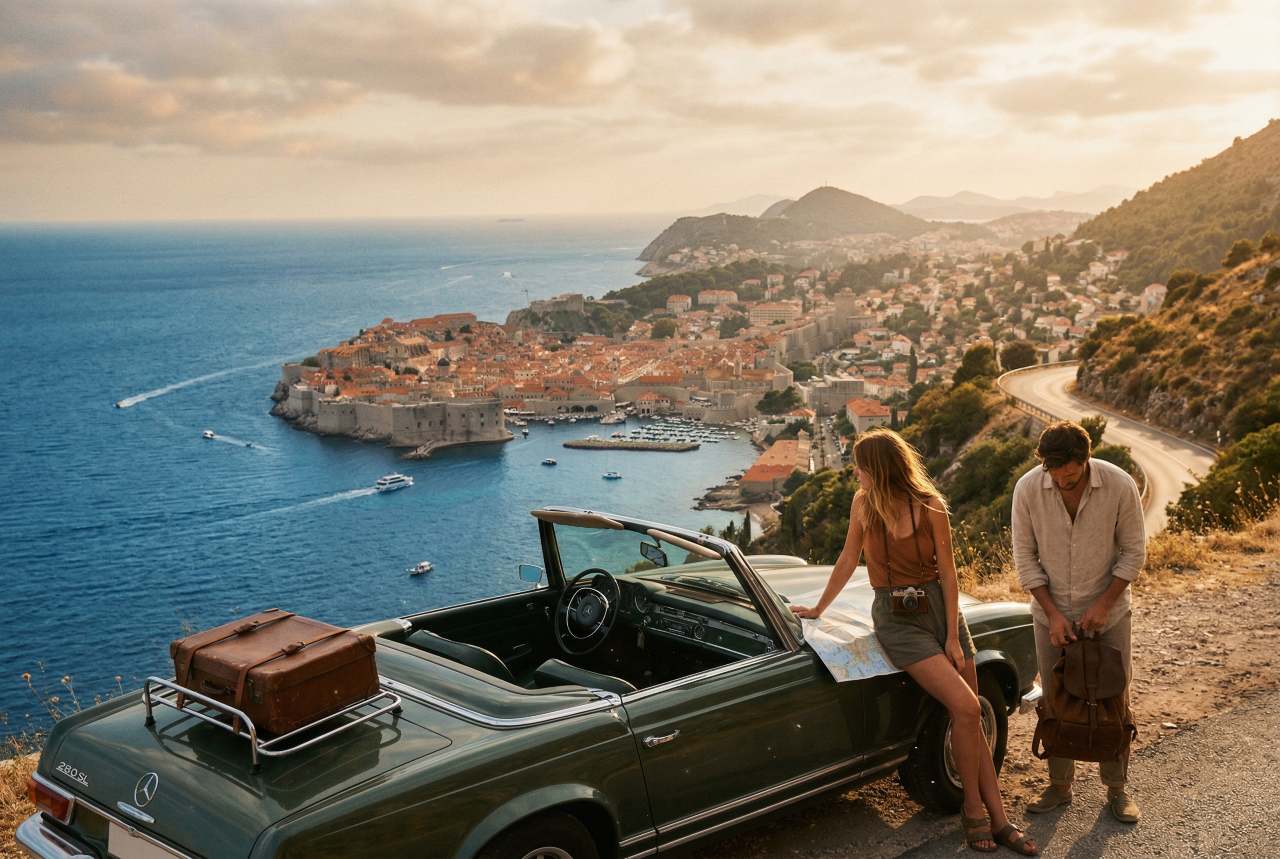
Rental prices in Europe vary widely based on car type, rental length, and pickup location. For a compact car, expect roughly 50,000–100,000 KRW (approximately $37.50–$75.00) per day, but one-way drop-offs or cross-border travel can add extra fees.
Insurance is where you should be most careful. Given unfamiliar roads and narrow alleys in many towns, full coverage (or a comprehensive waiver) is essential. Policies bought at the local counter can cost more, but they often streamline claims if an accident happens.
Opting for a "super cover" (zero excess) can protect you not only against vehicle damage but also against tire and windshield damage, letting you travel with much more peace of mind.
Practical Tips for Driving in Europe
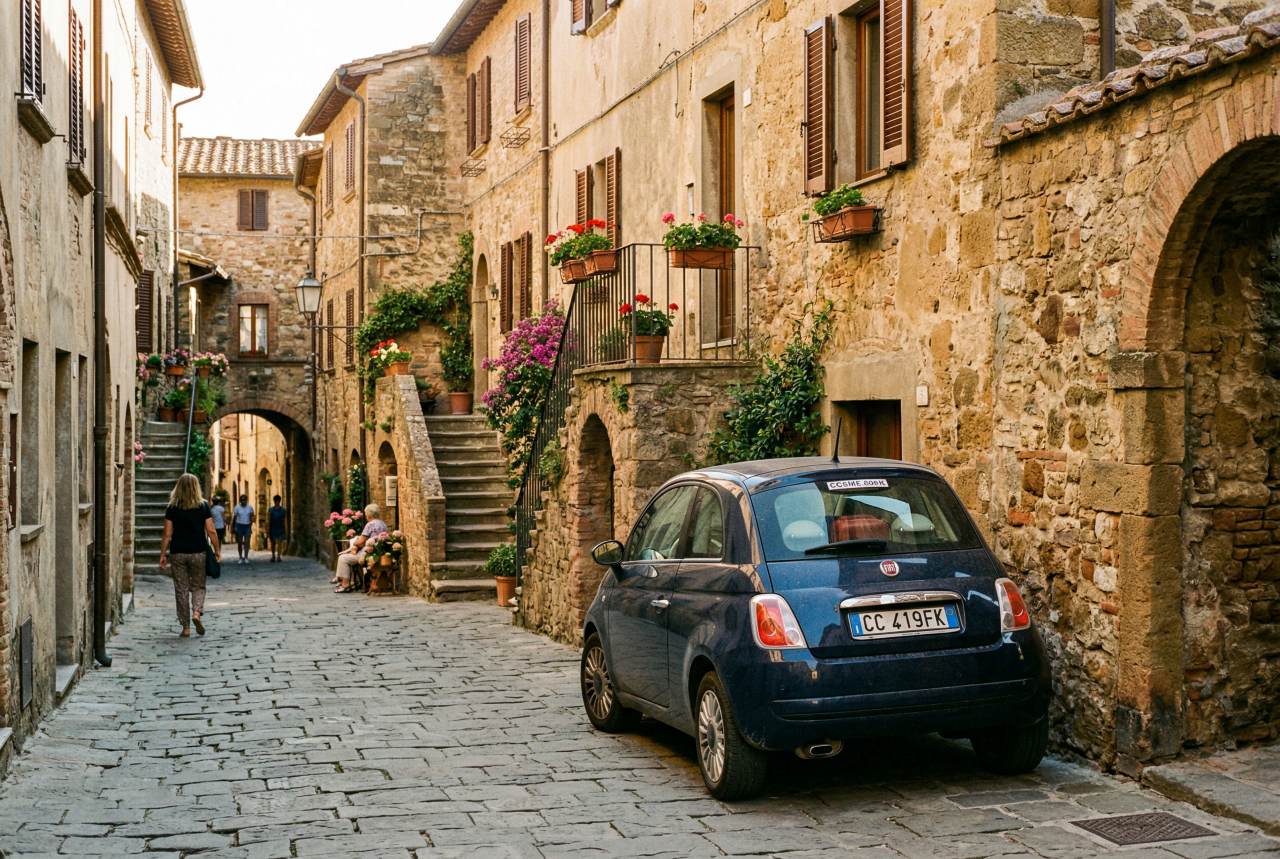
Once you're behind the wheel, you'll notice a few differences from driving at home. Roundabouts are central to many European roads: vehicles already in the circle have the right of way, entering cars should wait at the stop line, and you should signal right when you exit. It's not wildly different from home, but staying extra alert pays off.
If you're renting in Italy, familiarize yourself with ZTL zones. These restricted traffic zones bar unauthorized vehicles, and accidentally entering one can trigger steep fines. If your accommodation is inside a ZTL, contact them ahead of time to register your car.
Historic city centers often have very narrow streets, and parking can be much trickier than in Korea. Picking a small, easy-to-park car will save you stress—and time. If you're a confident driver, you may have more flexibility, but for most travelers, a compact car is the smart choice.
Fueling, Returns, and Final Checkpoints
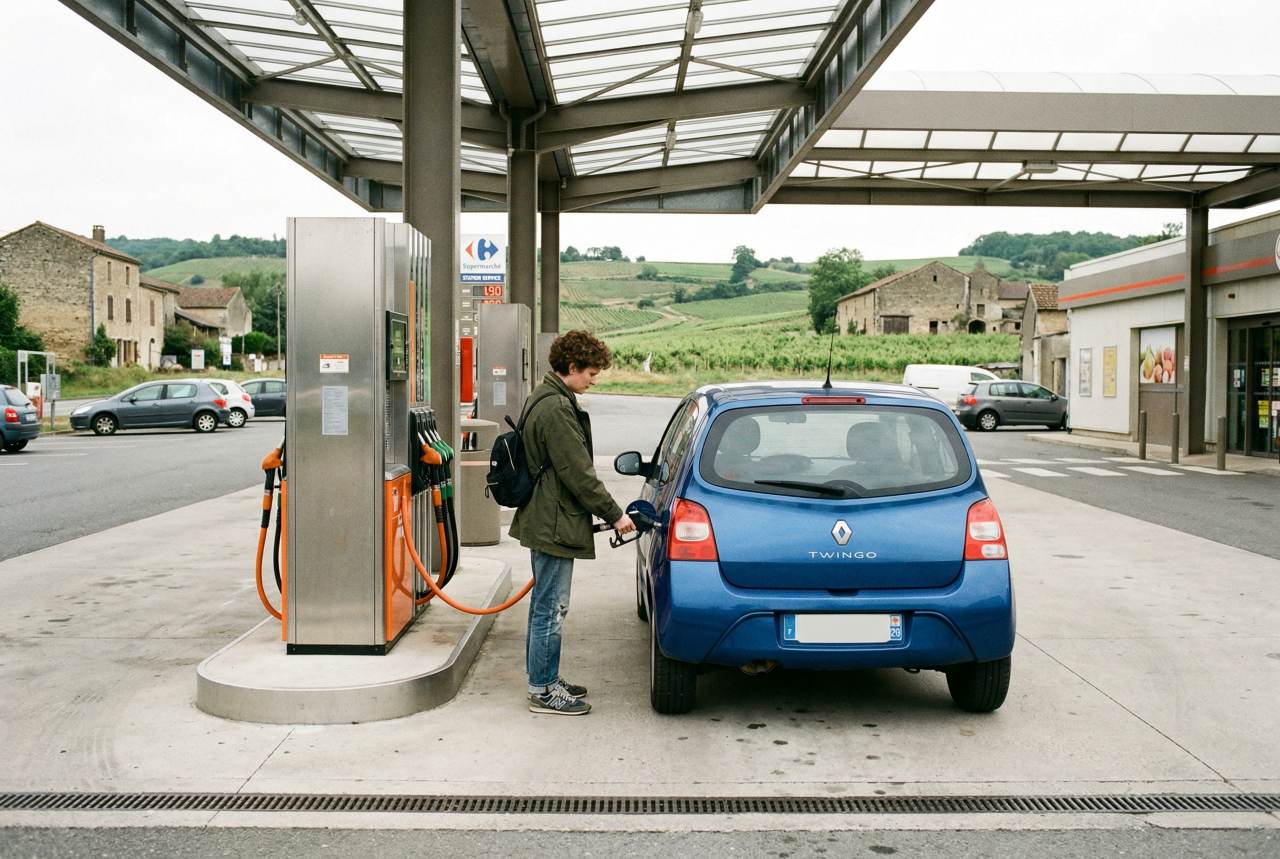
Most European gas stations are self-service. Make sure you don't mix fuel types—check Benzina (gasoline/petrol) versus Diesel before you fill up. After fueling, note your pump number and pay inside. When returning the car, double-check whether your contract requires you to refill the tank.
Always document the car's condition with video or photos before you drive off. That small habit can prevent disputes later. Renting a car in Europe takes a bit of planning, but the freedom it gives you—picture-perfect views rolling past your window—makes it more than worth it. Start plotting that dream road trip and get ready for an unforgettable adventure.
(※Photo credits: ⓒ InformaticsView)