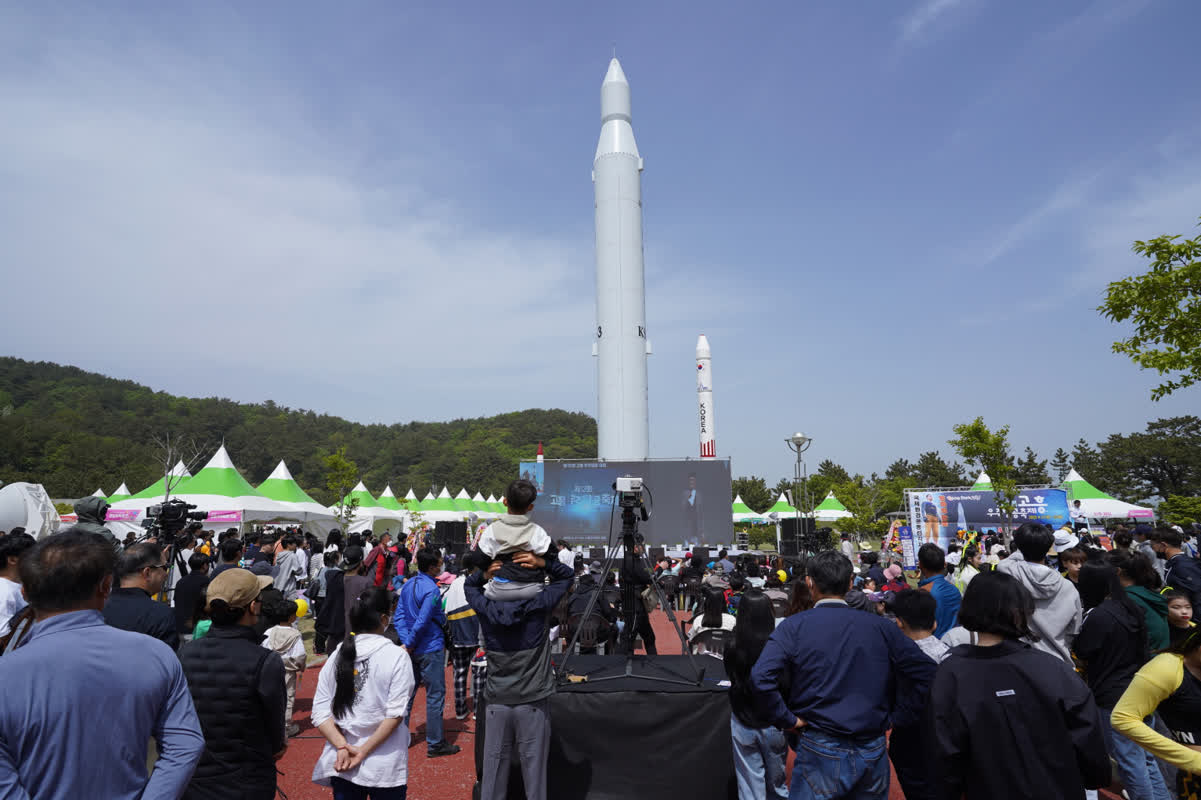
Trying to squeeze a whole continent into a short trip is the biggest headache for first-time travelers. When enthusiasm runs ahead of common sense, your dream escape can easily become one endless train ride.
Today, we’ll walk through the common mistakes beginners make and share smart, romantic tips for crafting an efficient Europe itinerary.
Don’t Overdo It: Ditch the Checklist Itinerary

“I flew 15 hours — when will I even be back?”That’s the number-onemistakefirst-timers make: trying to pack in too many countries. Jamming five countries into a 10-night, 12-day trip often feels harder than boot camp. Traveling between cities isn’t just train time.
Packing, checking out, getting to the station, waiting for trains, finding your next place, and unpacking easily eat half a travel day. The secret to a great Europe itinerary is deciding what to skip.
Stay at least three nights in one city so you can actually feel its vibe. That’s the only way to truly know you’re in Europe.
The Reality of Getting Around in Europe
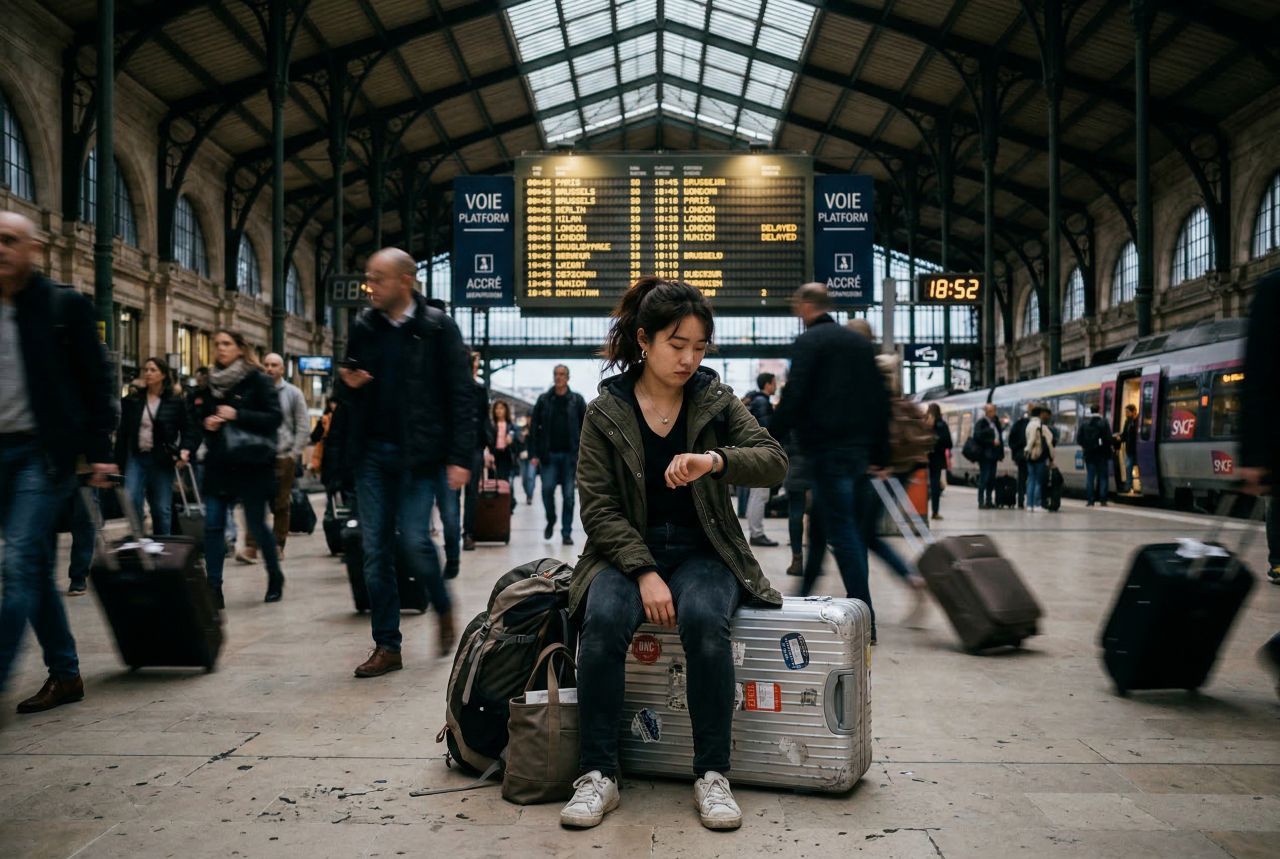
Just because Google Maps says “2 hours from Paris to Switzerland” doesn’t mean you should book a Paris dinner three hours later. European public transit has more variables than in Korea: strikes in France, delays on German rails, and sudden schedule changes in Italy are all common.
And remember: budget flights often land far from city centers. Once you factor in security lines and waiting, trains like the Eurostar or TGV can actually be faster and way more comfortable.
Always build in about two hours of buffer for travel days. That little cushion keeps you from scrambling and keeps the trip fun, even when things go sideways.
Use a Hub-City Strategy
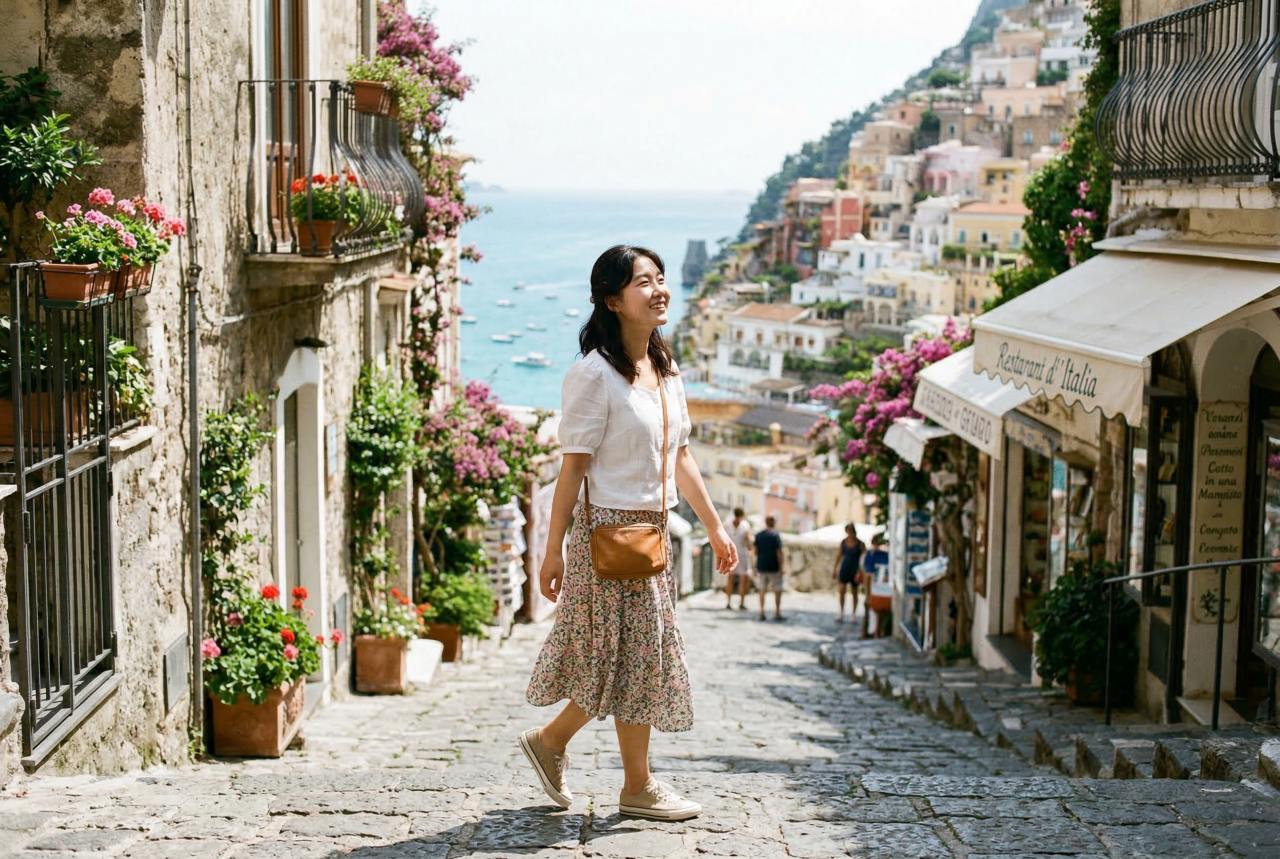
Moving hotels every night will wear you out. Try the hub-city approach: pick one base and take easy day trips to nearby towns.
For example, base yourself in Munich and do day trips to Neuschwanstein Castle in Füssen or to Salzburg. From Florence, you can pop over to Pisa, Siena, or charming Tuscan villages.
Here’s another pro tip: you can transfer from Florence to Rome via a Tuscany tour—sometimes called a “sending tour.” You enjoy day trips from your base and get dropped off at the next city. Since the tour often includes transport, it can cut costs. Leaving most of your luggage at your base and heading out with a small daypack is one of the best ways to pace yourself on a European itinerary.
I’ll Buy It When I Get There
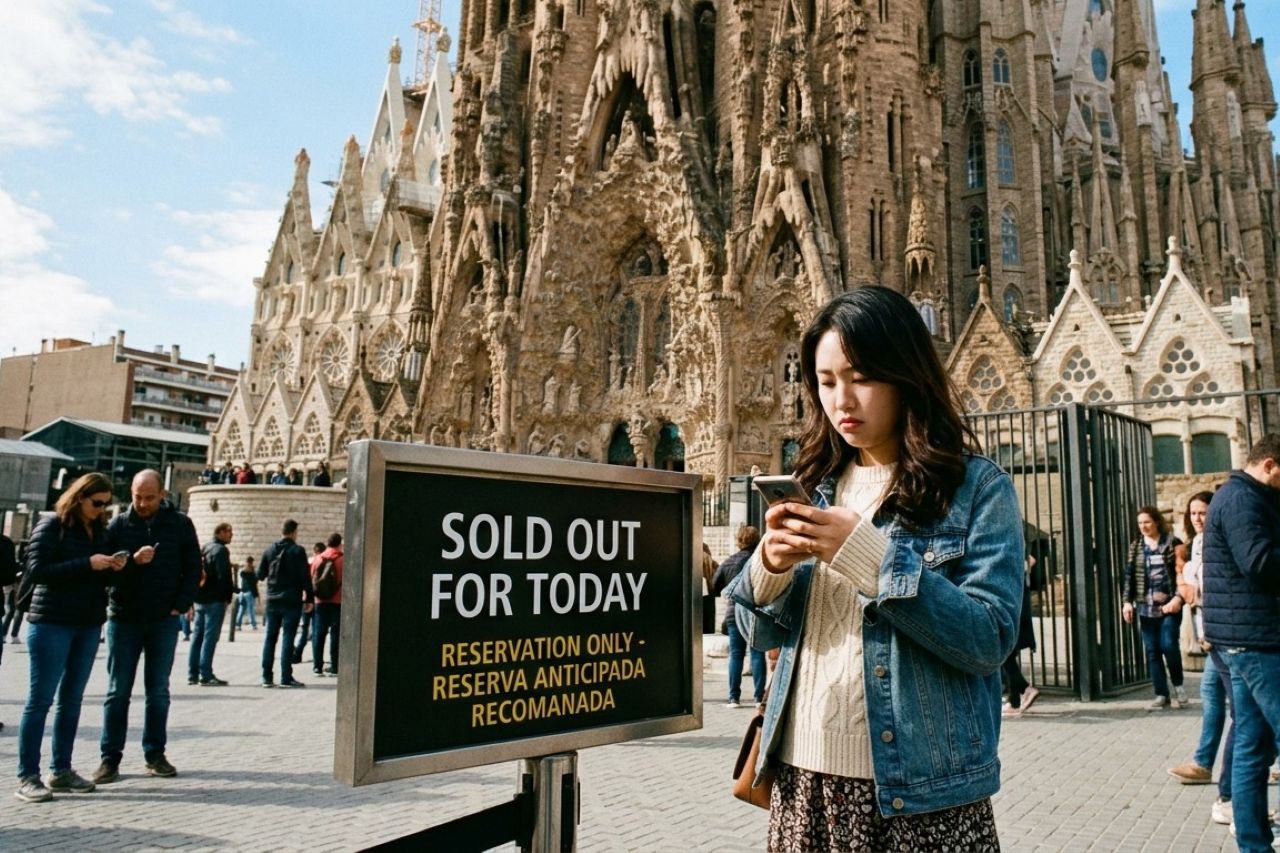
A friend who plans well is pure gold in Europe. As of 2026, many top attractions now operate on a 100% reservation-only basis, and you often need to book train tickets or lodgings at least two to three months in advance if you want to save money.
Missing early-bird fares can mean spending way more and feeling underwhelmed. The “no plan, no problem” attitude doesn’t cut it for European travel—so plan smart.
Do Nothing

The secret finishing touch for any Europe itinerary is empty space.
A schedule jam-packed from 9 a.m. to 9 p.m. will start to wear you down by day three. Many travelers say the most unforgettable moments come when they sit at an outdoor café people-watching or simply wander into a pretty park with no agenda.
Your energy isn’t endless—especially abroad. Try the “3+1 rule”: after three days of sightseeing, give yourself one easy day. Leaving gaps in your plan is how you stumble upon the most beautiful, unexpected streets.
(※Photo source: ⓒInformaticsView)