[Jang Ju-young's Travel Take] The Era of Travel Erasure(?)
…With 'no-kids' zones already stingy, now 'no-trip'—unbelievable
We’re living in a moment when travel is being quietly stripped away — and it’s our kids who feel it most. Official avenues for school trips are getting harder to find. After 'no-kids' zones, the idea of 'no-trip' policies is just jaw-dropping.
Trips have disappeared from schools — elementary, middle, and high schools alike. Many have scrapped picnics and school trips, and some won’t even allow one-day experiential outings. A January report from the Seoul Metropolitan Office of Education on the past three years of field experiences, small-scale themed educational trips (including school trips), and training activities reads like a tough reality check.
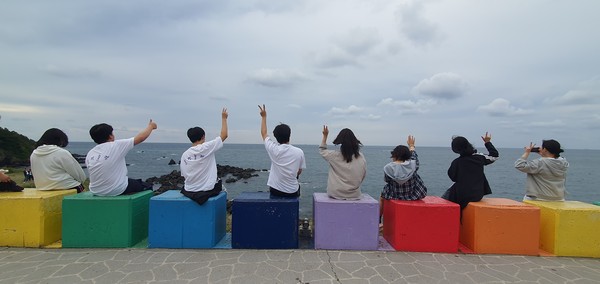
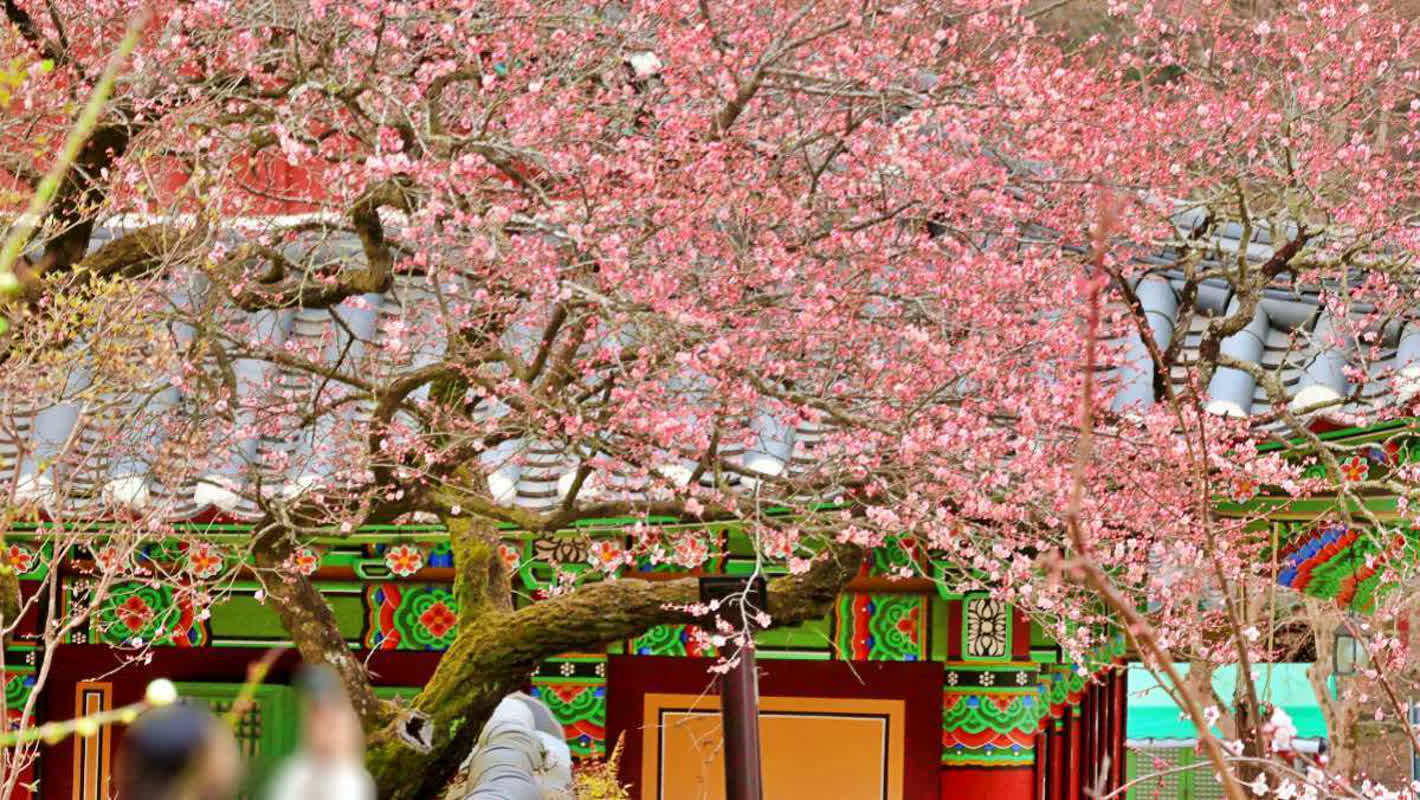
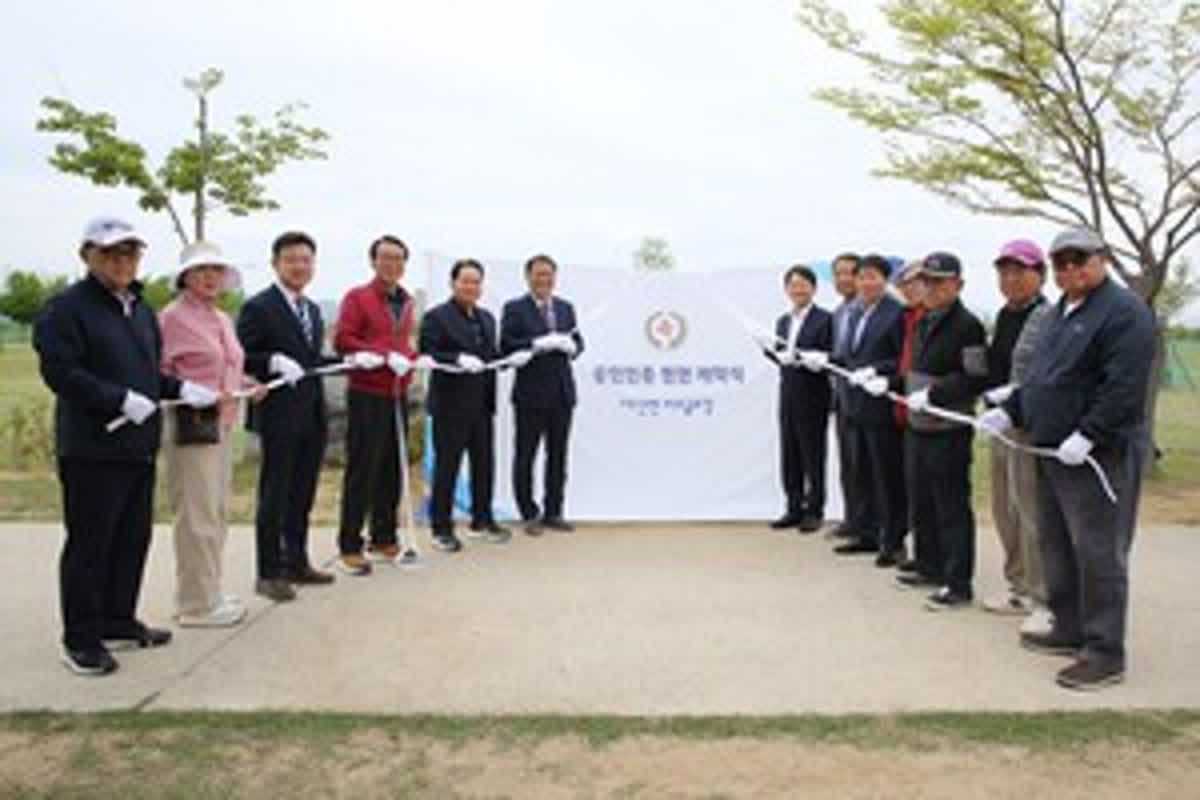
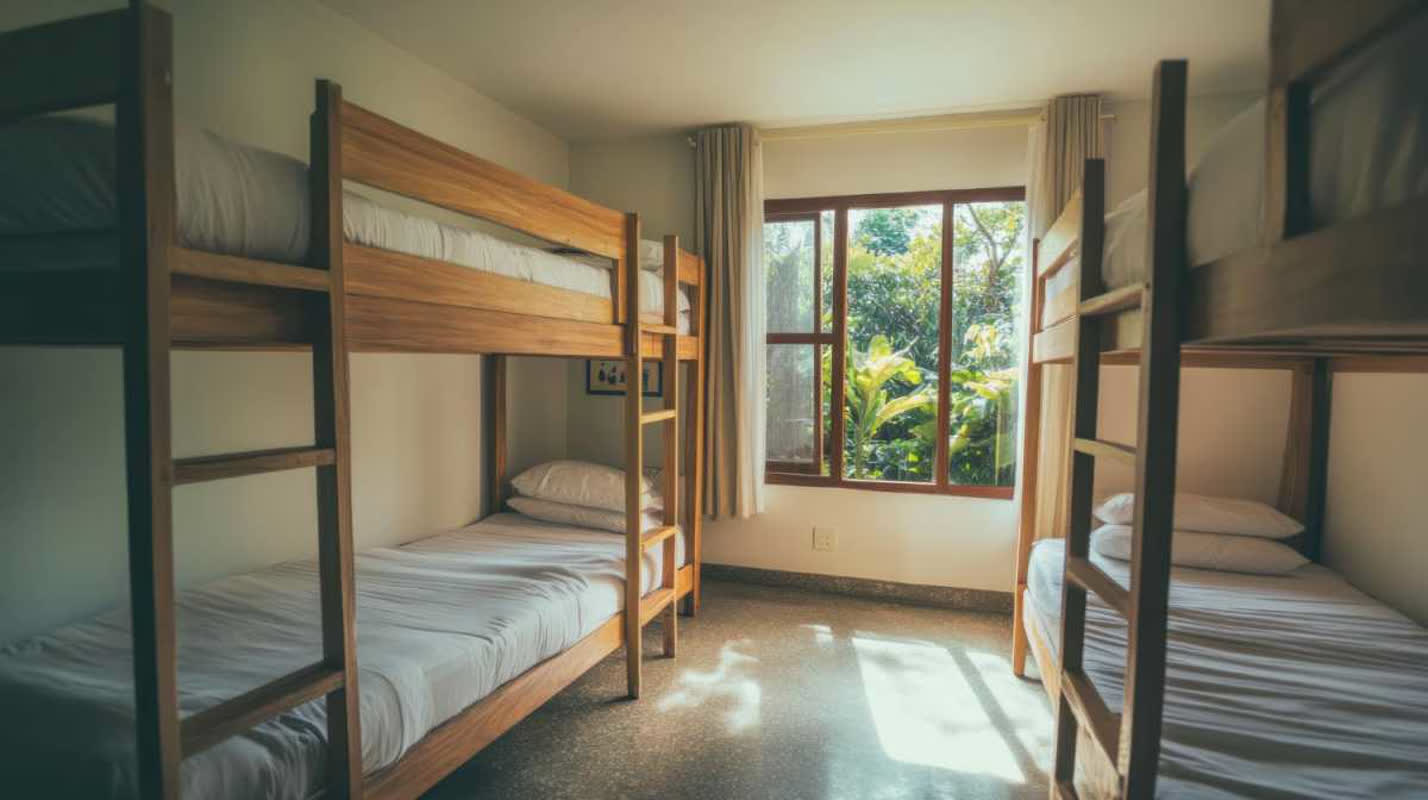
Photo: Busan Buk‑gu Office
Of 605 elementary schools in Seoul, the number running one-day field trips has fallen every year — and the decline is steep. It dropped from 598 schools (98.8%) in 2023 to 478 (79.0%) in 2024, then fell again to 309 schools (51.1%) in 2025 — barely over half.
School trips and training activities show similar drops. Only 41 elementary schools — 6.8% — held school trips, down from 80 schools (13.2%) in 2023 and 42 (6.9%) in 2024. Training activities plunged from 124 schools (20.5%) to 38 (6.3%) and 37 (6.1%) over the same period.
Middle and high schools follow the same trend. Of 388 middle schools, 291 ran one-day field trips last year — 40 fewer than in 2023, when 331 did. At the high-school level, only 173 out of 338 offered one-day field trips last year.
In short, roughly half of elementary and secondary students have been barred from activities that let them explore the world beyond the school gate. Why have we taken away our students’ informal 'travel pass'? Many point to a 2022 field-trip accident in Sokcho, Gangwon Province, where a student died and the court found the supervising teacher guilty of neglecting the duty of care.
After the accident, teachers have been gripped by fear and anger at being held fully responsible, while parents worry about shrinking learning opportunities for their children. It’s turned into a ping-pong match of blame — and the students are the ones who lose out.
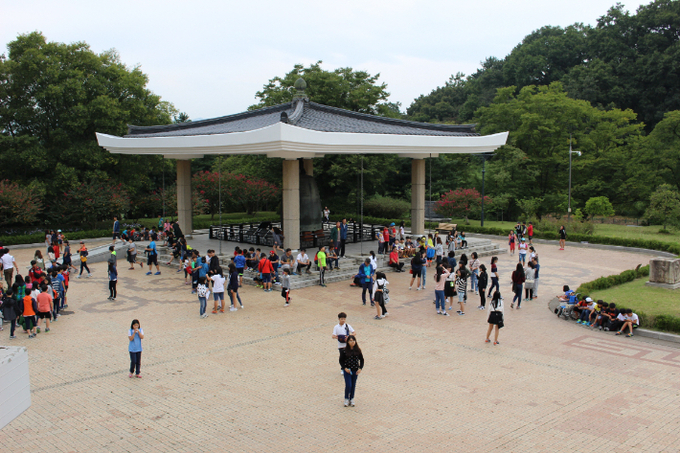
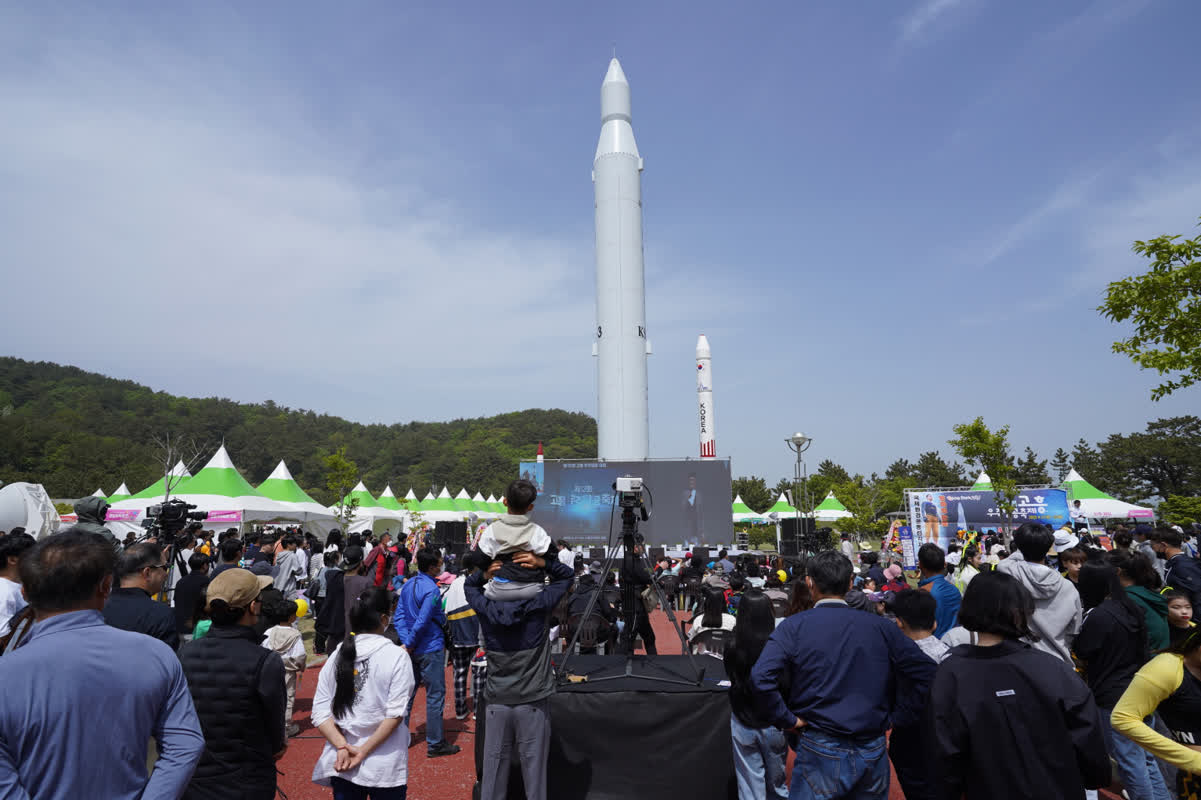
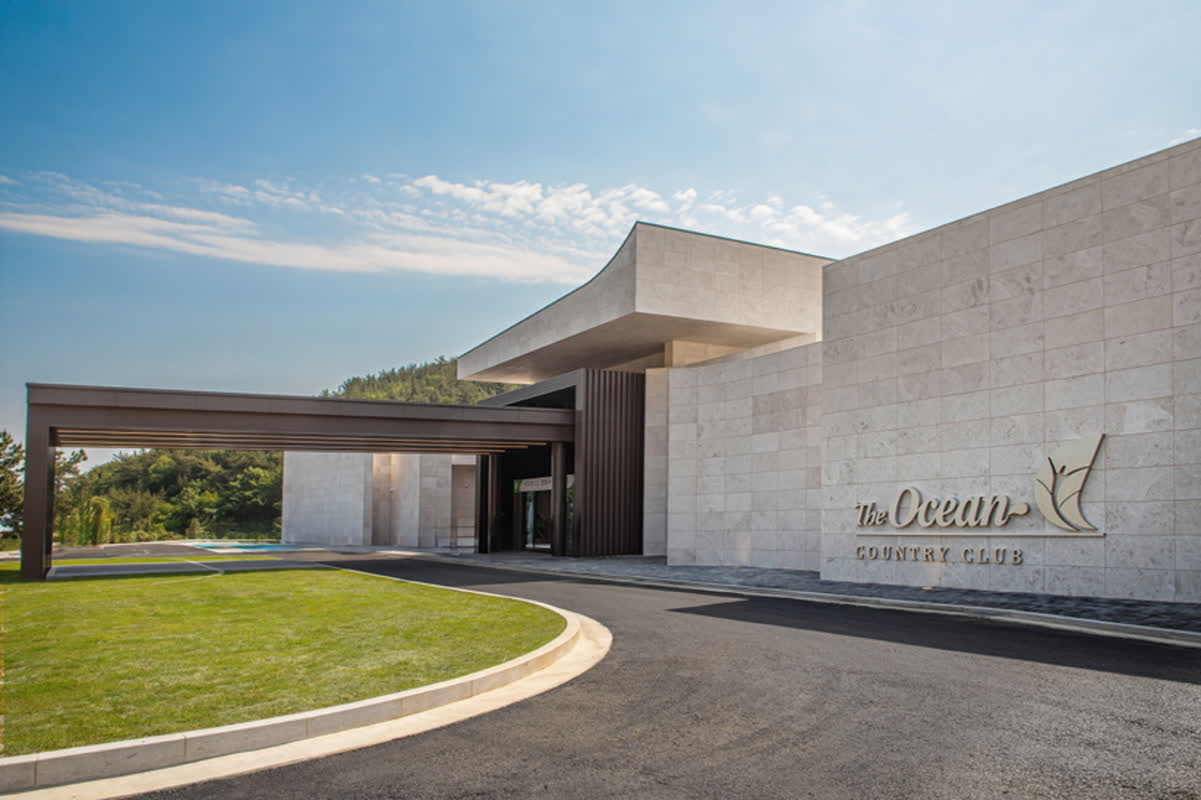
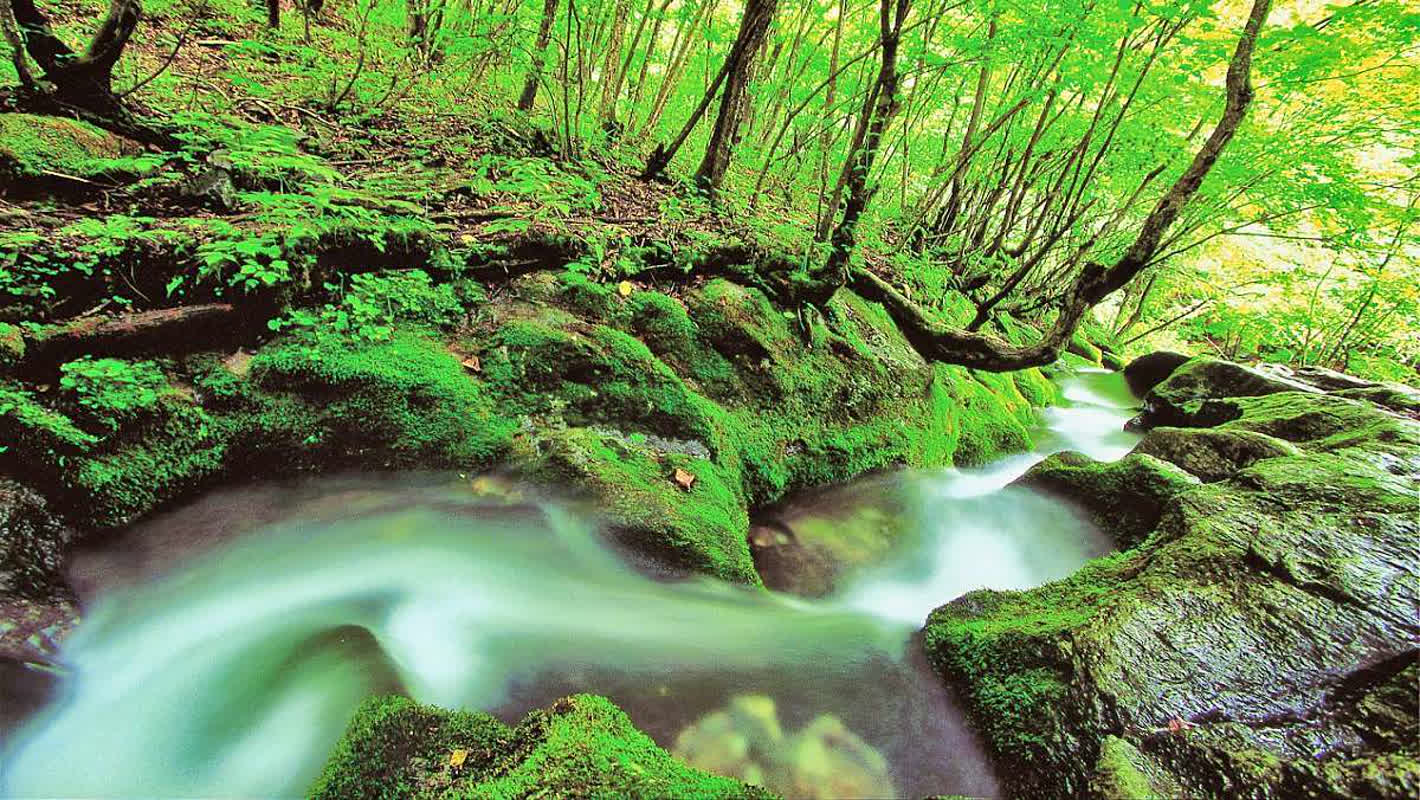
Photo: Gyeongju City
Is there no solution? Not at all. First, schools — the bodies that make final decisions — must lead. If the goal is to ease teachers’ burdens, schools can partner with organizations or companies that specialize in field trips and student travel. Schools should also adopt systems that actively incorporate feedback from parent associations and other stakeholders.
Because safety must come first, strengthening the deployment of safety personnel is essential. Schools should run simulations in advance. Of course, these measures require substantial budget investment — and the Ministry of Education and local education offices need to step up. We should also expect a coordinated response at the national level.
For school efforts to gain traction, both the education and tourism sectors need a shift in mindset. That’s why the Ministry of Culture, Sports and Tourism (MCST) and the Korea Tourism Organization (KTO) — the agencies that steer national tourism — should cooperate. It’s not enough to only shout about attracting 30 million foreign visitors; energizing domestic tourism matters just as much.
Seen broadly, one-day experiential learning and school trips are part of tourism. Those agencies should roll up their sleeves and help build the infrastructure students need for outings. Let’s not forget that today’s students will be the travelers and consumers who sustain tourism in the years ahead.
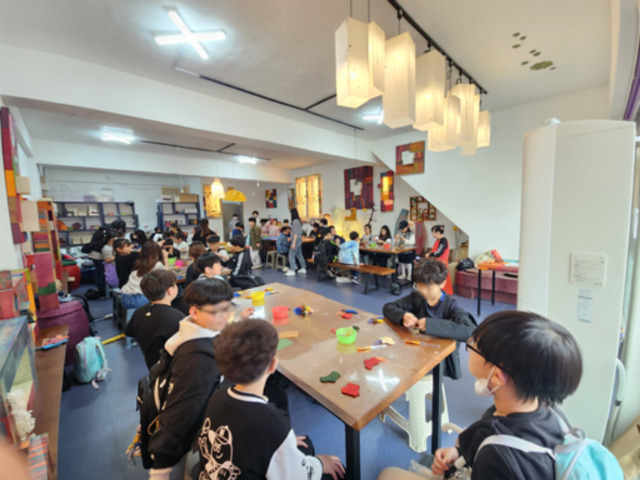
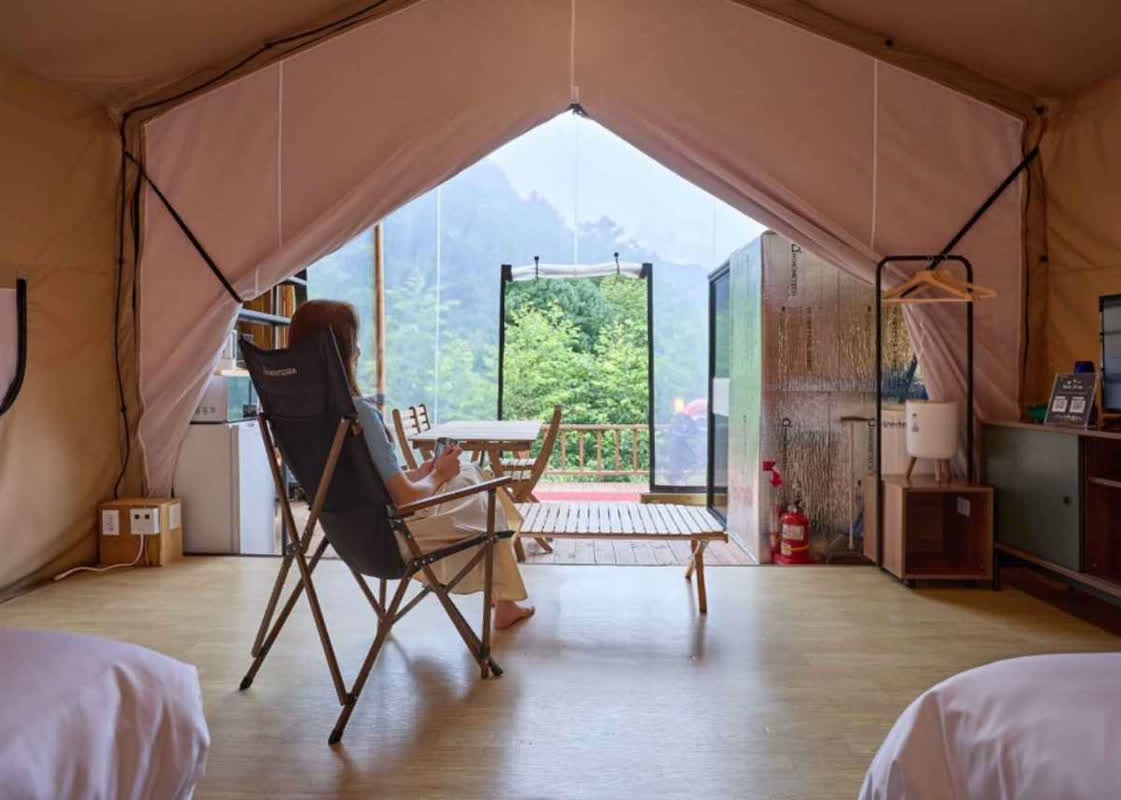
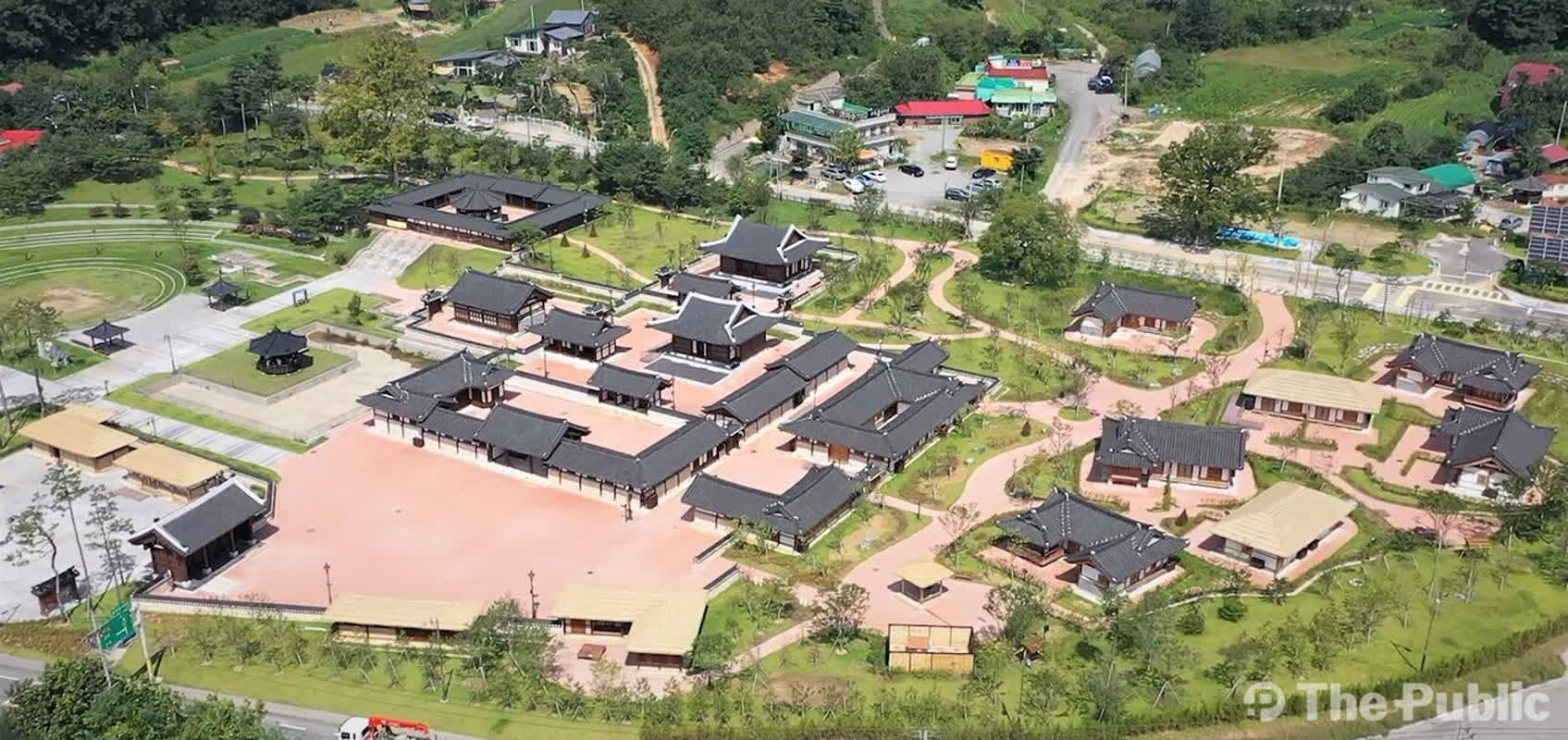
Photo: Incheon Tourism Organization
Why not offer tangible benefits that schools can use, like domestic travel vouchers for educational institutions or full rail-fare refunds for trips to depopulated regions? Inviting foreign students to join Korean students on trips, or recruiting foreign college students living in Korea to help chaperone school trips, could create meaningful cultural exchange.
Think bigger than social classes or industry silos. Expand career-experience programs into travel. Officially program tours of major domestic universities — the way campus tours are big draws in the U.S. — and you might spark students’ curiosity. Or hand the reins to students: let them design the trips they actually want. Maybe travel can offer a much-needed release for kids worn out by exams and rote learning.
These are hopes and simple proposals. Still, the hotter the debate, the more we need to talk. If it doesn’t work the first time, try again — educators, parents, and officials should sit down together for the sake of our children’s emotional growth. You can’t walk without taking that first step, and once you start, solutions follow.
People often criticize intensive early education, but travel is one of the best early-life lessons. Education that traps kids behind desks and blackboards has clear limits. They need to meet the world — not to be roughened, but to grow resilient. I likened blocking travel to watching a monotonous mukbang of sweet potatoes; trust me, going on a trip feels more like savoring a refreshing bowl of dongchimi.
No one sets out on a trip to be unhappy. We pack our bags hoping for happiness, fun, and — if we’re lucky — a little insight. But sometimes travel brings frustrating or painful moments. 'Jang Ju-young’s Travel Take' aims to give a pointed look at various travel-related issues.
No one sets out on a trip to be unhappy. We pack our bags hoping for happiness, fun, and — if we’re lucky — a little insight. But sometimes travel brings frustrating or painful moments. 'Jang Ju-young’s Travel Take' aims to give a pointed look at various travel-related issues.
Jang Ju-young, Travel+ Reporter