Hoshino Resort is repositioning its flagship Guam property, Risonare Guam, as more than just a place to sleep. The company is doubling down on experience-driven stays, blending new facilities with authentic local offerings to reshape how people vacation on the island.
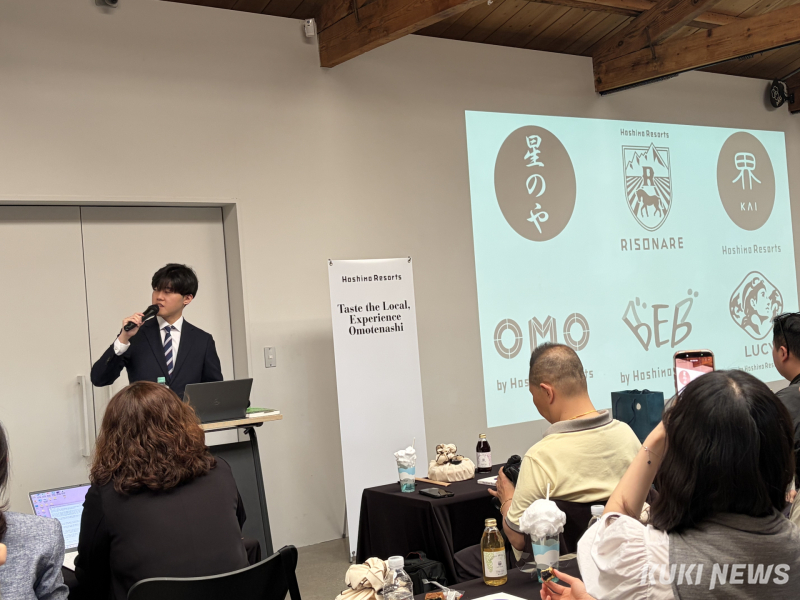
Seunghyun Lee, global marketing manager for Hoshino Resort, told reporters at a media briefing on May 7, “The core values we pursue at Hoshino Resort are community and revitalization. We’re not building another hotel in places that are already thriving. Instead, we focus on restoring value to areas that have potential but have been overlooked or declined.”
He added, “Japanese tourism still concentrates in a few hubs like Tokyo, Osaka and Kyoto, but Japan also boasts 35 national parks and rich natural attractions. That kind of regional concentration isn’t healthy for visitor satisfaction in the long run.”
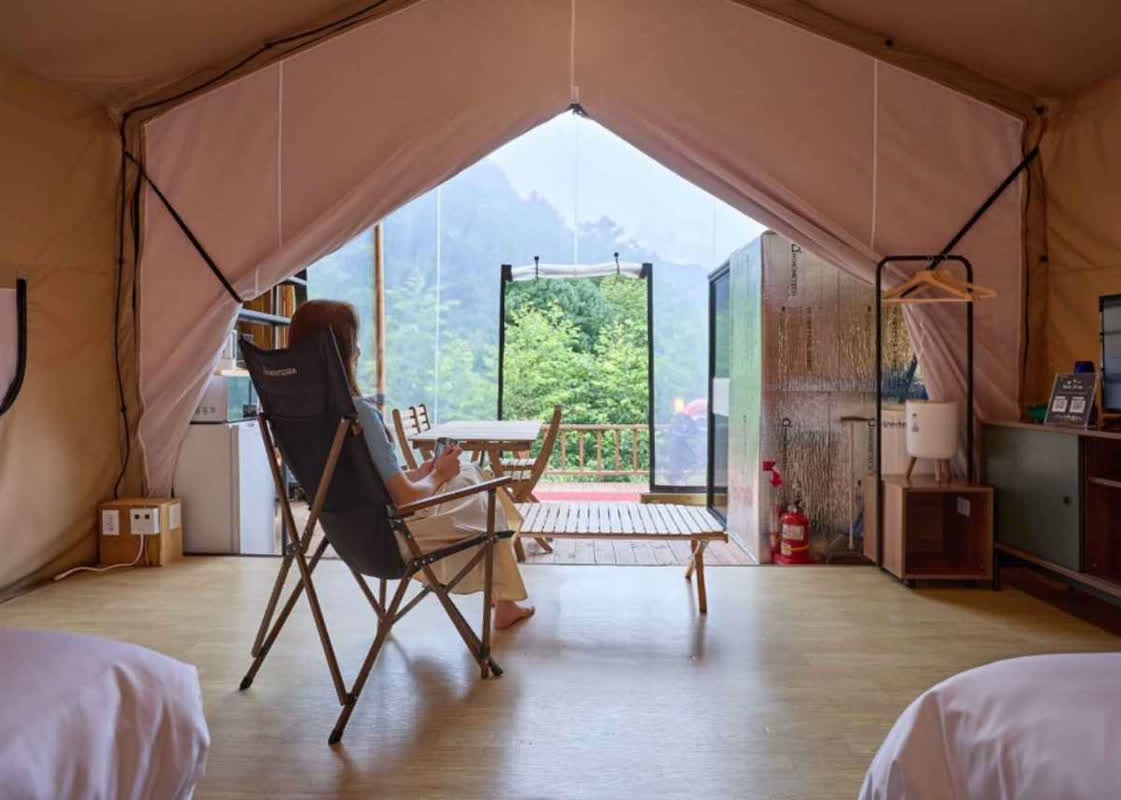
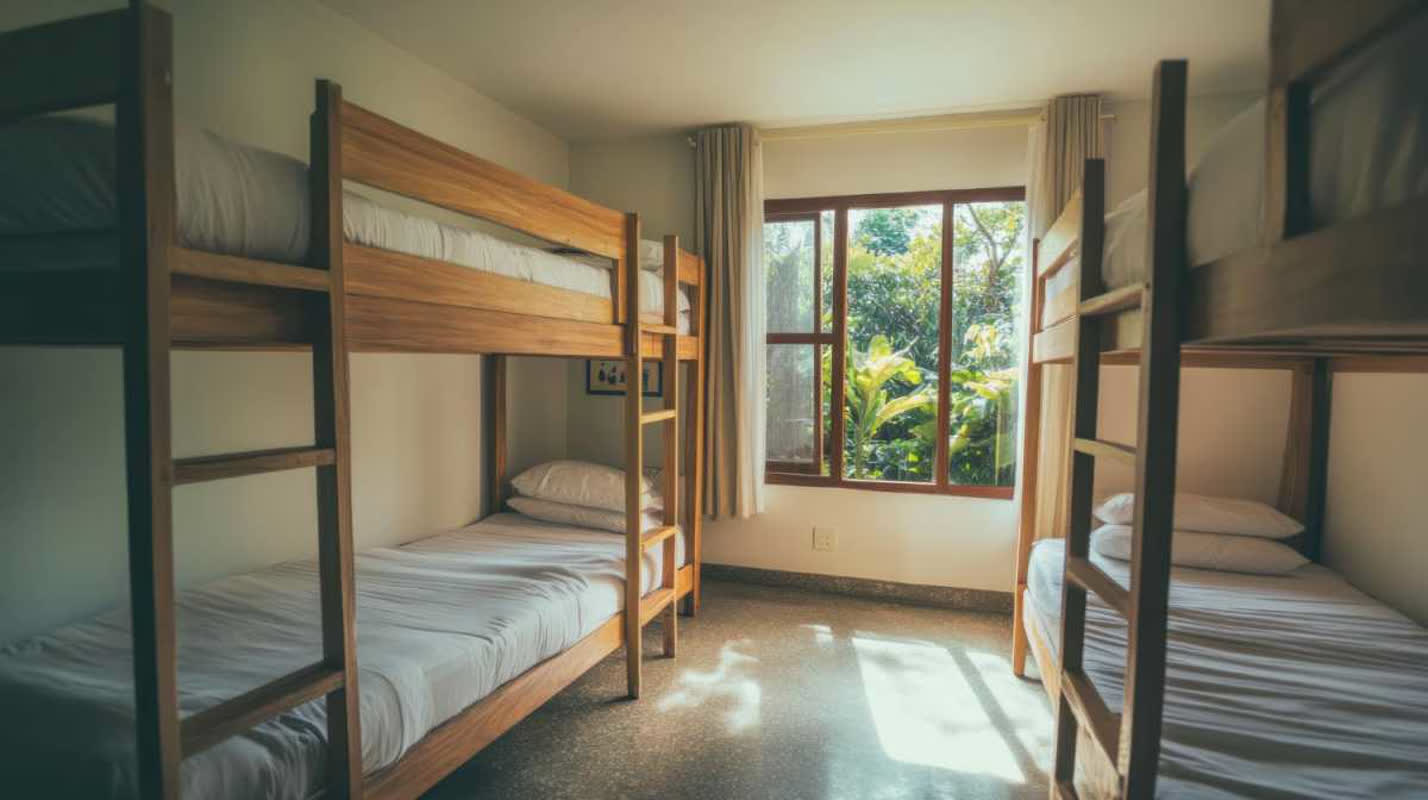
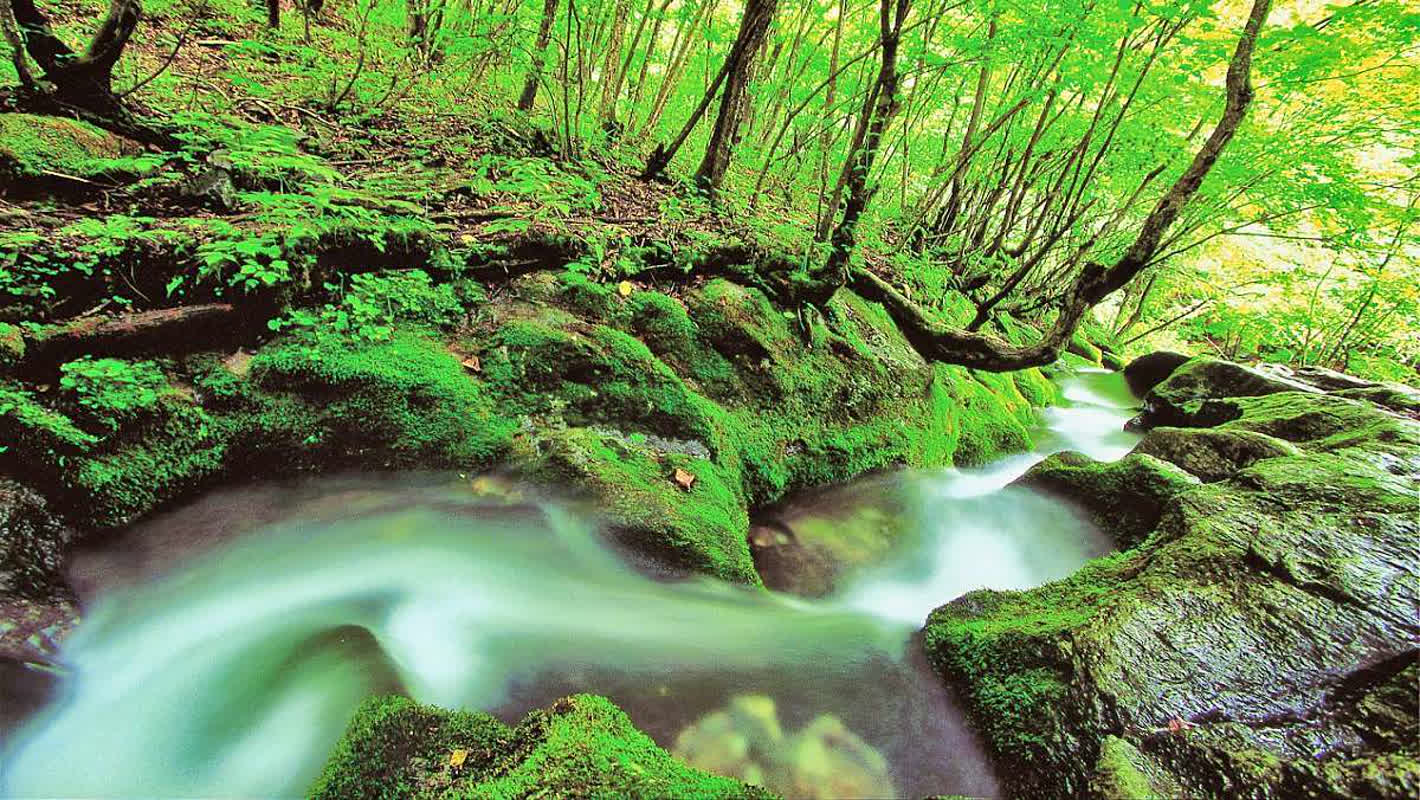
Lee introduced the company’s new brand LUCY, explaining, “There are already 361 mountain lodges in Japan, but many lacked the conveniences modern travelers expect. LUCY was created to remove those pain points and offer comfortable, nature-forward stays.”
He pointed to OMO7 Osaka as a signature example. “Shin-Imamiya, where OMO7 Osaka is located, long had a run-down reputation and the hotel site sat unused for 40 years. We decided that building in Shin-Imamiya — rather than in already busy Umeda or Namba — would do more to support the local economy.”
Lee described how OMO7 Osaka integrates with its neighborhood. The hotel partnered with local shops to bring takoyaki, comedy shows and other neighborhood culture into the guest experience. Locals and visitors alike say the area’s vibe changed after the hotel opened. OMO7 Osaka even ranks among the top three properties by rooms sold to Korean guests, showing how linking a hotel to its community can broaden a city’s appeal.
Hoshino Resort is applying the same philosophy in Guam. Risonare Guam is transforming into an experience-first resort with the year-round dining concept CHO CHO and Guam’s first BEACH CLUB opening this year. The focus is on shaping guests’ movements and the overall stay—designing the experience, not just the rooms and amenities.
CHO CHO will highlight traditional Chamorro dishes alongside local cuisine influenced by Spanish flavors, treating meals as cultural experiences rather than just F&B. The BEACH CLUB, opening in October, will turn the hotel’s private beach into a destination that mixes food, music and activities. Designed to showcase the natural scenery, it aims to stand apart from typical beachfront offerings.
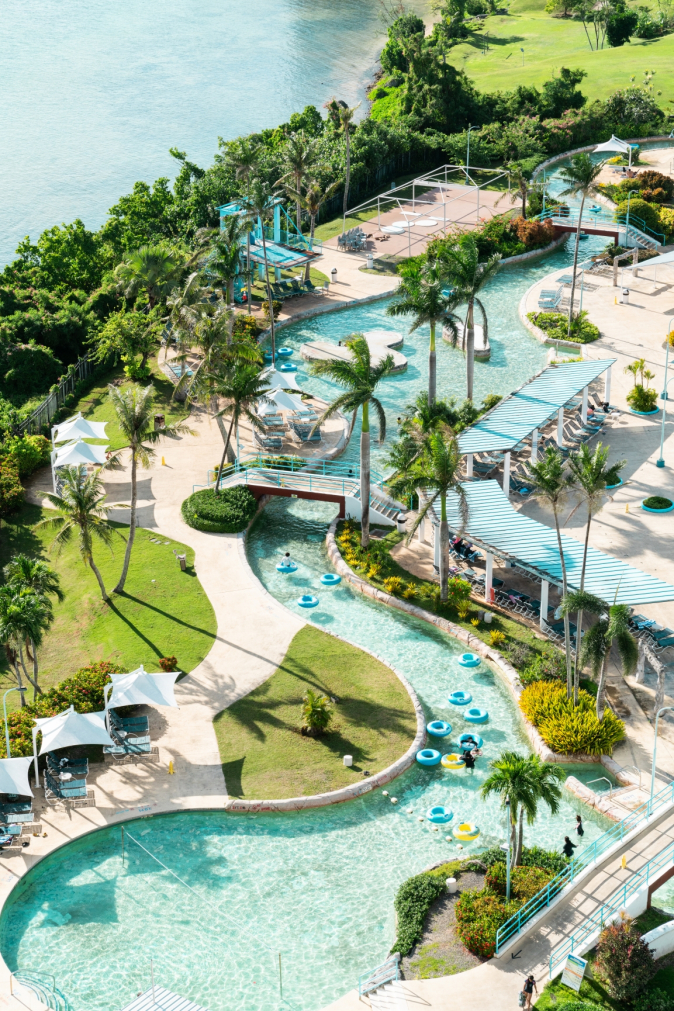
Risonare Guam is also beefing up its hardware: Guam’s largest water park, the Manta slide, and roughly 1.5 times the room capacity of comparable hotels. The resort’s layout intentionally links rooms, the water park, restaurants, the beach club and the shoreline so that moving around the property feels like part of the vacation.
Korean visitor numbers are climbing. According to Hoshino Resort’s internal data, Korean guest nights rose about 19% in 2025 versus the prior year. As of April, bookings for 2026 were up roughly 35% year over year, and reservations for next year have already reached about 81% of this year’s total bookings.
Top draws among Korean guests include Hoshino Resort Tomamu, Hoshinoya Okinawa and OMO7 Osaka. Reservations for regionally focused, experience-led properties such as Risonare Kohamajima, Kai Akiu and OMO5 Hakodate have also surged recently.
Hoshino Resort plans to keep expanding. Between 2025 and 2026, it will open Risonare Shimonoseki; OMO5 Yokohama Bashamichi; OMO7 Yokohama; Kai Kusatsu; Kai Miyajima; Kai Zao; and BEB5 Mojiko. The company is also advancing its first authentic North American ryokan project, Sharon Springs, targeting a 2028 opening.
A Hoshino Resort representative said the company plans to introduce a Japanese-style ryokan and wellness experience near New York, combining traditional Eastern healing culture with local market tastes.