Ever thought, “I don’t want to go far this weekend, but I could use a little reset”? A perfect option is a museum hop around Gyeonggi Province. These spots don’t hinge on the weather, involve just a comfortable amount of walking, and somehow leave your head a little clearer when you walk out.
Today I’m tying together four contemporary art venues in Ansan, Gwacheon, Paju, and Yangju. With a lineup that spans water and light, music and architecture, and even intimate looks into artists’ lives, you might find yourself saying, “Let’s just do the Gyeonggi museum circuit this weekend.”
Gyeonggi Museum of Art, Ansan
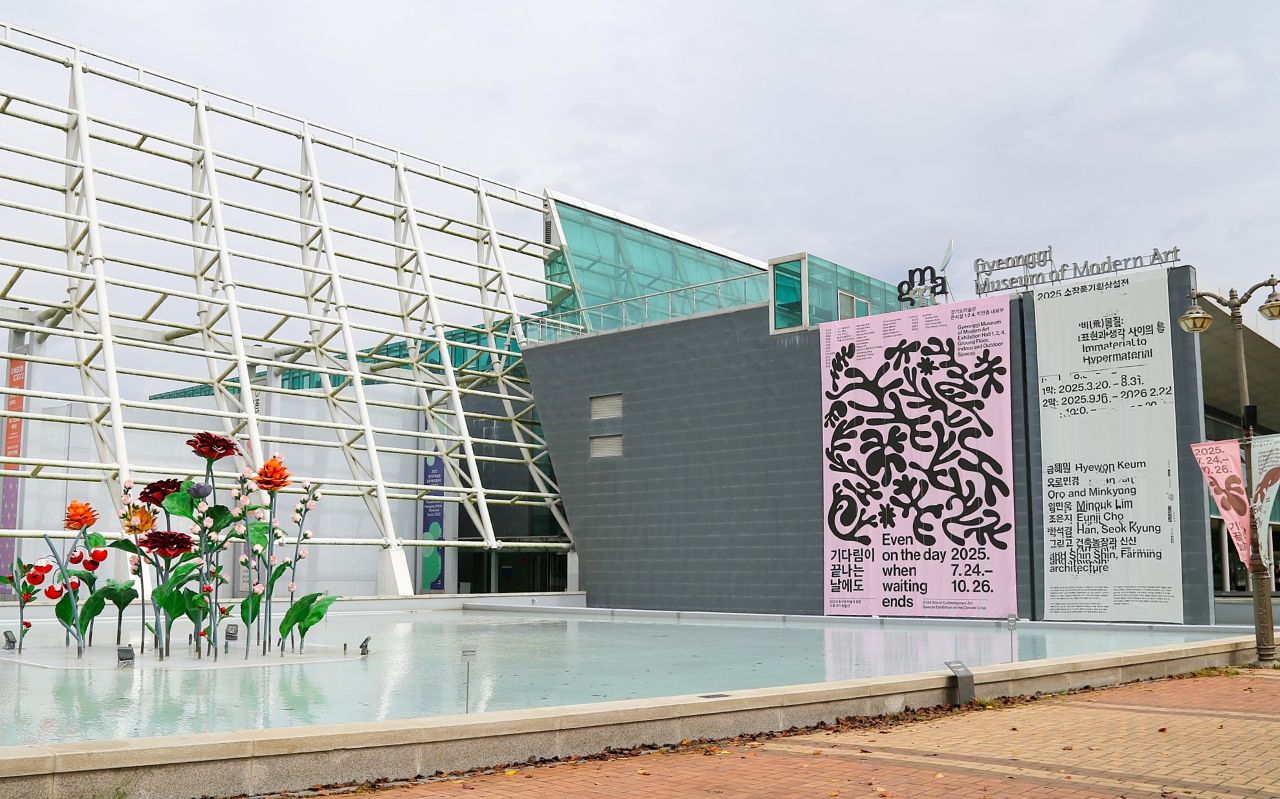
Sitting in the middle of Ansan Hwarang Park, the Gyeonggi Museum of Art feels woven into its setting—lake, lawns, and walking paths all around. From afar, the glass façade and gently sloped roof make it look like a boat tied up on the water, and the planted rooftop blends naturally into the surrounding hills.
2026 marks the museum’s 20th anniversary. To celebrate, it’s running a special exhibition, Flowing and Accumulating, that revisits about 120 collection works alongside the permanent show Stopping to Look. By bringing the museum’s “face”—its collection—back into focus, the shows calmly ask what these works mean for us today. Wander through slowly and you’ll find yourself thinking about what we’ve been doing and what we want going forward.
The outdoor sculpture park also hosts regional projects like PomPomPom and participatory exhibitions, so it’s fun to return across the seasons. The museum is open Tuesday–Sunday, 10:00 a.m.–6:00 p.m., and admission is free—an easy stop if you’re near Ansan, Siheung, or Suwon.
Travel tip
Pair it with a stroll along Hwarang Lake for a 1–2 hour outing. The museum runs guided tours and timed programs, so check the website before you go to get the most out of your visit.
K&L Museum, Gwacheon
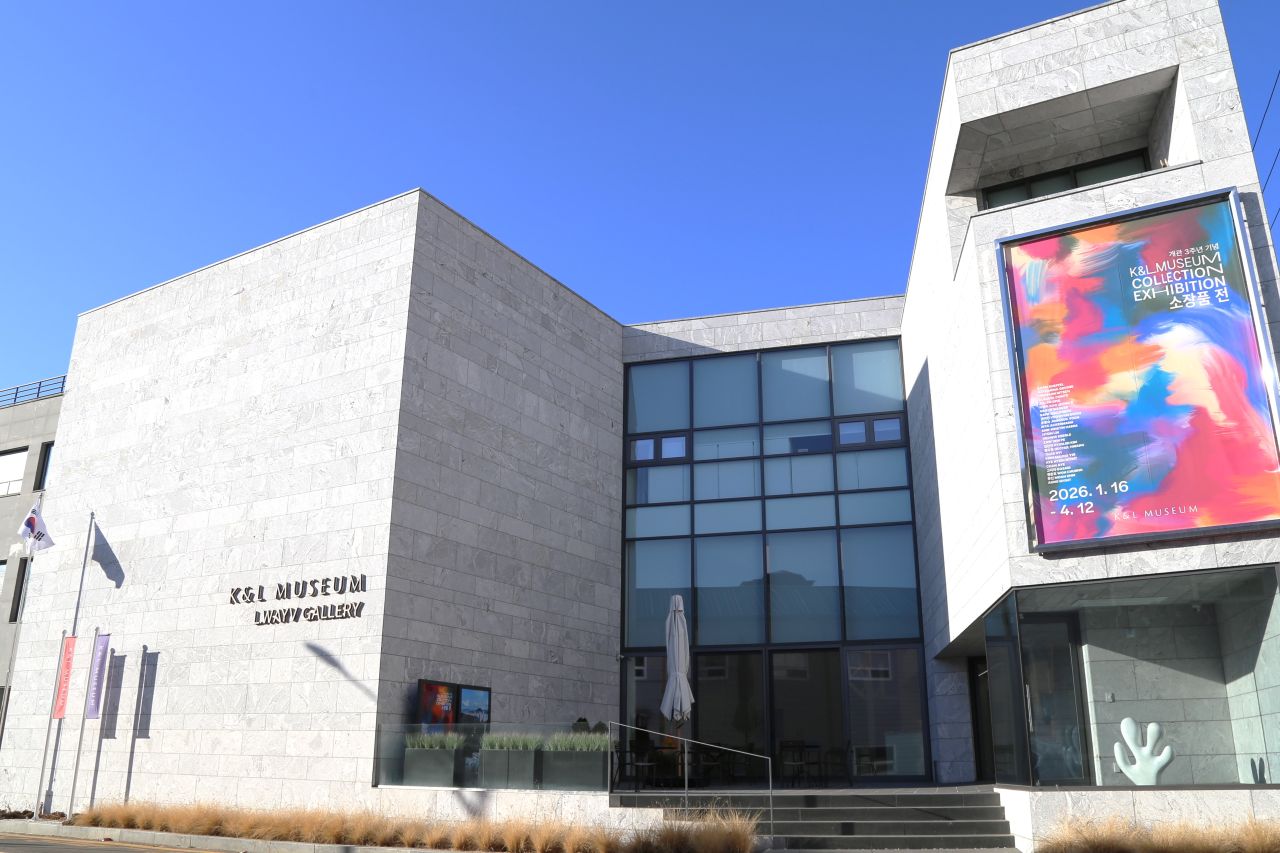
Head up the slope near Seoul Grand Park and Let’s Run Park Seoul, and you’ll discover the K&L Museum tucked into a quiet valley. The moment you leave the city noise behind, the air feels different. Music is central here: Wagner operas gently fill the galleries, and the founder collected with the belief that many painters’ first sparks come from music.
The museum spans three above-ground floors and one below, and it regularly stages collection shows focused on modern and contemporary painting, sculpture, and photography. After a 2025 exhibit marking its third anniversary, the museum will continue spotlighting long-term collection artists through 2026.
Right next door, the K&L Library displays prints by Spanish masters like Salvador Dalí, Pablo Picasso, Joan Miró, and Francisco Goya, and you can enjoy books and art with wine or other beverages. The museum is open 10:00 a.m.–6:00 p.m., closed on Mondays. Admission is about 6,000 KRW (approximately $4.50) for adults and 3,000 KRW (approximately $2.25) for teens.
Travel tip
If you want a deeper dive, reserve a private tour with a curator in advance for a slow, detailed walkthrough. You can also combine this visit with the National Gwacheon Science Museum or the National Museum of Modern and Contemporary Art, Gwacheon, for a full-day cultural route.
Mimesis Art Museum, Paju
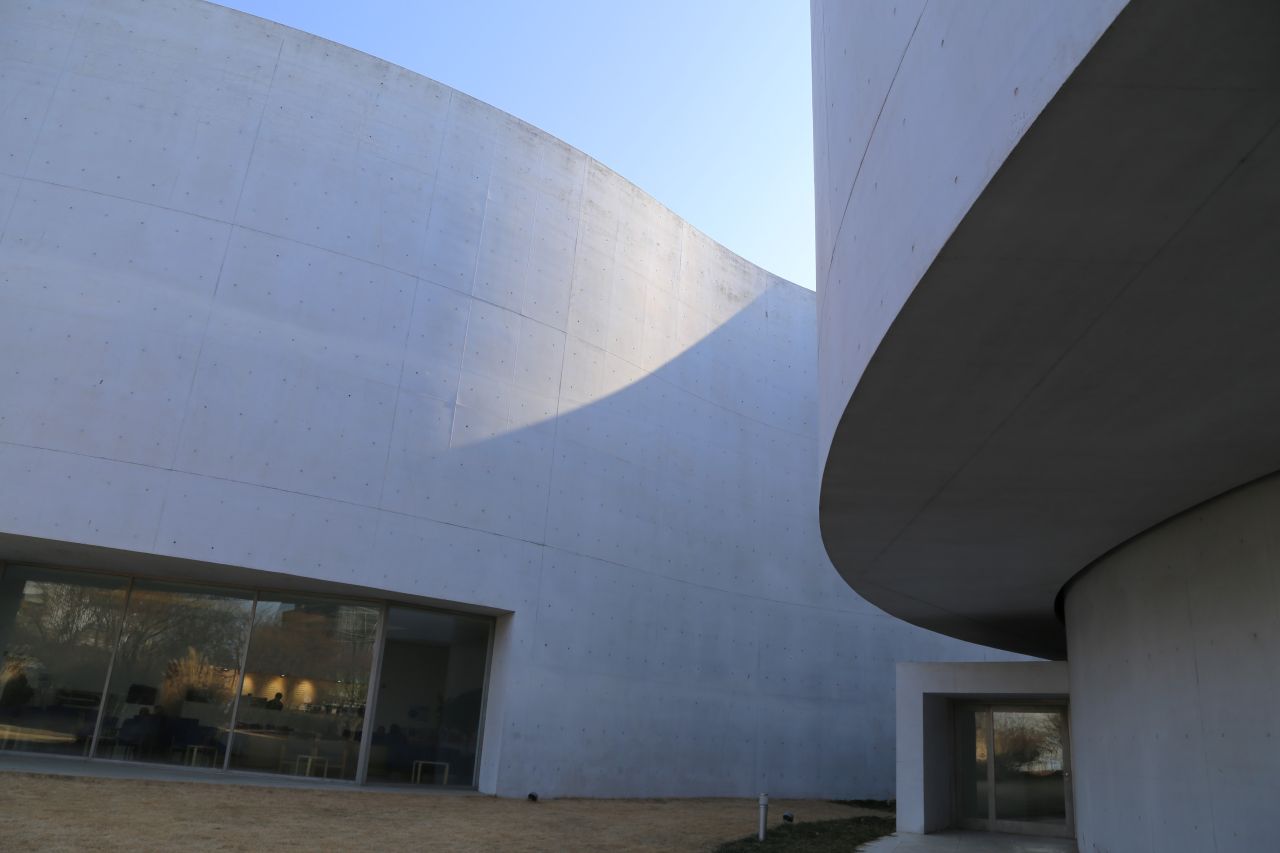
On the road to Paju Book City, a gray, streamlined building signals the Mimesis Art Museum. Designed by acclaimed Portuguese architect Álvaro Siza, the museum feels like an answer to the question of how concrete can be softened into something almost sculptural.
From outside, two massive concrete forms spread like wings; inside, natural light pours over the white galleries, giving the spaces a different mood with each hour.
Mimesis started as the arts imprint of the publisher Open Books and has evolved into a hybrid cultural hub of architecture, art, and publishing. At the first-floor book café you can read while gazing out at the surrounding scenery, or head to the third-floor viewing area to watch the two wings meet and simply appreciate the architecture.
The museum programs concentrate on contemporary painting, photography, and installation. In early 2026 it will present Drama, a themed show about portraiture, emotion, and narrative. Summer hours (May–October) are 10:00 a.m.–7:00 p.m.; winter hours (November–April) are 9:00 a.m.–6:00 p.m. It operates year-round without regular closed days. Admission is about 10,000 KRW (approximately $7.50) for adults, 8,000 KRW (approximately $6.00) for middle and high school students, and 5,000 KRW (approximately $3.75) for elementary students.
Travel tip
Mimesis has several photo spots called “Wing,” “Canvas,” and “Lookout.” If you love architecture, check the museum’s recommended vantage points on the website before you go. Afterward, consider adding Wisdom Forest, Heyri Art Village, or a Book City café to your itinerary.
Jang Wook-jin Museum (Yangju City)
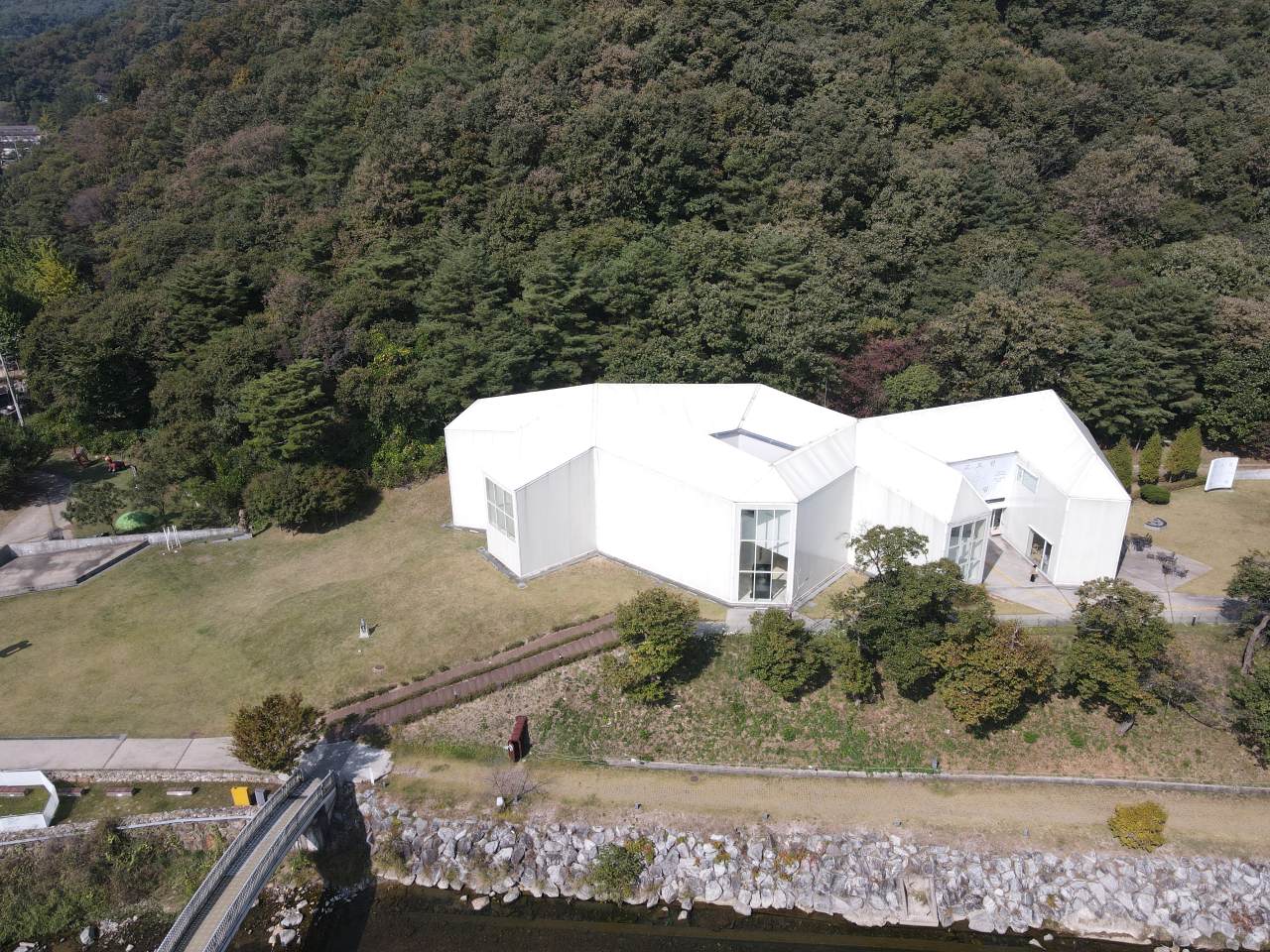
Finally, the Jang Wook-jin Museum perches in the forest above Jangheung Valley. From a distance the building looks like a crouching tiger—a design inspired by Jang Wook-jin’s signature painting Ho-Jak-Do.
The museum is organized around a central courtyard with rooms clustered around it, so moving through the galleries feels like slowly exploring the artist’s studio and home. The attic-like second-floor rooms have low, cozy ceilings that are perfect for lingering over small works at close range.
At first glance Jang Wook-jin’s paintings seem childlike in their simplicity, but a closer look reveals mountains, houses, animals, and people quietly sharing the same picture plane. The museum shows the artist’s paintings and drawings alongside murals and artifacts moved from his living spaces, giving a fuller sense of his life and practice.
The museum is open Tuesday–Sunday, 10:00 a.m.–6:00 p.m. (last admission 5:00 p.m.), and closed on Mondays and major holidays. Admission is 5,000 KRW (approximately $3.75) for adults and 1,000 KRW (approximately $0.75) for children. The Yangju Min Bok-jin Museum across the street is included in the visit at no extra charge, so you can enjoy sculpture and painting in one go.
Travel tip
Because the museum is close to Jangheung Arboretum and the Hoeamsa Temple Archaeological Museum, try a morning of museum and arboretum visits followed by an afternoon walk in the valley for a perfectly balanced day of art, trees, and water.
(※Photo credits: ⓒGyeonggi Tourism Organization)