
Europe’s neighboring countries are stitched together by a dense, web-like transport network. That gives independent travelers freedom to pick the mode that saves time or maximizes comfort. But when options multiply, decision paralysis is real.
How you get from A to B affects more than arrival—it shapes your budget, your energy levels, and how much you can actually see. Below, we break down the pros and cons of each option so you can pick the best way to travel between European cities based on your priorities.
1. Train travel in Europe
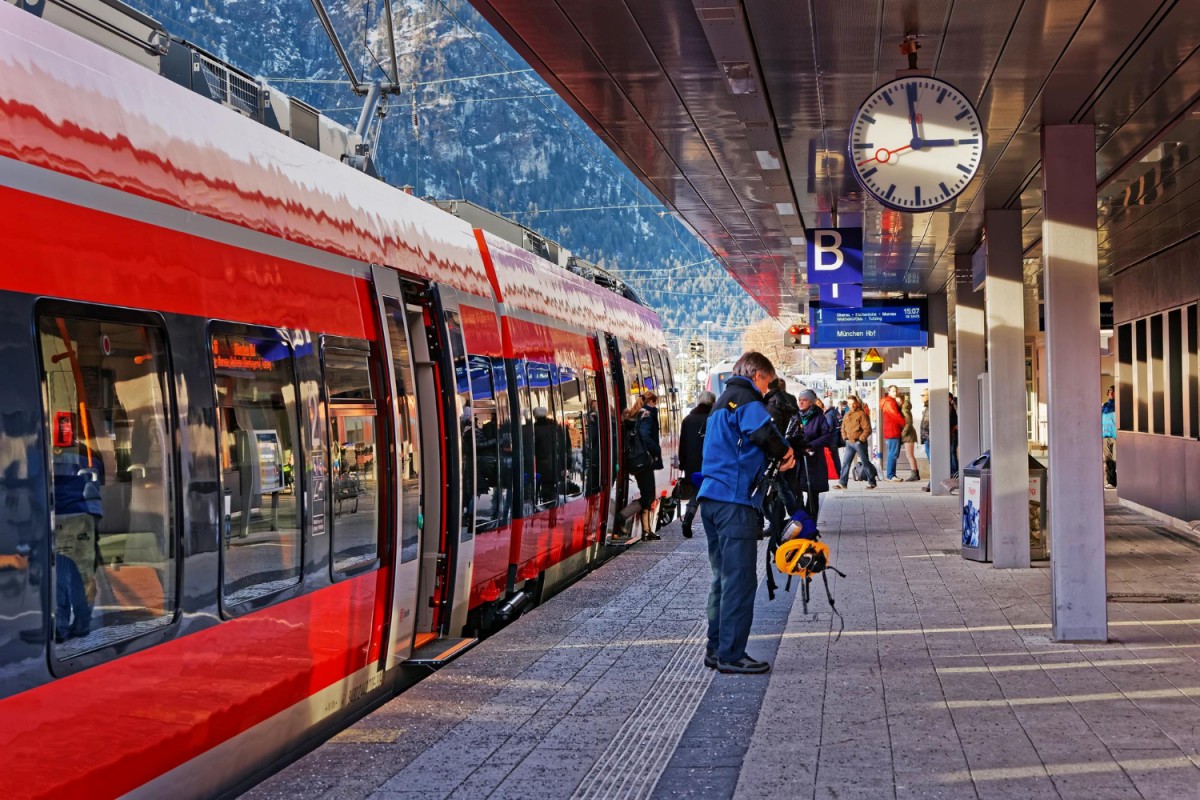
Trains are the go-to choice for many independent travelers in Europe. The continent’s rail network—often accessed via a Eurail pass—forms the backbone of cross-border and intercity travel. A big perk: most stations sit in city centers, so you skip long transfers to and from airports and save both time and money. Trains are also generous with luggage rules compared to airlines.
Only on a train can you truly drink in rolling countrysides and coastal views. High-speed services like TGV, ICE, Eurostar, and Italo link major cities in just a few hours. Note that popular routes and high-speed trains often require advance reservations and may charge extra. If your dates are set, book ahead. Night trains with sleepers are staging a stylish comeback, letting you combine travel and overnight lodging in one.
2. Long-distance buses in Europe
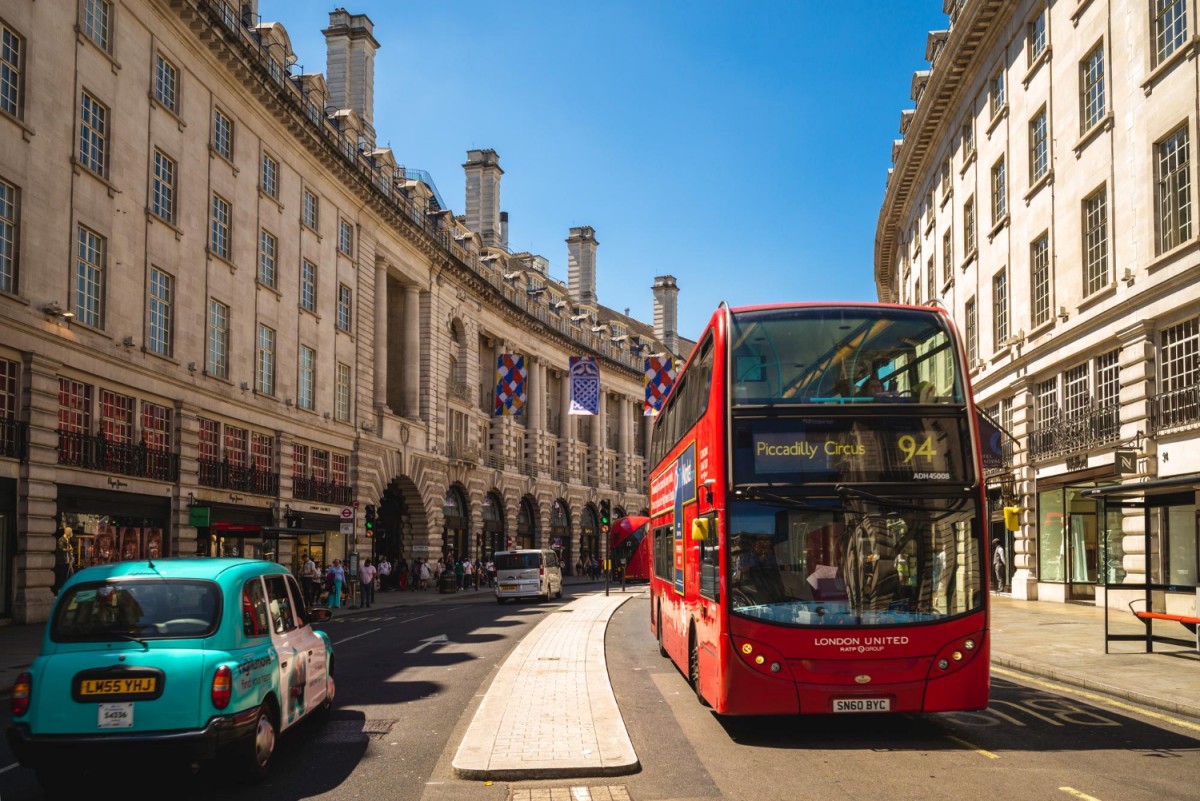
If your wallet’s tight but you’ve got time, long-distance buses are a smart choice. Operators like FlixBus and RegioJet link cities across Europe. Buses win on price: when train fares spike during peak season or for last-minute trips, buses often stay budget-friendly. They also reach remote towns trains don’t, giving you routing flexibility.
Modern coaches often include Wi‑Fi, charging ports, and onboard restrooms—much comfier than older models. Night buses can save you a night’s accommodation, which is why many budget travelers favor them. Downsides: traffic can delay arrival, and long hours in narrow seats are more tiring than trains. Keep an eye on your luggage during stops and always confirm the vehicle number and departure time at rest-area breaks.
3. Budget flights in Europe

For long-haul hops across countries, Europe’s budget airlines are often the fastest and most efficient option. Carriers like Ryanair, easyJet, and Vueling can be cheaper than trains or buses when you play by their rules. Flights of one to two hours minimize travel fatigue on long transfers between far-apart destinations.
Watch out for hidden costs: ticket prices can look great until checked-bag fees, seat selection, and other extras pile on. Low-cost carriers often use secondary airports far from city centers; once you factor in shuttles and transfer time, a train can sometimes be faster. Airlines may levy extra fees if you skip online check-in and enforce strict security rules for liquids. Budget flights are best for light packers or when you’re crossing distances impractical by land.
4. Ferries

If you’re island-hopping in Greece or exploring the Baltic coast, ferries are essential. Ferries connect islands to the mainland—and they often feel like a mini-trip themselves. Think Athens to Santorini, Tallinn to Helsinki, or hopping between Croatia’s islands.
Ferries let you enjoy sea sunrises and sunsets, fresh ocean air, and—if you’re lucky—marine life sightings. But rough seas can trigger motion sickness, and weather can delay or cancel sailings. Ports are often outside city centers, so check onward transport in advance.
5. How to choose

Choose the mode that fits your situation. First: consider distance and travel time. For trips under about 3–4 hours, trains or buses are usually the best value; for journeys of around 7 hours or more, consider budget flights. Second: check where your accommodation sits relative to stations and airports.
Trains usually reduce overall travel fatigue since stations are typically in city centers. Flights may have short airborne time but can end up longer once you add airport transfers, security, and baggage waits. Third: think about luggage.
If you’re hauling big suitcases or plan to shop a lot, trains are far easier. If you travel light with a backpack, budget airlines or buses work well. Remember: low-cost carriers enforce strict baggage rules, which can wipe out any savings. Finally, match transport to your travel style. Want scenic views? Take the train. Want to save money? Take the bus. Need to save time? Fly budget. Europe has many options—set clear priorities, and picking the right one becomes simple.