Tashkent, Uzbekistan’s capital and the gateway to the Central Asian Silk Road, is a city of contrasts where Soviet relics meet contemporary life. Broad boulevards, green parks, lively bazaars, modern cafés and striking Soviet architecture come together to create a vibe that’s both exotic and utterly lived-in.
While Samarkand and Bukhara lure visitors with their iconic blue domes and ancient monuments, Tashkent feels like a city that’s still very much alive. Its real personality shows in locals browsing markets, strolling through parks and lingering over coffee in neighborhood cafés.
This easygoing one-day route centers on downtown Tashkent, linking a traditional market, the city park, the Soviet-era metro and cozy local cafés. It’s not about ticking off landmarks—walk at the city’s pace and you’ll feel what everyday life in Tashkent is really like.
01 Chorsu Bazaar Chorsu Bazaar (Chorsu Market) |
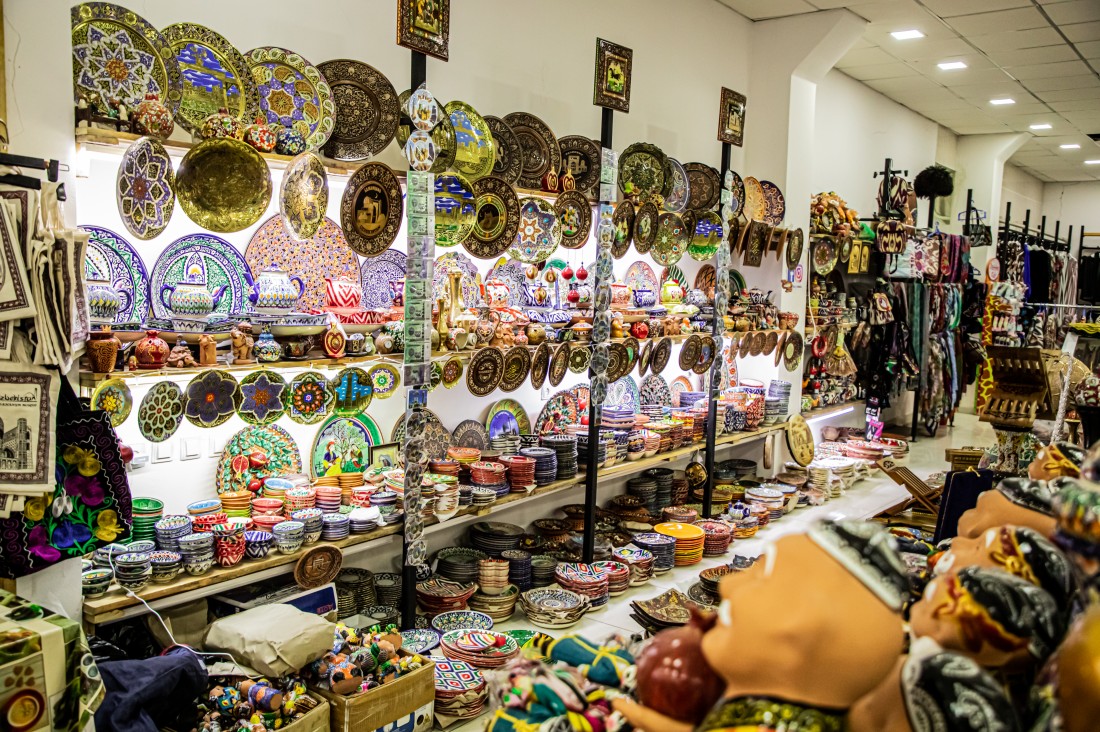
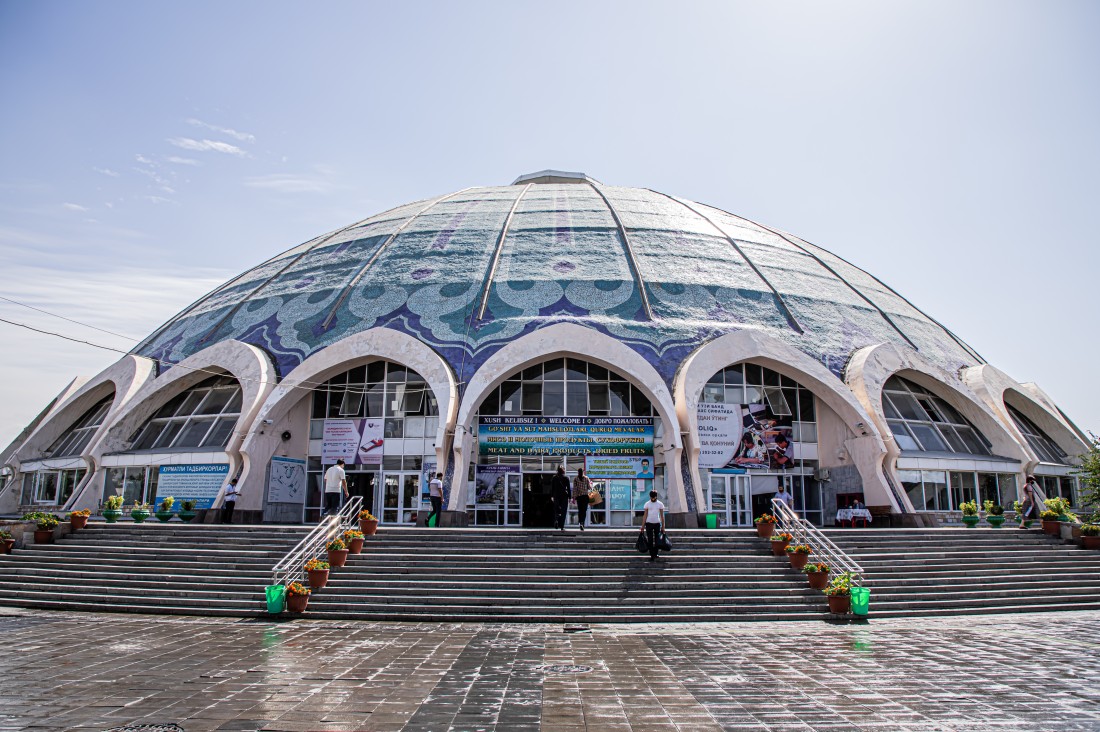
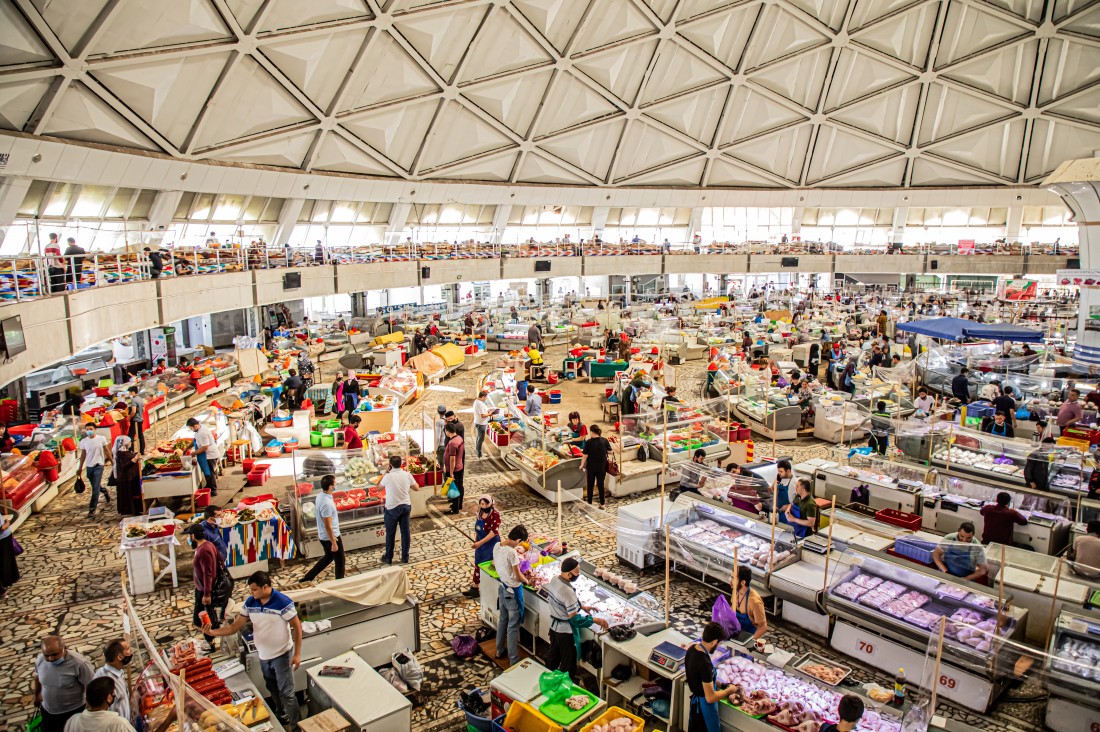
Photo: Uzbekistan Tourism website Copyright © 2018-2026 National PR-centre
Chorsu Bazaar, the bustling market at the heart of Tashkent’s old town, centers around a distinctive blue-domed building and spills out into a vast open-air bazaar. You can find everything here—vegetables, fruit, nuts, spices, bread, clothing and household goods—so locals affectionately call it “Tashkent’s kitchen.” Inside the round hall, bread and meat stalls occupy the center while dairy, spices and dried fruit are grouped around the perimeter, giving you a front-row view of everyday shopping.
Street food is a highlight here—think crunchy samosas, smoky shashlik skewers, fresh fruit juice and hot flatbread (non)—all at wallet-friendly prices. Bargaining is common, though travelers say trimming more than 10–20% off a price can be tough. The market hours are: Sunday 4:30–21:00; Monday–Thursday and Saturday 5:00–20:15; Friday 5:00–20:15. Mornings are best for fresher produce and smaller crowds.
Expect to pay about 10,000–20,000 som for a bag of fruit, a loaf of bread or a quick snack (approximately 1,300–2,600 KRW, about $0.98–$1.95), and around 30,000 som for a simple local meal (approximately 3,900 KRW, about $2.93). TripAdvisor and travel blogs rave about the market’s energy and fresh produce—calling it a must for experiencing local life and a great spot for photos—while also advising caution about pickpockets and noting local hygiene standards.
02 Tashkent City Park Tashkent City Park |
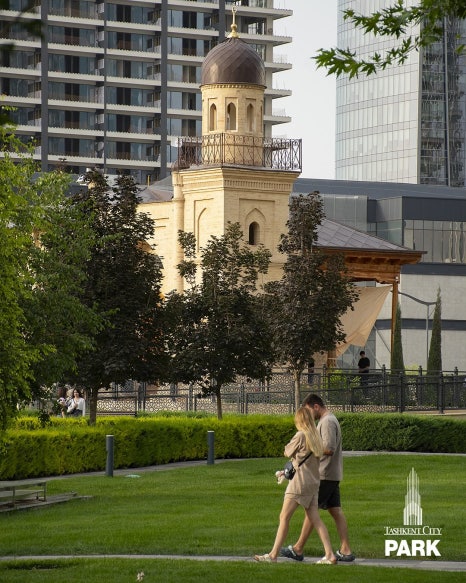
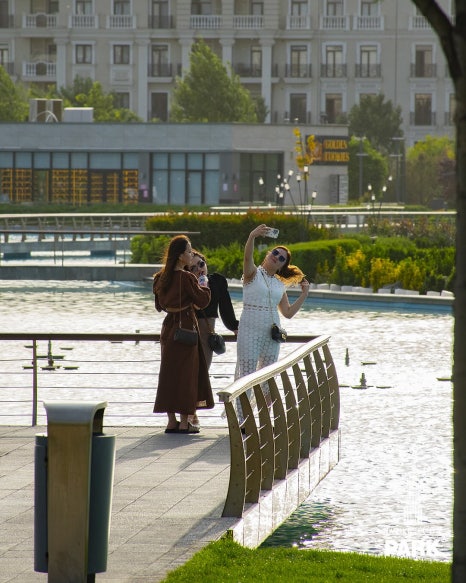
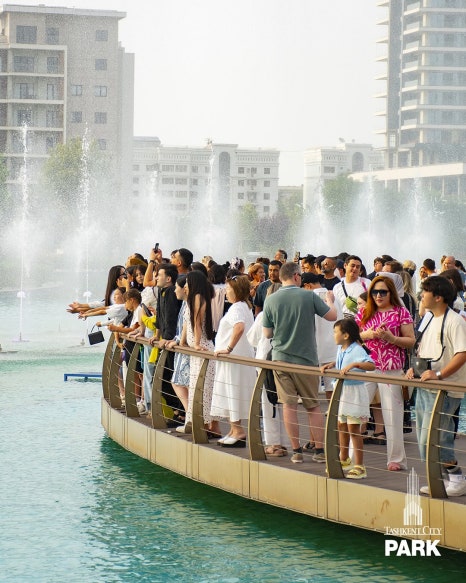
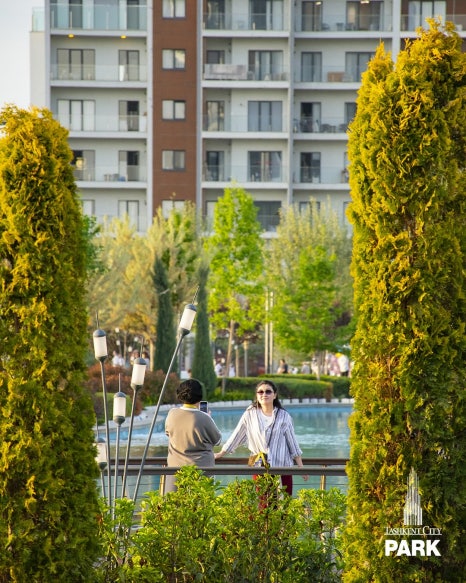
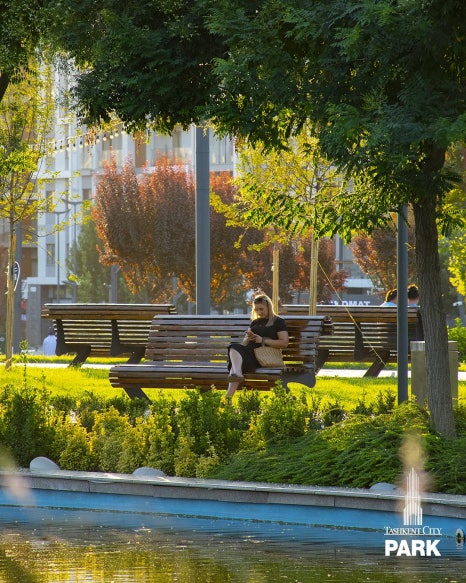
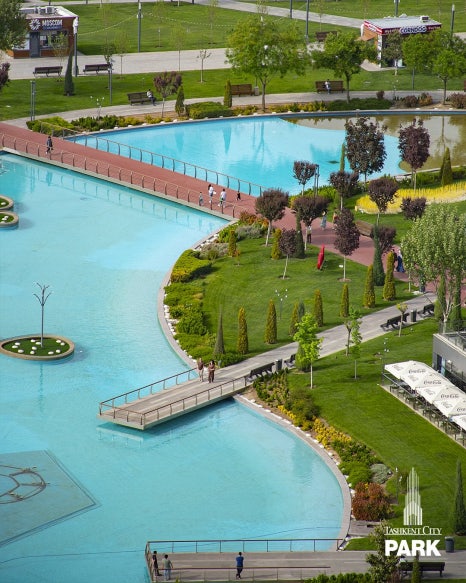
When the midday heat gets intense, duck into one of the city’s big parks for a breather. Tashkent City Park, in the Shaykhontohur district, opened in 2019 and is Uzbekistan’s largest recreation park. It boasts a 15-hectare artificial lake, a 200-meter musical fountain (jets reach up to about 80 meters), a 50-meter central bridge and 18-meter side bridges, lawns, walking paths and a 450-seat amphitheater. Set within the Tashkent City international business complex and flanked by modern malls, play areas and restaurants, it shows a newer, more cosmopolitan side of Tashkent.
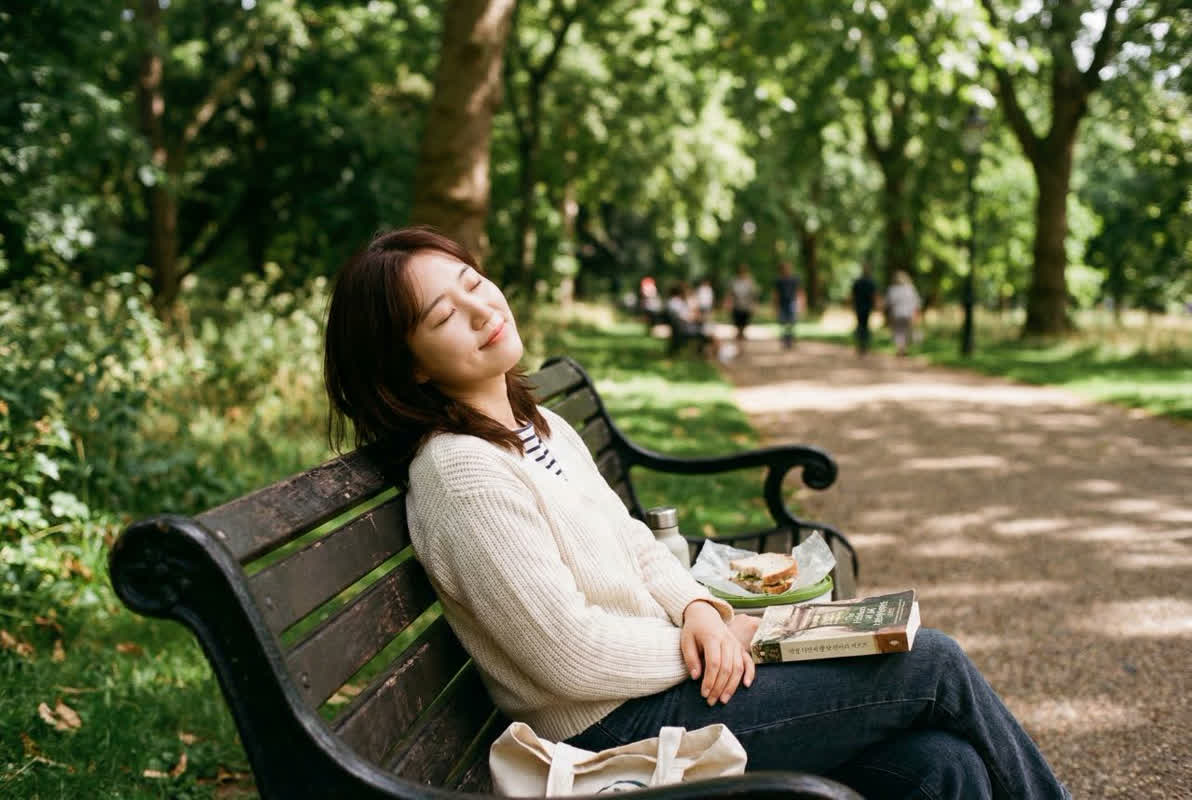
The park is free to enter and fills with families and couples at dusk, making it a great place to people-watch. You can rent a boat on the lake, lounge on benches or grab a snack, ice cream or fast food at nearby cafés and food courts. A typical meal runs about 40,000–60,000 som (approximately 5,200–7,800 KRW, about $3.90–$5.85). At night the park is beautifully lit and perfect for a stroll, though it’s wise to use taxis or ride-hailing apps after late hours for safety. Visitors praise the musical fountain and lakeside walks as romantic and family-friendly, while noting weekend crowds and parking can be an issue.
03 BOBOY Tashkent City Mall BOBOY Tashkent City Mall |
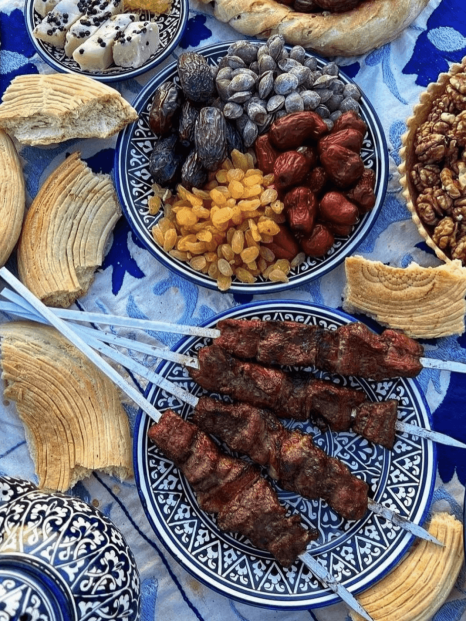
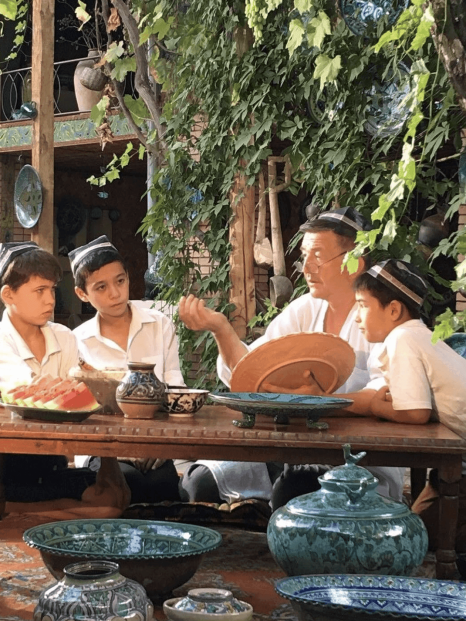
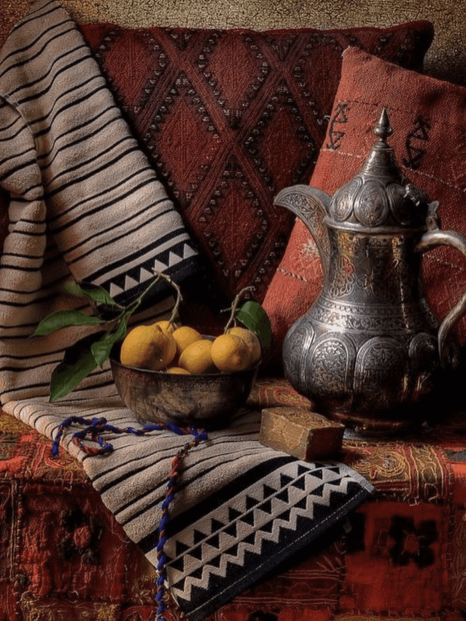
Photo: Tashkent City Mall website
BOBOY Uzbek Eatery, on the third floor of Tashkent City Mall, is a favorite for blending Uzbek tradition with modern twists—and it’s won praise in both Tashkent and Dubai. It’s an ideal stop after a park stroll, with terrace seating that offers a pleasant view of the area.
The menu focuses on Uzbek classics like plov and shashlik alongside contemporary fusion dishes, and beverages include familiar soft drinks such as Sprite, Fanta and Coca‑Cola. Meals typically run about 50,000–100,000 som (approximately 6,500–13,000 KRW, about $4.88–$9.75), with table service and takeaway available; Visa is accepted. Hours are Monday–Thursday 10:00–23:00 and Friday–Sunday 10:00–00:00. Reviews praise the high quality of local dishes, friendly service and the terrace views, though some note that staff English can be limited.
04 Arrows and Sparrows Cafe UZ Arrows and Sparrows Cafe UZ |
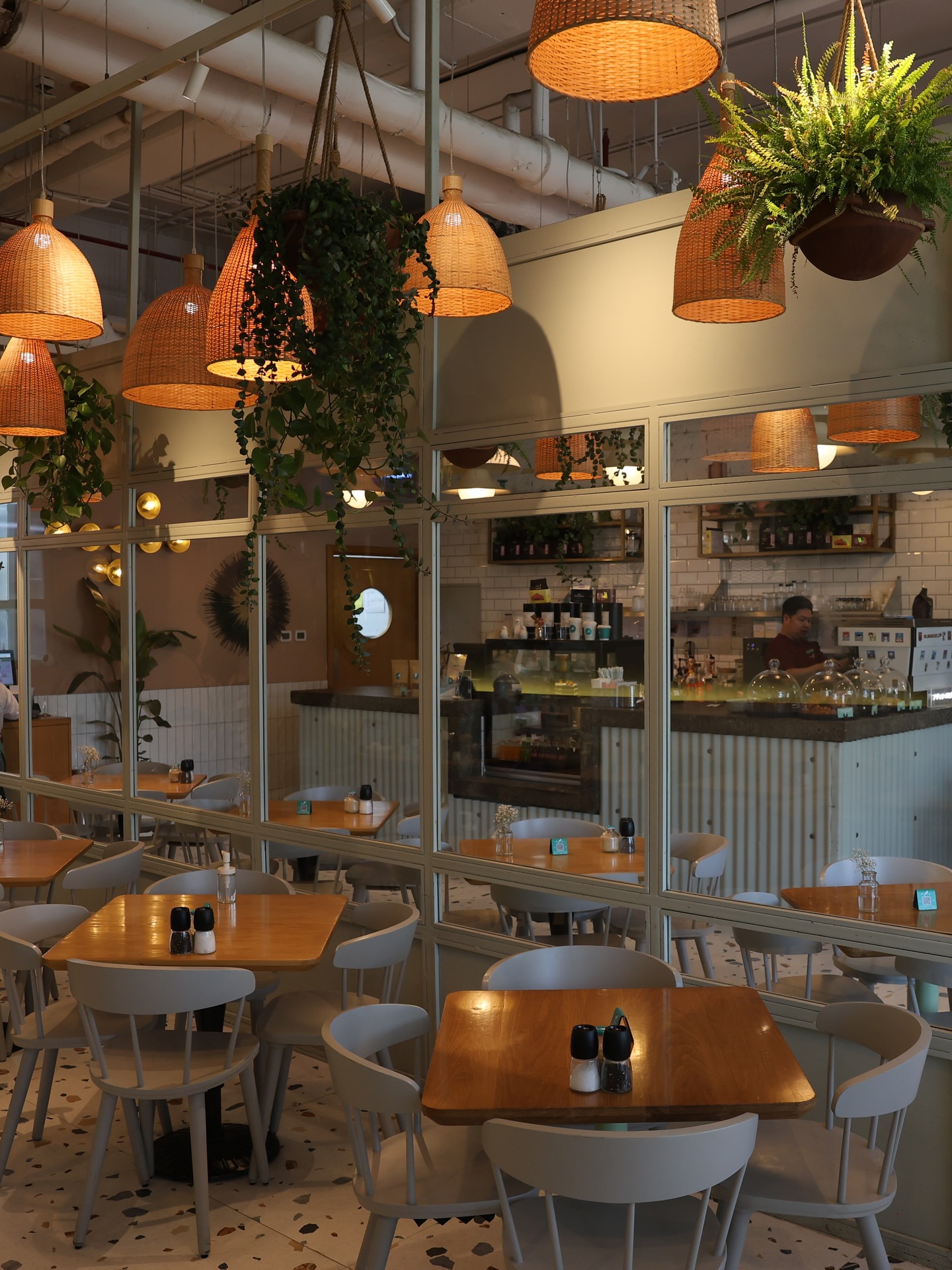
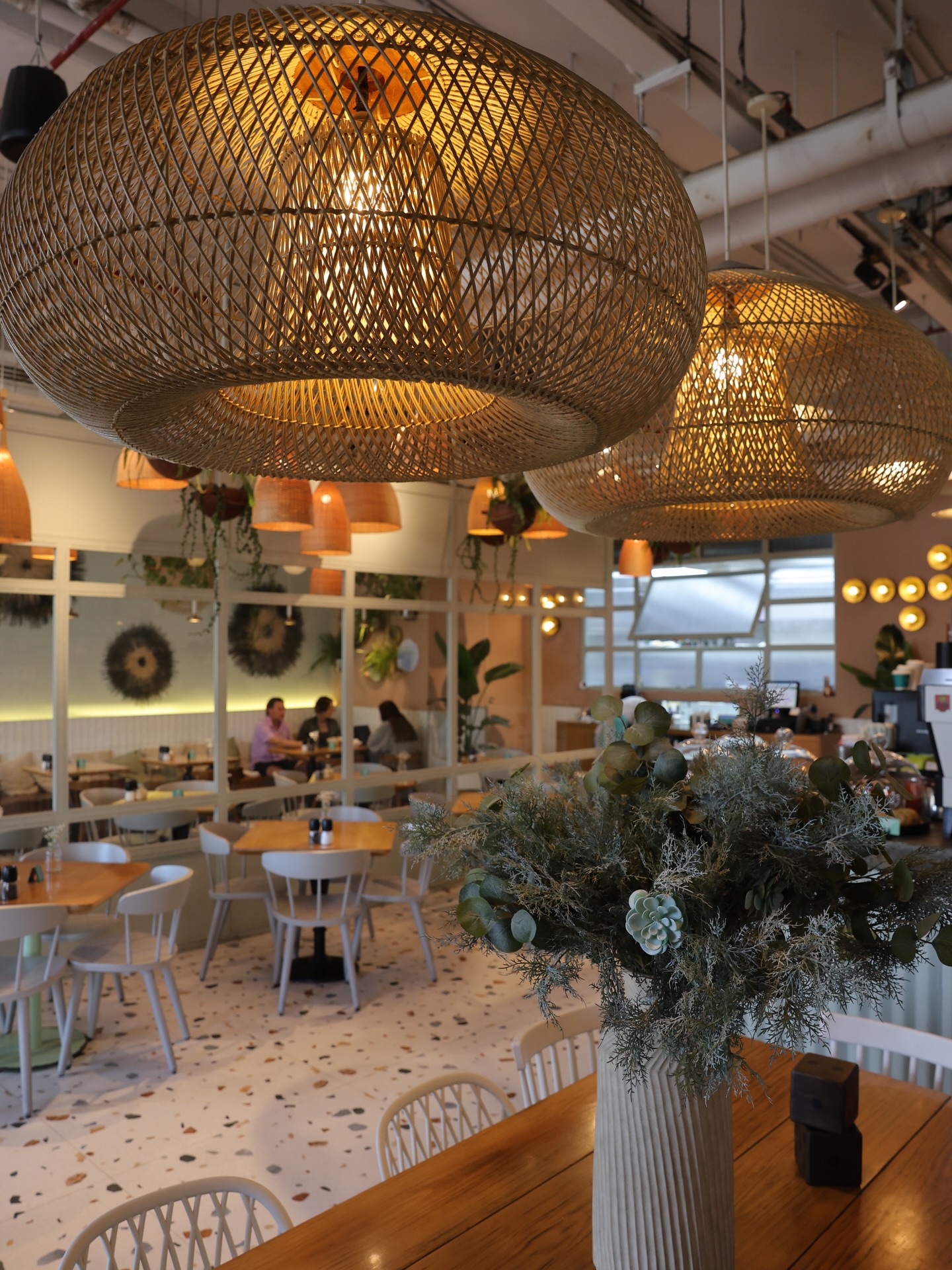
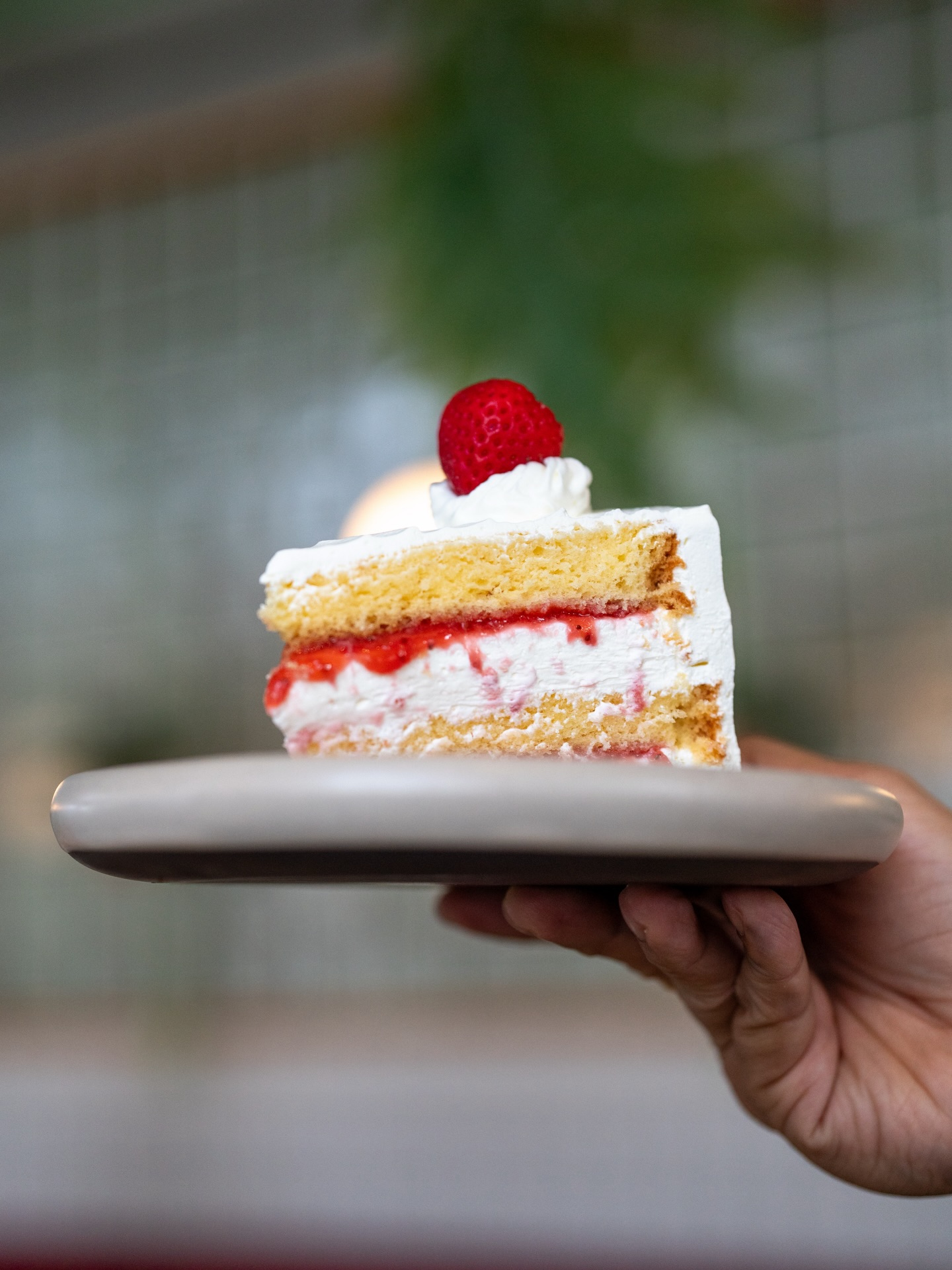
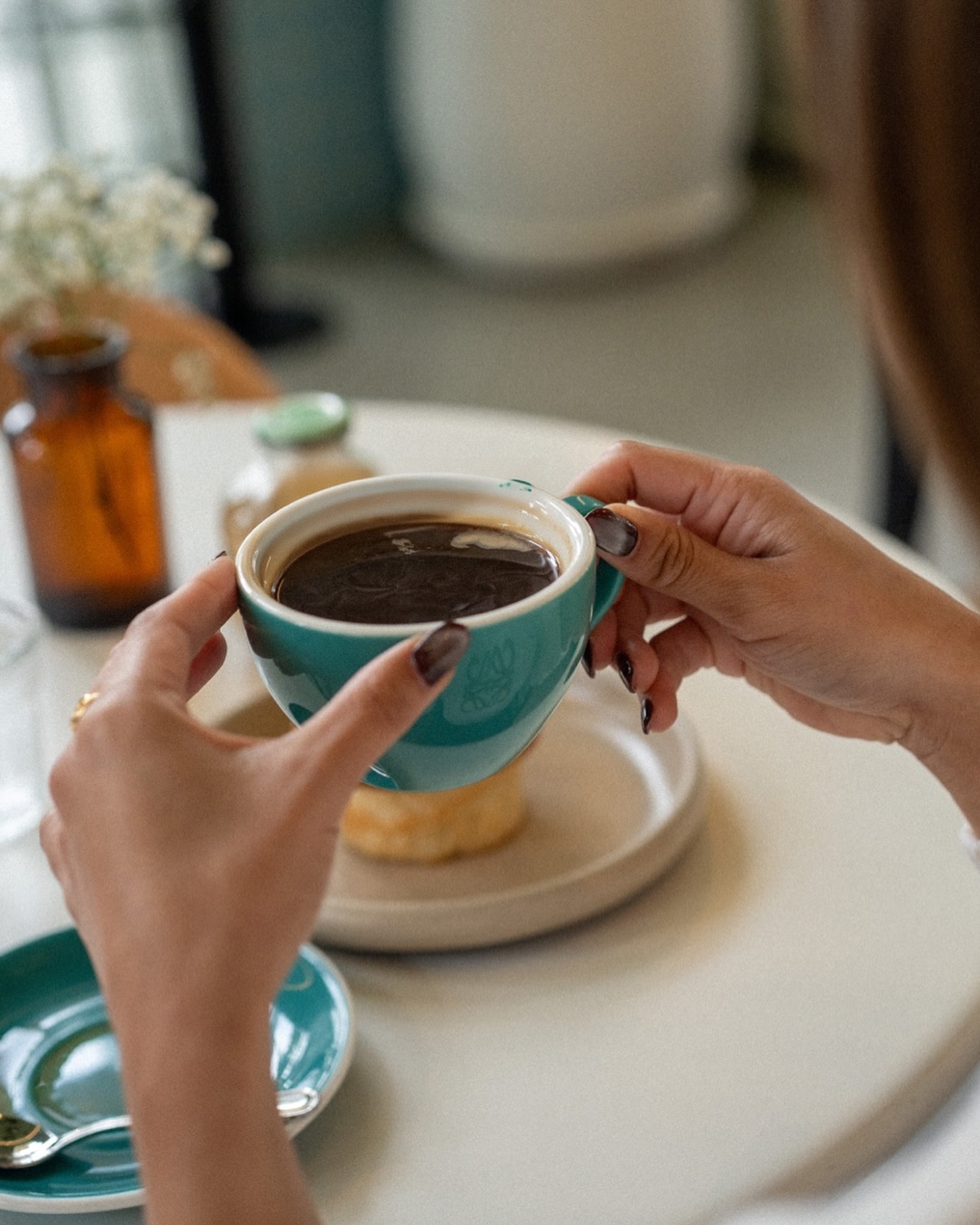
Tashkent’s café scene is growing fast. Pop into a local spot in the afternoon for coffee, dessert and a break from sightseeing. Arrows and Sparrows Cafe UZ, on the lakeshore of Tashkent City Park, combines European, Italian and Indian flavors under one roof and is especially noted for its Indian dishes. Favorites include pumpkin soup, beef-mango salad, chicken Milanese and creamy mushroom pasta, and the coffee gets consistently high marks. Friendly multilingual service is another plus.
The café is generally open regularly—check before you go—and dishes cost about 30,000–70,000 som each (approximately 3,900–9,100 KRW, about $2.93–$6.83). Reviews say sampling a variety of menu items yields consistently great results, and many recommend dining while watching the fountain show. Note the restaurant’s Indian focus may not suit every palate.
05 Tashkent Metro Tashkent Metro |
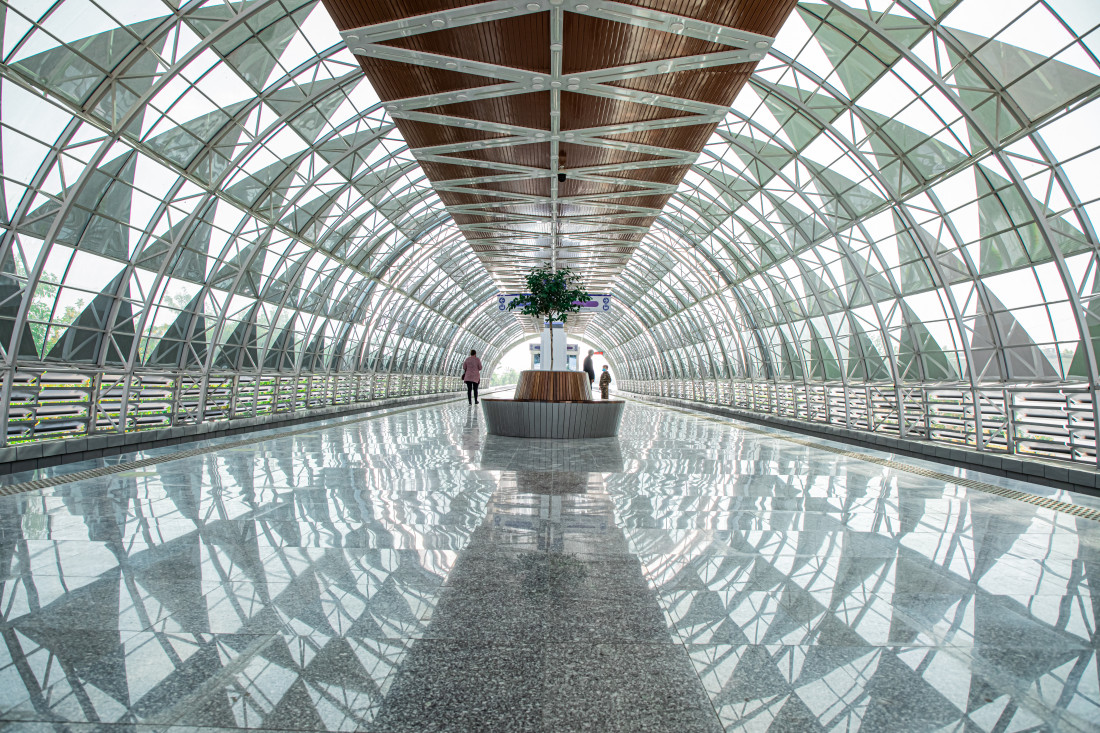
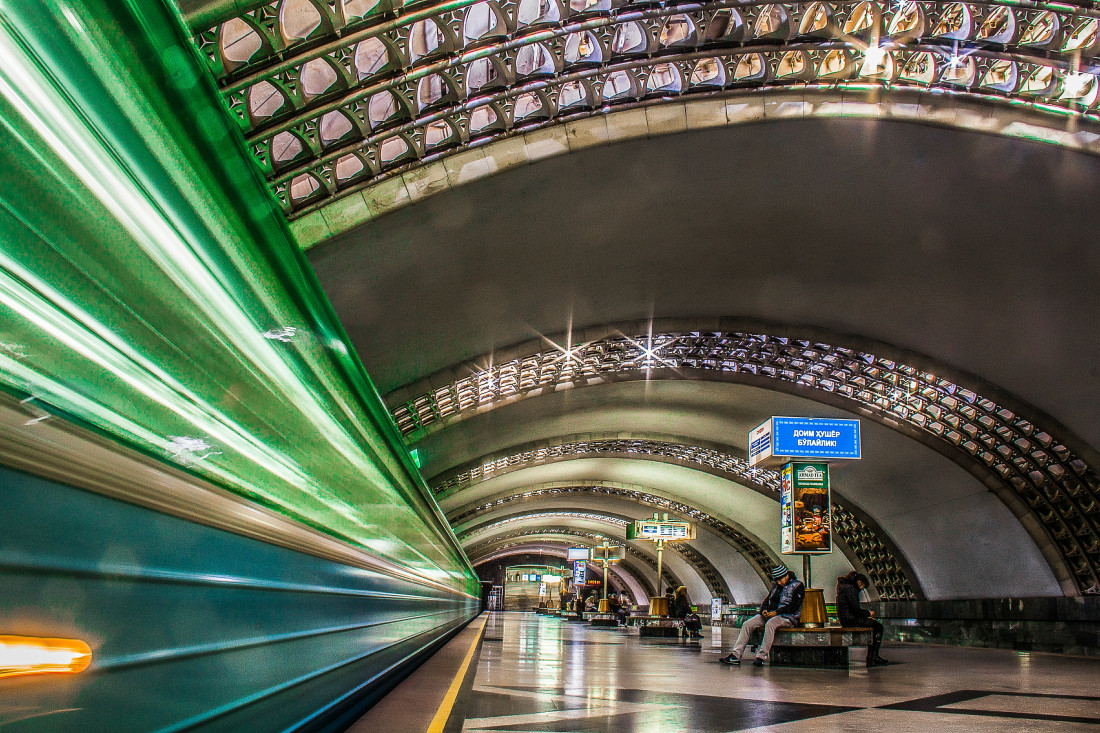
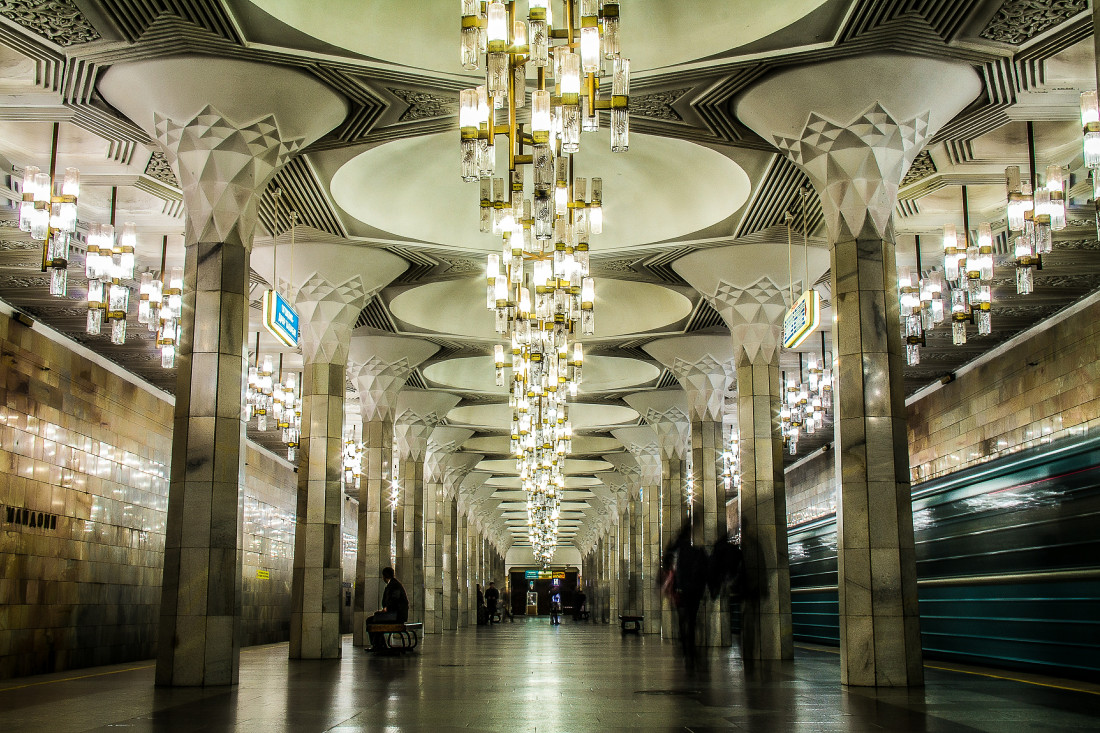
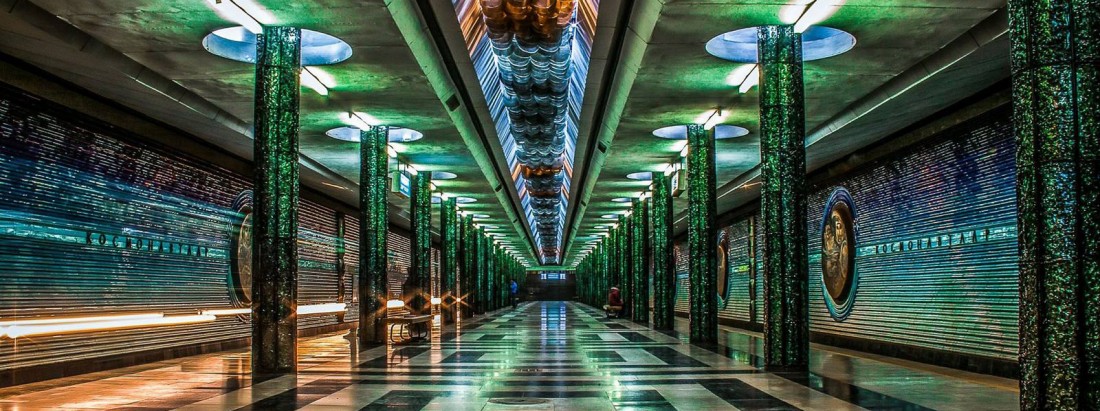
Photo: Uzbekistan Tourism website Copyright © 2018-2026 National PR-centre
Known as an underground art gallery, the Tashkent Metro was Central Asia’s first subway, built in the Soviet era. Each station is decorated around a theme, and many feel like palaces or museums. Stations such as Kosmonavtlar, with Uzbek patterns and chandeliers, and Alisher Navoi, with marble and mosaics, are so photogenic travelers often hop off to snap pictures before resuming their journey. With photography rules recently relaxed, the metro now appears widely on Instagram and Google Maps, with many calling it “as beautiful as European metros” and a must-do subterranean attraction.
The metro runs daily from 05:00 to 00:00 (peak hours 07:30–09:00 and 17:00–19:00). A single ride costs 1,400 som (approximately 180 KRW, about $0.14). Buy tokens or an ATTO card at the gates and use the color-coded map and station names to navigate with ease.
If you have extra time, head outside Tashkent to enjoy nearby nature. About a two-hour drive away, the Chimgan Mountains offer sweeping Tien Shan scenery with cable cars, hiking trails and winter sports—perfect for a day trip.
Another favorite is Charvak Reservoir, known for its emerald waters. In summer you can swim, boat and try water sports; in winter the lake becomes a peaceful, snow-kissed escape that locals love year-round.
By Seoyeon Moon, Travel+ reporter