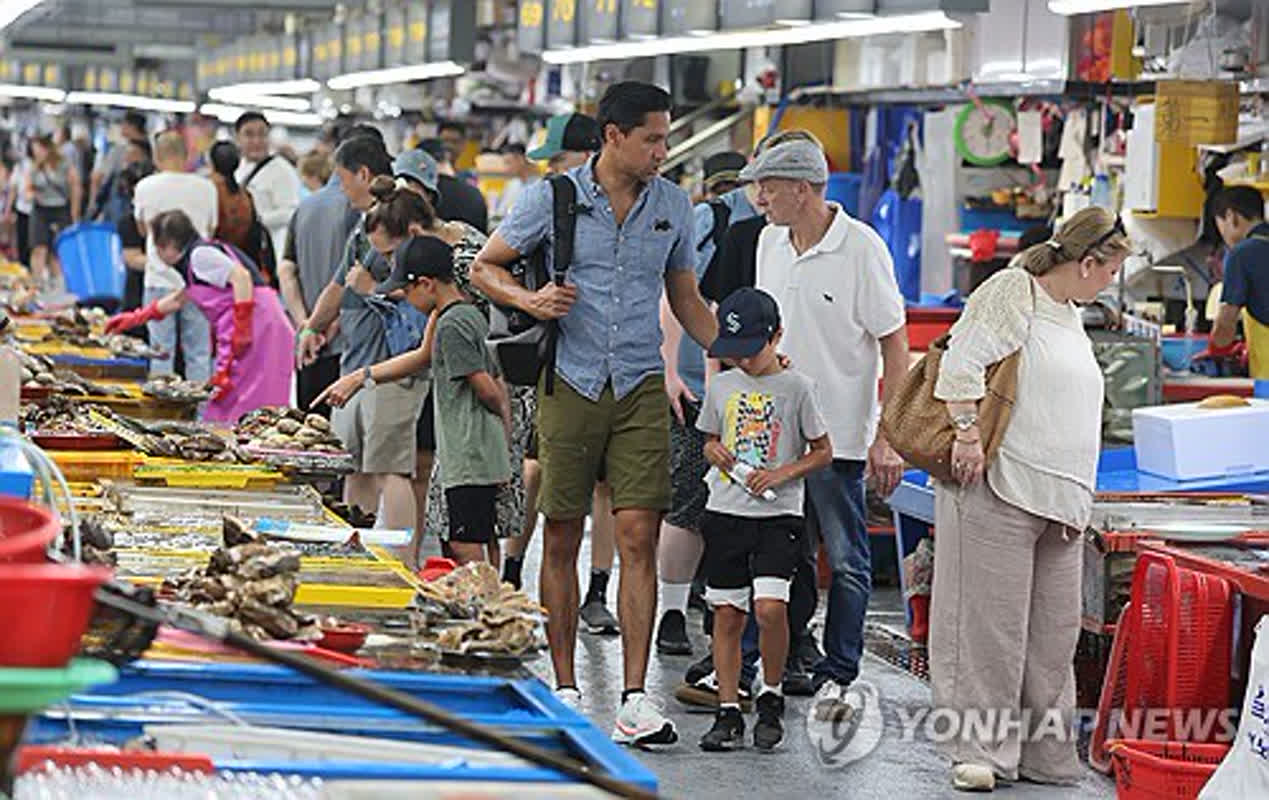
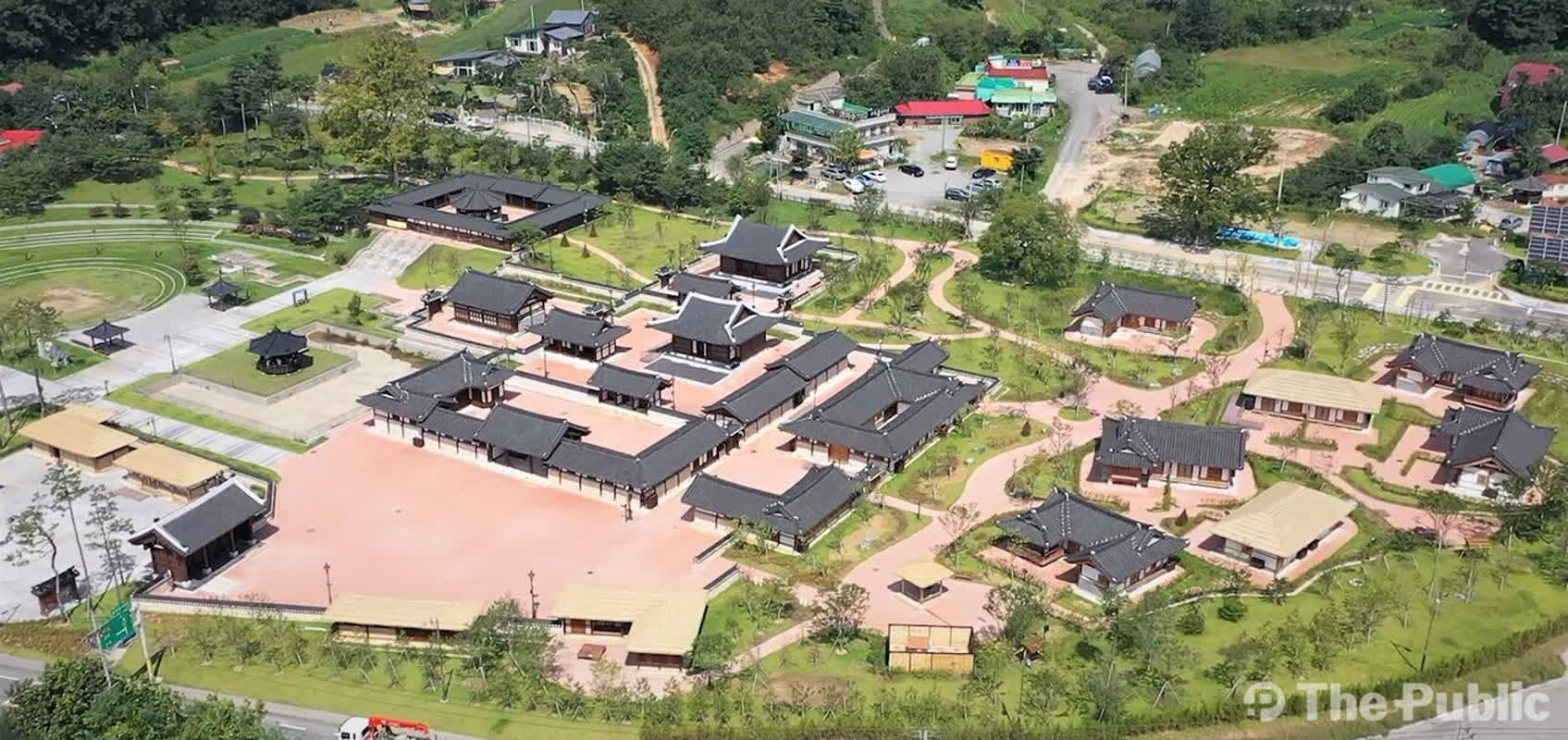
Lately, travelers are ditching big-city hotspots and falling for the charm of off-the-beaten-path towns. This shift toward dispersed travel is showing up in both domestic and inbound markets, and demand shows no signs of slowing.
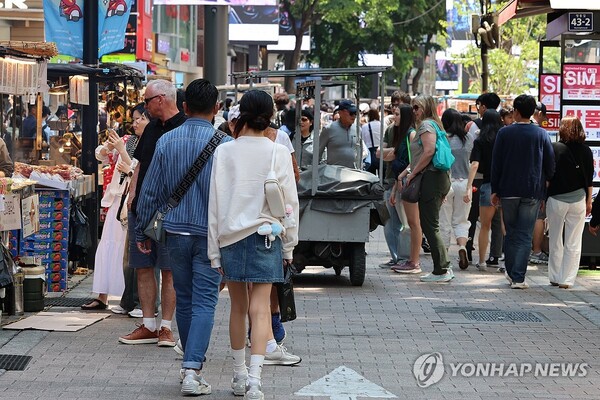
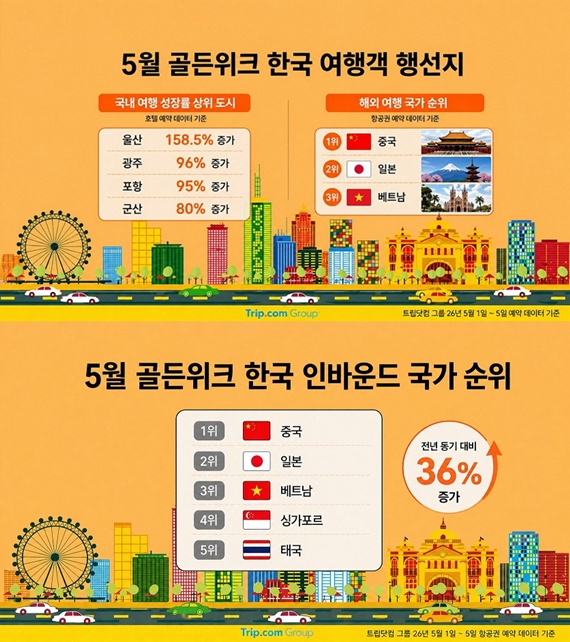
Trip.com's May 1–5 data show South Korea's domestic travelers are favoring regional small- and mid-sized cities: Ulsan (158.5%), Gwangju (96%), Pohang (95%), Gunsan (80%), Boryeong (75%) and Tongyeong (58%). Pohang, in particular, drew strong interest from both domestic and international visitors and emerged as the holiday’s standout growth destination.
With short holiday windows, South Koreans heading overseas often choose nearby countries like Japan and China. At the same time, newer short-haul spots such as Mongolia are gaining attention, broadening the roster of go-to destinations.
Over the same period, bookings for flights to South Korea from abroad rose 36% year over year. China accounted for the largest share, followed by Japan, Vietnam, Singapore and Thailand. Analysts say the overlap of major Asian holidays—China’s Labor Day and Japan’s Golden Week—likely helped boost overall demand for travel to South Korea.
Travelers from Japan and China ranked Seoul—the epicenter of the Korean Wave—as their top overseas pick, and visitors from Singapore and Thailand also put Seoul near the top. As interest in visiting South Korea grows, demand is rapidly spreading beyond traditional favorites like Seoul and Busan to regional tourist cities.
Hotel booking data back this up: Seoul, Busan and Jeju still posted the highest booking rates, but regional cities led in growth. Pohang topped the list with a 180% increase, followed by Daegu (167%), Seogwipo (151%) and Andong (135%), underscoring the accelerating shift toward region-based travel.