This is the land shaped by relentless pioneers who pushed to the Pacific and blended their stories with those of the coastal Native communities. Today, that same spirit shows up as creativity focused on sustainable living.
The Oregon Tourism Board highlights destinations that reflect this commitment to living with nature, not apart from it.
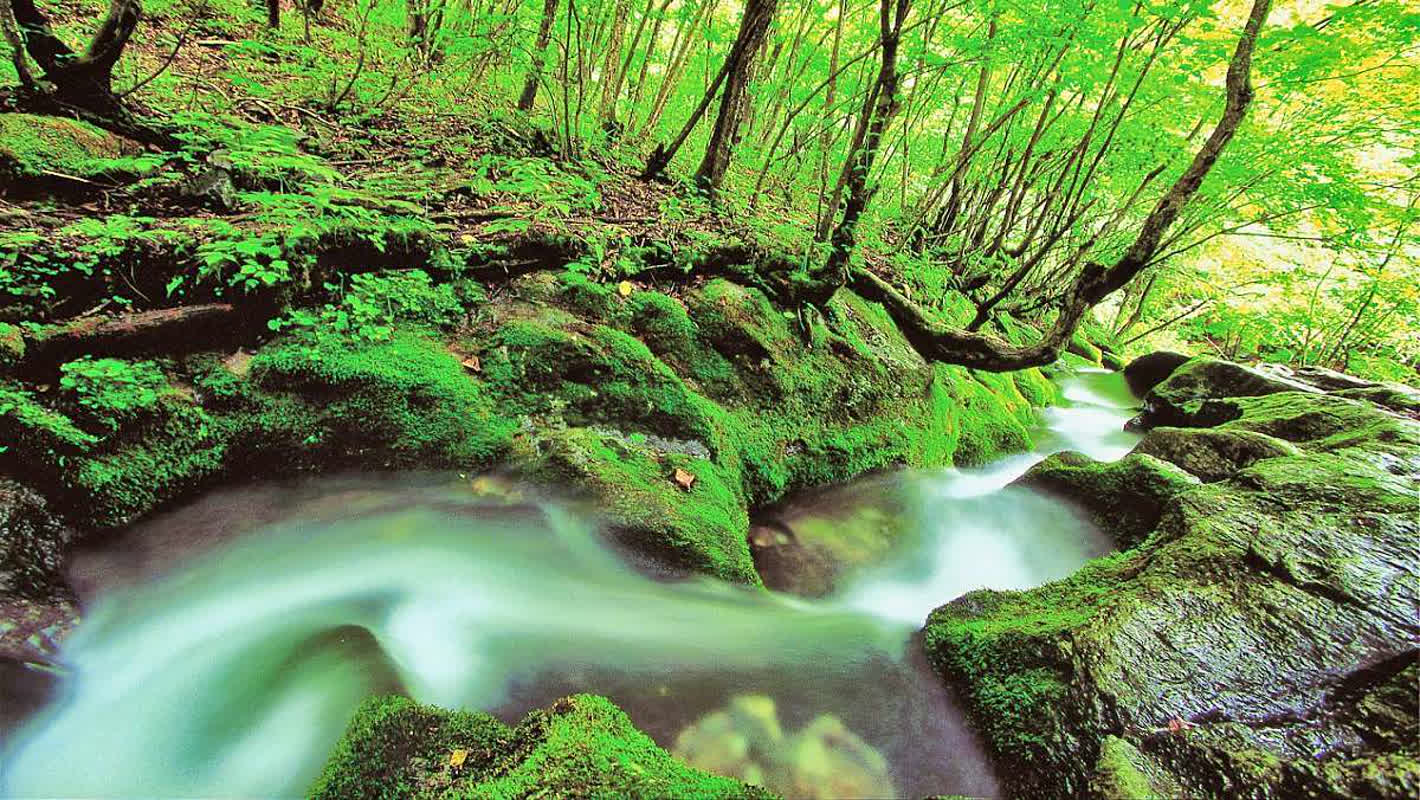
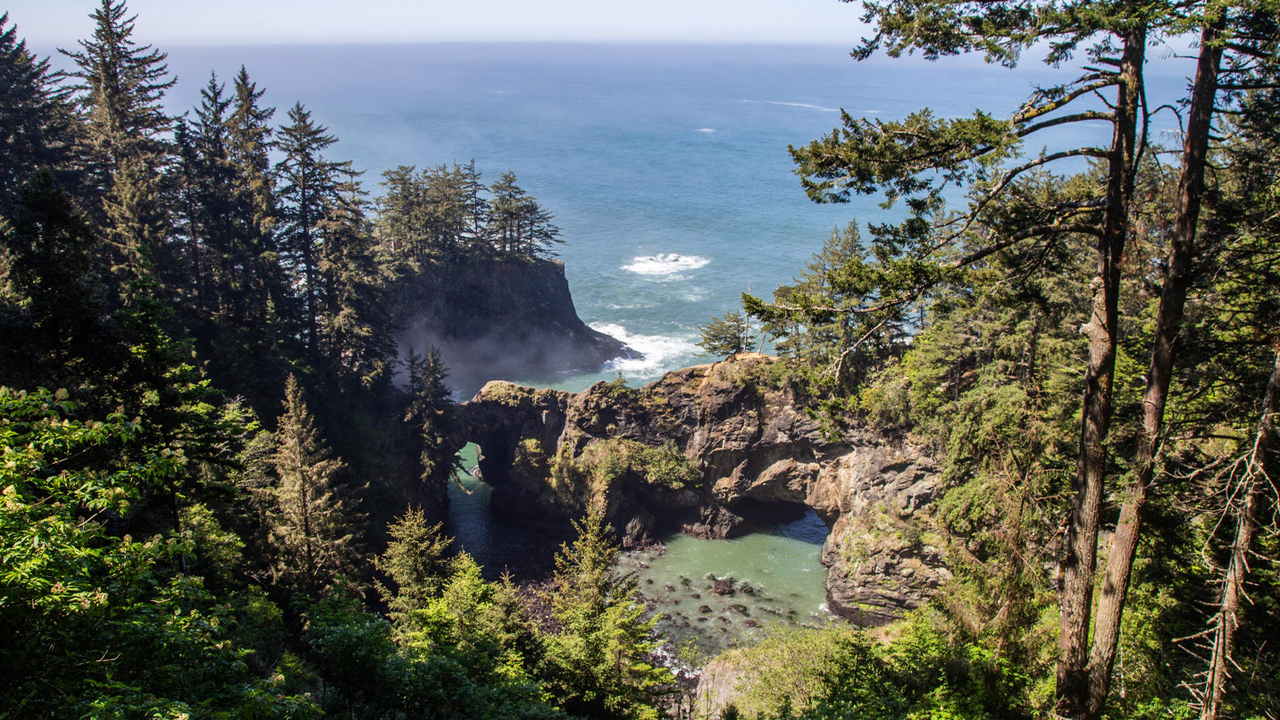
Think of Oregon as a natural sampler: rugged Pacific coastline, snow-capped volcanoes, deep, crystalline volcanic lakes, ancient forests and high desert plateaus—all within easy reach.
About a 30-minute drive from Portland, the Columbia River Gorge is one of Oregon’s crown jewels. The gorge is studded with waterfalls and dramatic cliffs.
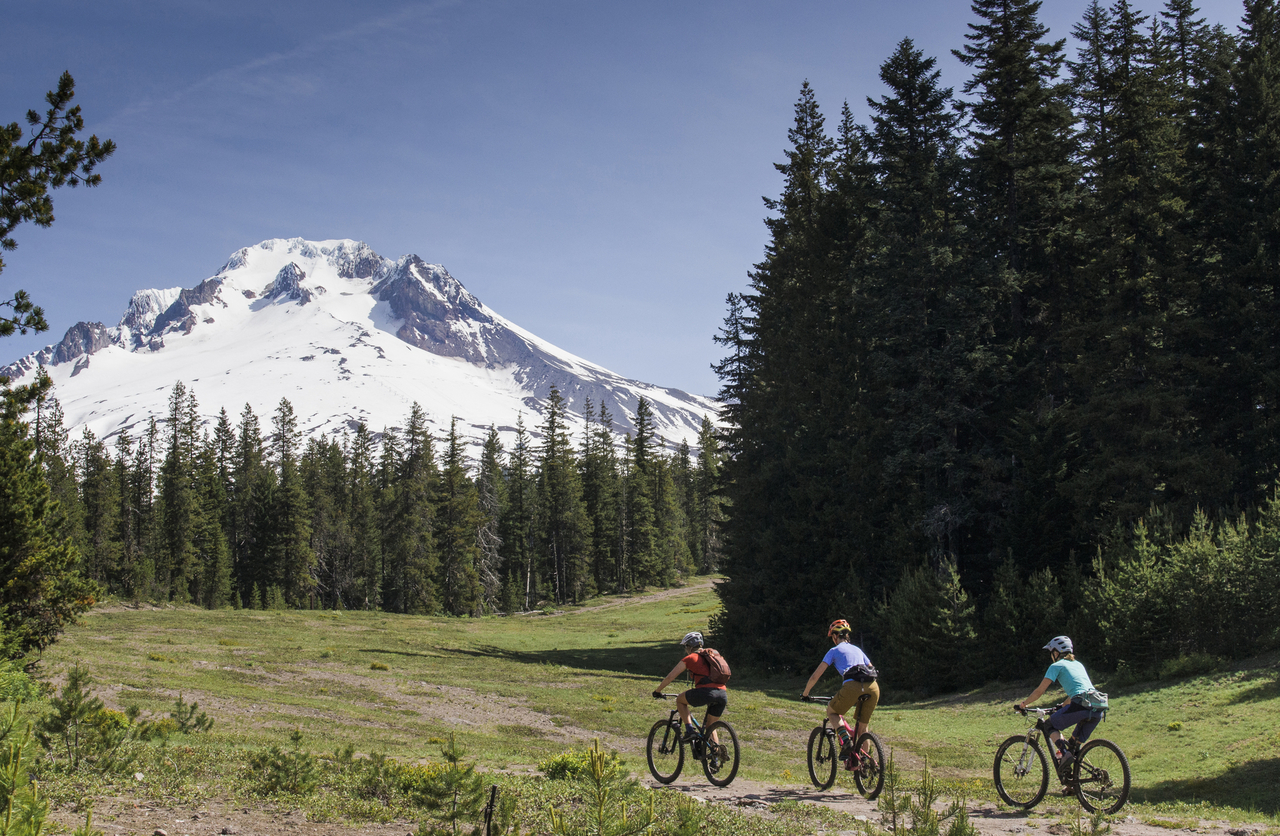
Multnomah Falls is the star—about 189 meters (roughly 620 feet)—and it draws visitors year-round. The gorge sits in the shadow of Mount Hood, offering quintessential alpine drives, scenic hikes and winter skiing. The historic Columbia River Highway is still considered one of America’s most beautiful drives.
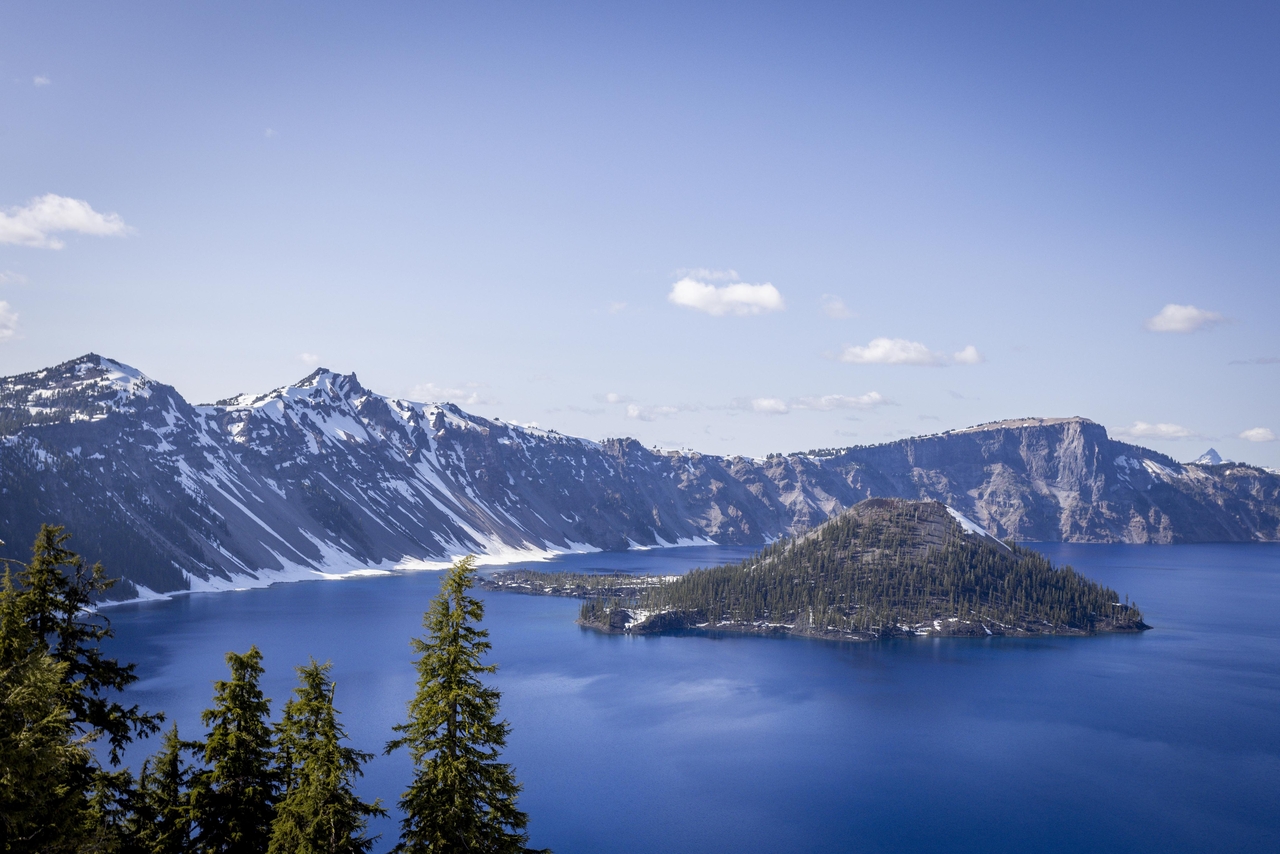
In southern Oregon, Crater Lake sits in a volcanic caldera formed some 7,700 years ago. It’s the deepest lake in the U.S. and famed worldwide for its extraordinary clarity.
The Rim Drive circles the lake and opens up a string of viewpoints where the water’s intense blue and the volcanic landscape feel almost otherworldly. Summer brings hiking and boat tours; winter invites snowshoeing and quiet, snowy vistas.
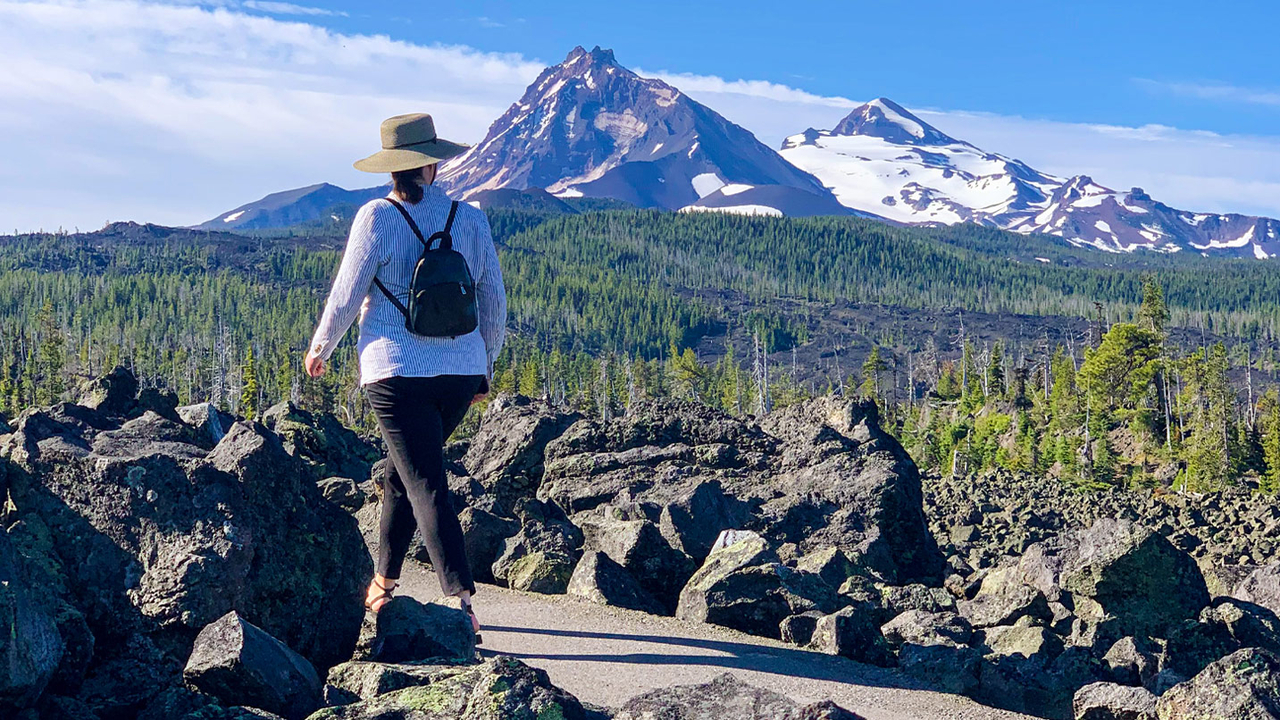
The McKenzie Pass–Santiam Pass Scenic Byway threads lava fields, dense woods and waterfalls—reminders of the region’s volcanic past. Around the Dee Wright Observatory, the lava fields reveal Oregon’s geological story and create a landscape that feels almost lunar. It’s a great route for hiking, cycling and birdwatching.
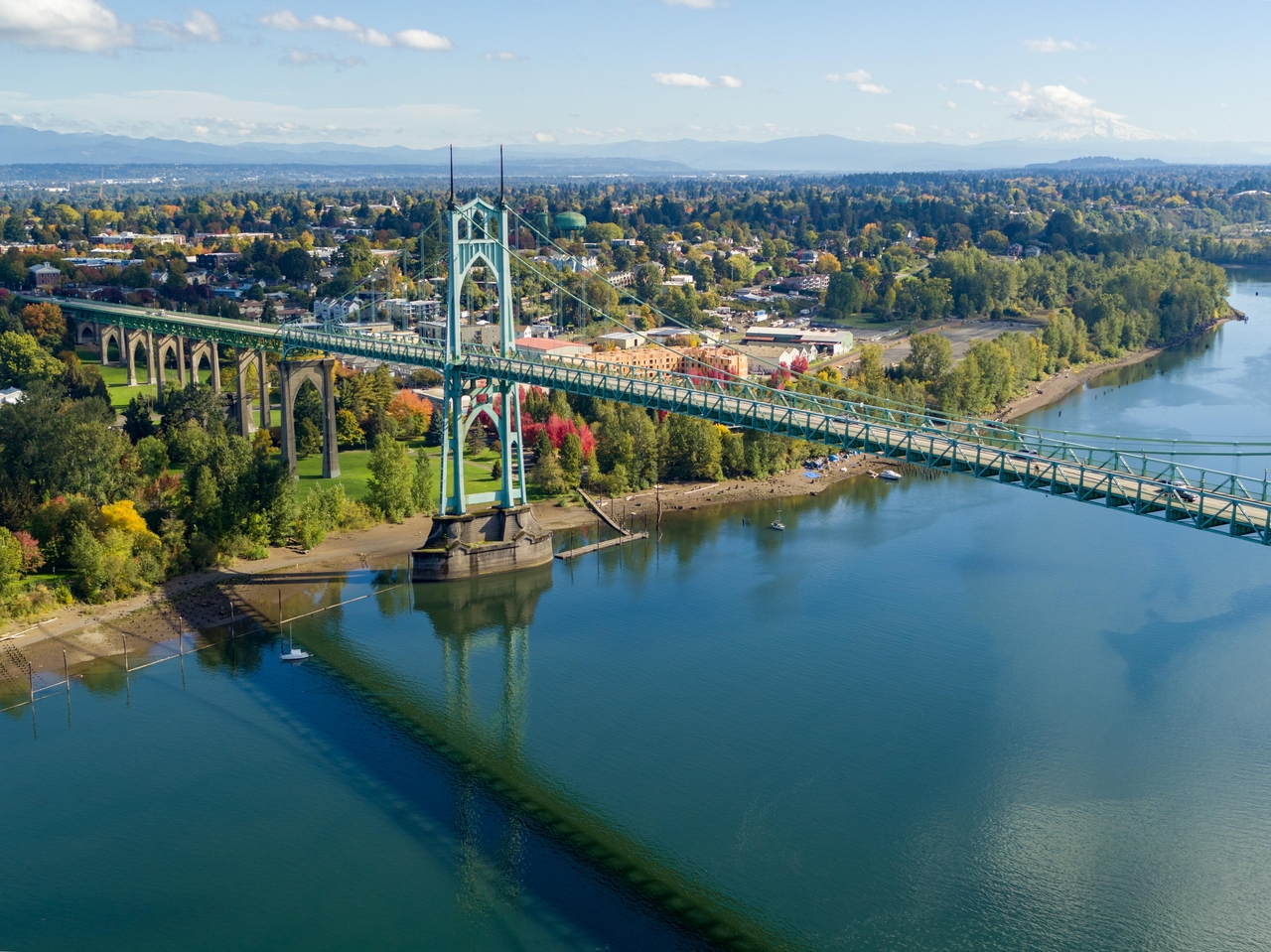
Portland is also a food lover’s playground. Think farm-forward restaurants, bustling food carts and a legendary craft-brew scene. It’s a place where nature, culture and culinary creativity come together.
Because you can experience coast, mountains, lakes, forests and desert in a single trip, Oregon is hitting the sweet spot for travelers who crave nature-focused itineraries and classic road trips. The Oregon Tourism Board sums it up: “Oregon offers travelers true rest in nature and the chance to try something new.” For Korean visitors—or anyone looking past the usual West Coast stops—Oregon is a fresh, distinct way to see the American West.