If Osaka or Fukuoka are starting to feel a bit predictable, the real Japan enthusiasts slip off to the port city that sits where the two islands meet. It’s the kind of place that surprises you — in the best way.
Shimonoseki, cooled by sea breezes, perches on Honshu’s western edge facing Kyushu. It’s a charming mash-up of sleek modern landmarks, peaceful temples, and one of Japan’s most celebrated fish markets. There’s more to this city than a quick day trip can capture.
Today we’re spotlighting the gems that make Shimonoseki worth the ferry ride from Busan — think romantic crossings, market-side feasts, and spots every foodie will love.
Karato Market
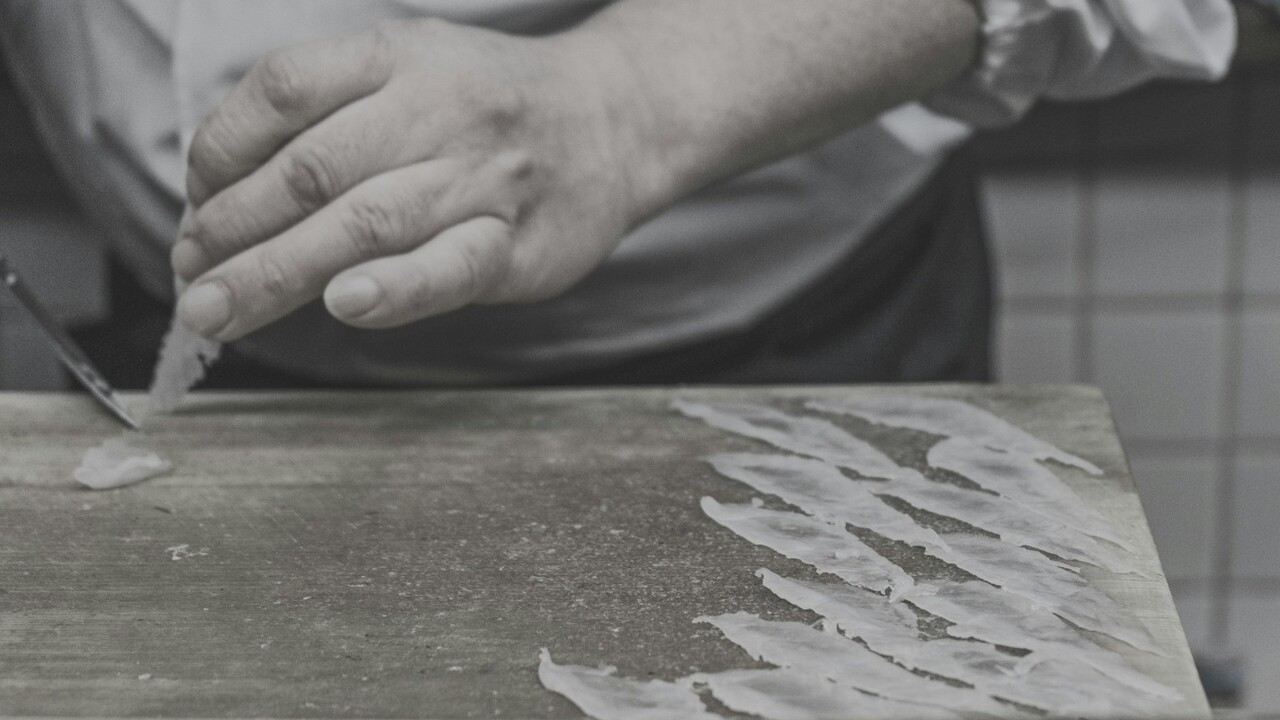
First on any Shimonoseki list is Karato Market — the city’s famed fugu (blowfish) hub. Fish landed from across Japan are brought here first, and the market has earned its reputation for great seafood.
But what really draws crowds is the Ikiiki Bakagai street scene that livens up the market every Friday through Sunday and on holidays. Stall vendors serve generous, freshly made sushi for as little as 100–500 JPY (approximately $0.67–$3.35), creating a festival-like vibe that food lovers can’t resist.
One of the best local rituals: grab a disposable tray piled with otoro tuna, uni, or amaebi (raw shrimp), then sit on the seaside deck outside the market and eat while watching the waves. It’s simple, sensory, and absolutely memorable.
A single melt-in-your-mouth piece of sushi, scented with the sea, can outshine even the fanciest restaurant experience. Don’t miss buying a plate of fugu sashimi (fugusashi) to share as you take in the sweeping views of the Kanmon Strait.
Akama Shrine
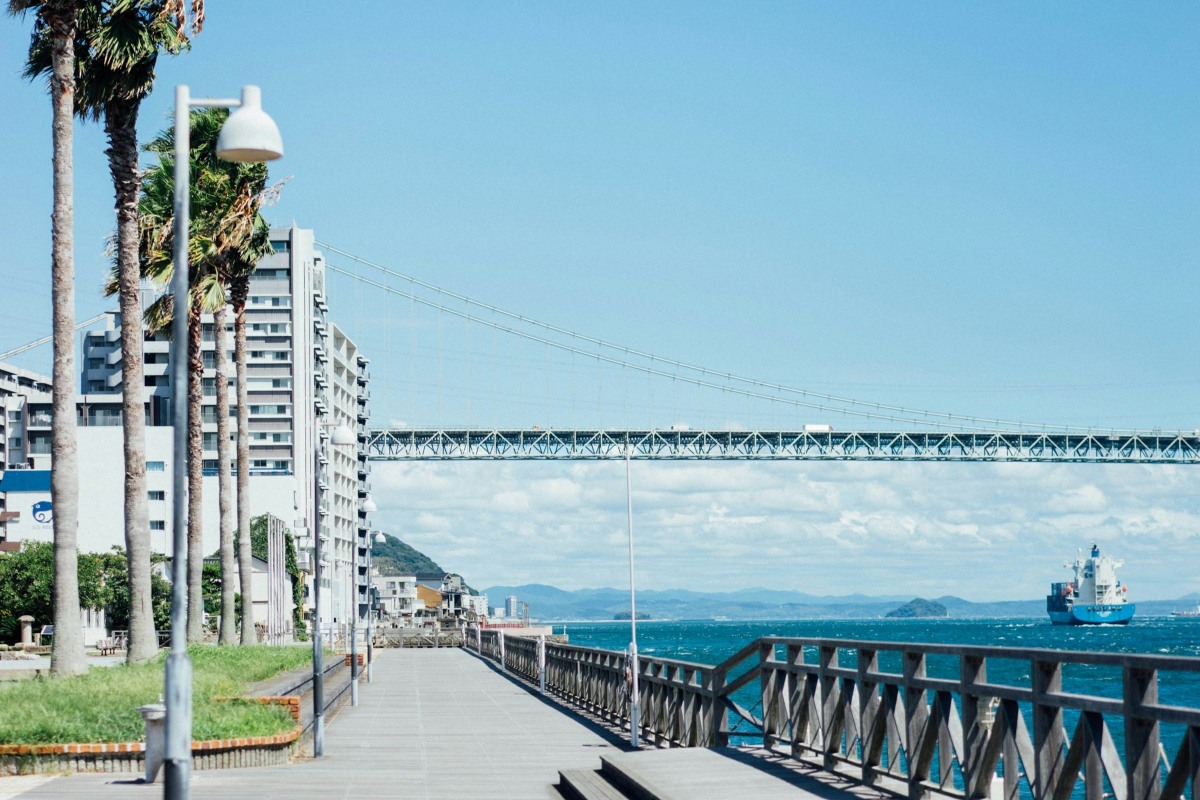
Walk the coastal promenade from Karato and a striking vermilion building will snag your attention: Akama Shrine. It was built to honor Emperor Antoku, who, after the 1185 Dan-no-ura battle, is said to have drowned as a child.
Unlike most Shinto shrines, Akama Shrine’s suijin-mon gate evokes an undersea palace — a nod to the legend that the young emperor went to the Dragon Palace after death.
Step inside and the market’s buzz fades into a serene hush. As you stroll past relics and architecture, you’ll feel the weight of a poignant chapter in medieval Japanese history.
Every May, the shrine’s Senteisai festival honors Emperor Antoku with an ornate kimono procession. From the shrine’s forecourt, the Kanmon Strait’s fierce currents form a dramatic backdrop — a beautiful, haunting reminder of the past.
Kanmon Undersea Tunnel and Kanmon Bridge
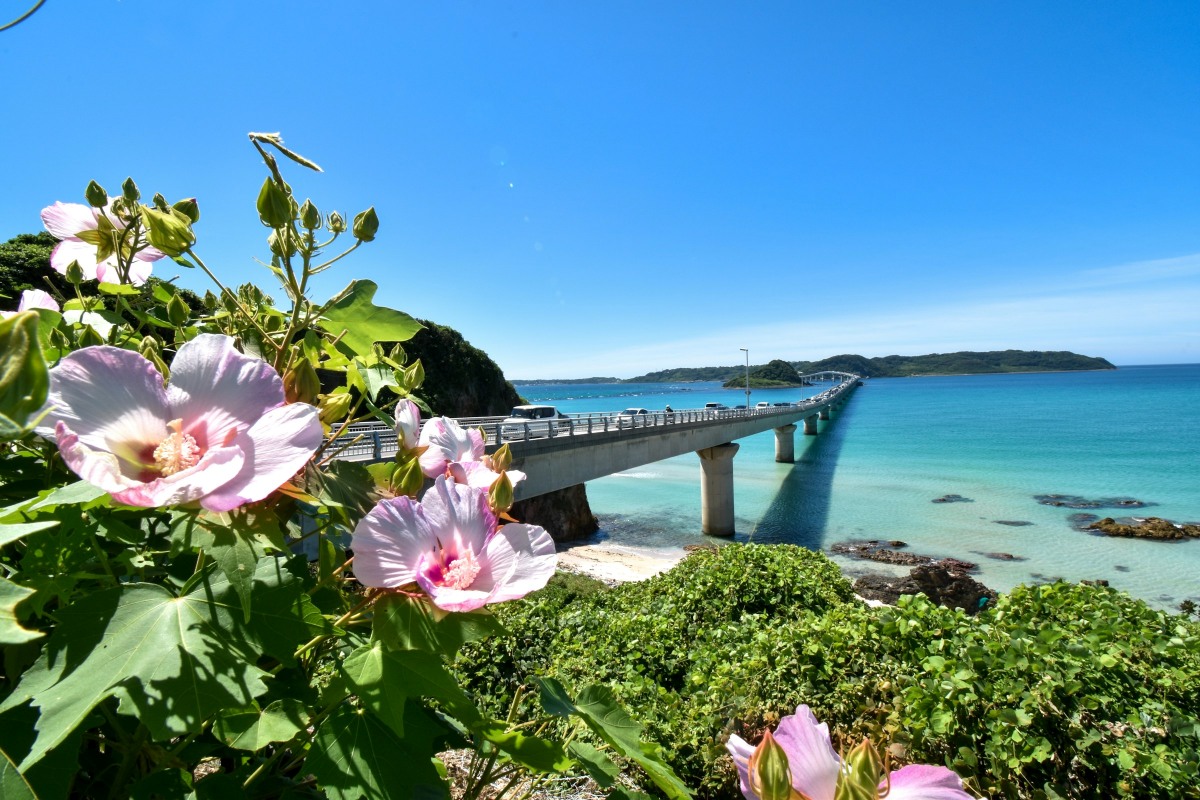
The Kanmon Strait — about 700 meters wide — separates Shimonoseki from Mojiko on Kyushu. You can cross it two iconic ways: over the water on the sweeping Kanmon Bridge or beneath the waves through the Kanmon Undersea Tunnel.
The tunnel sits roughly 58 meters below sea level and even marks the border between Yamaguchi and Fukuoka prefectures halfway through. It’s a popular photo op to place one foot in each prefecture.
Try walking the cool, air-conditioned tunnel to Mojiko, then return by ferry or stroll back over the bridge to admire its grandeur. Experiencing both the bridge above and the tunnel below is a uniquely delightful way to see this city.
Chofu Samurai Village
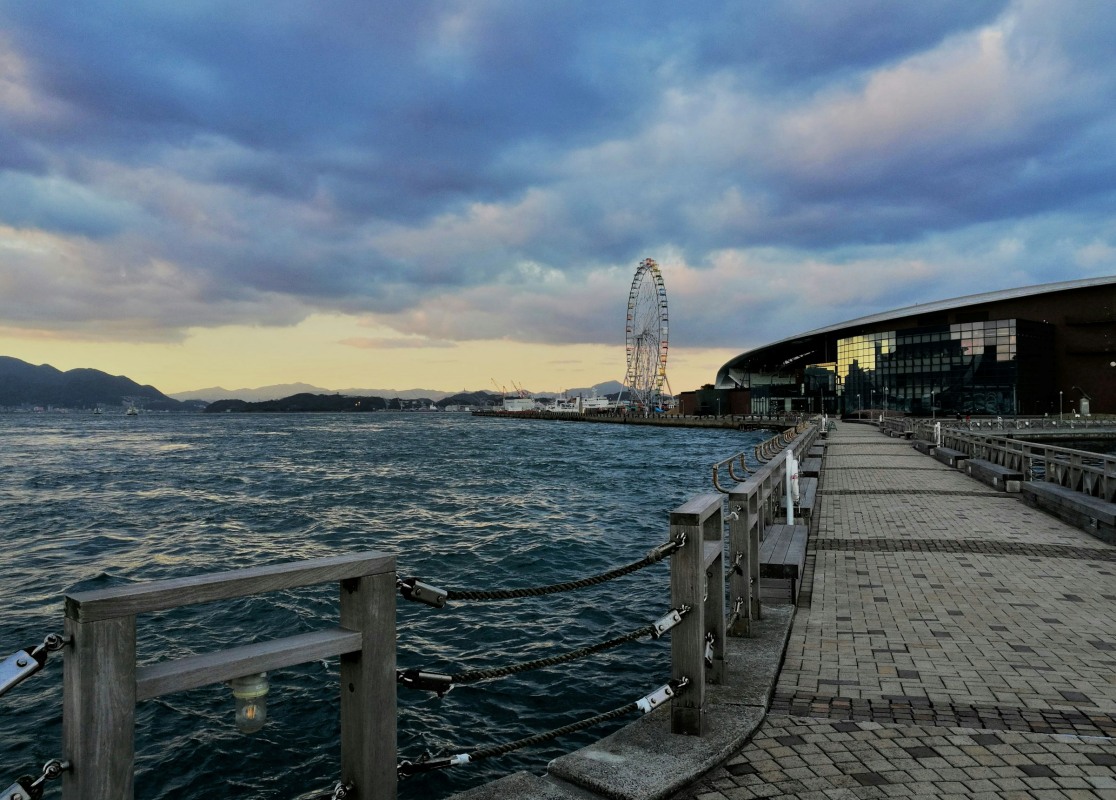
After soaking up the harbor’s lively energy, slow things down with a step back in time. About a 20-minute bus ride from downtown, Chofu Samurai Village was the stronghold of the Chofu domain during the Edo period and once housed samurai families. Centuries-old trees, original earthen walls, and stone fences remain intact, so a simple walk here feels restorative.
In autumn, the Chofu Mori Residence is a hidden gem when maple leaves turn crimson. Sip matcha while gazing at the garden and feel the city’s rush melt away. Nearby, Gozansa Temple features a nationally designated treasured hall, making it an architectural highlight as well.
This weekend, consider trading the fast pace for a slow ferry ride and let Shimonoseki show you the pleasures of an unhurried trip.