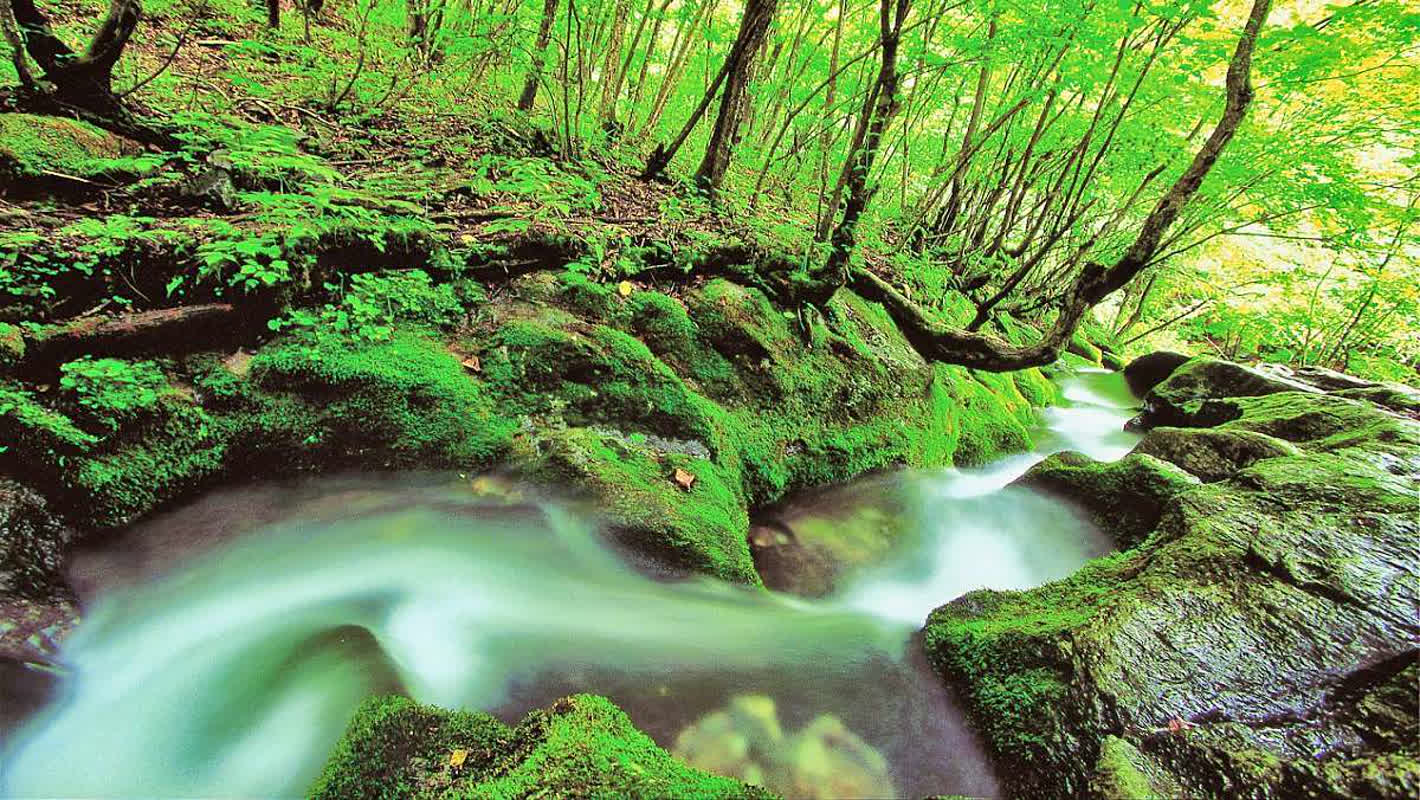
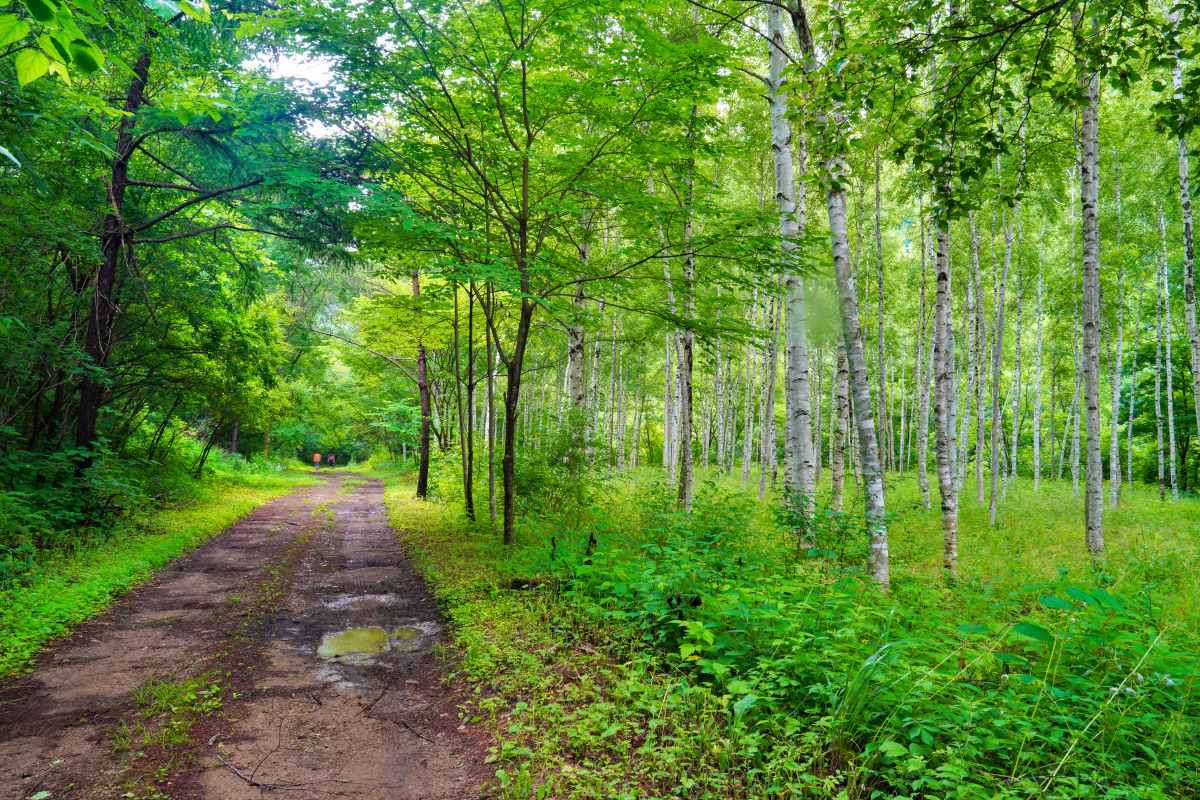
Tucked into a deep valley of Girin-myeon in Inje County, Gangwon Province, Achimgari greets visitors with a picture-perfect blend of forests and streams. It’s the kind of place you picture when you want to escape skyscrapers and traffic for dense woods, rugged rocks, and icy creek water. True to its name—which suggests sunlight reaches the valley only long enough in the morning to till a field—Achimgari still holds the hushed, remote atmosphere of a high mountain gorge.
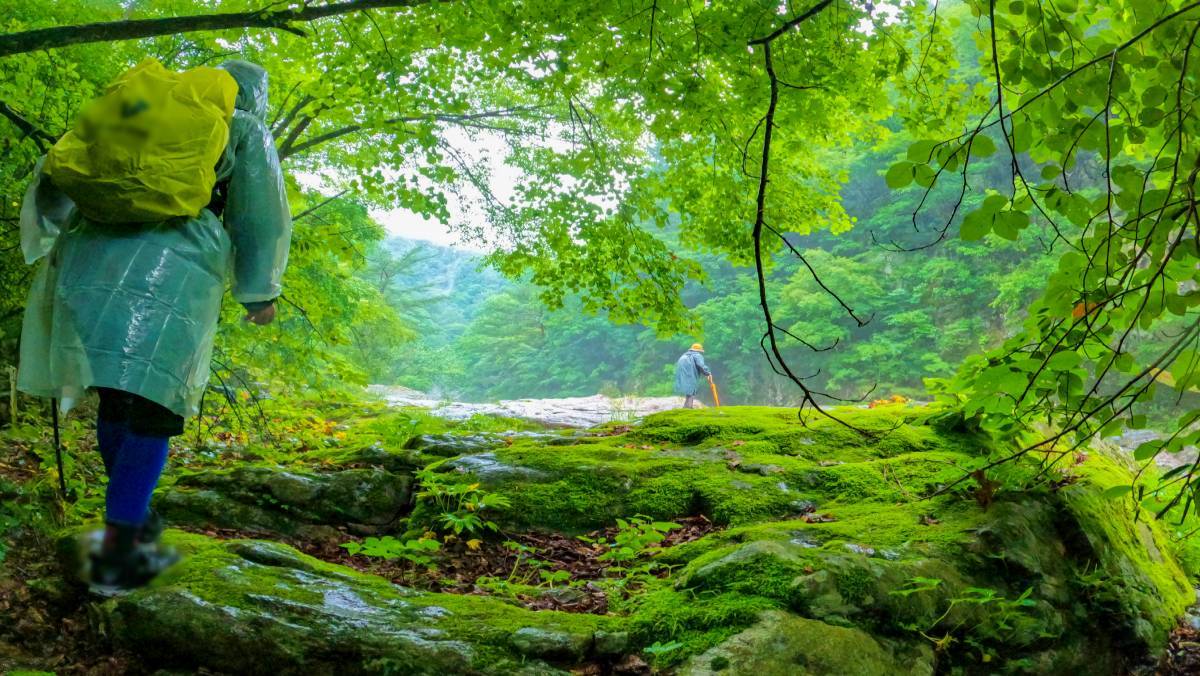
Achimgari is counted among the Samdunsagari sites mentioned in the Jeonggamnok. Samdunsagari refers to refuges where people could shelter from calamity; the term covers Saldun, Woldun and Daldun across Inje and Hongcheon, and Achimgari, Jeokgari, Yeongari and Myeongjigari in Girin-myeon. Because this area was historically hard to reach, it still showcases primeval forest landscapes largely untouched by human hands. The forest trails that wind along the valley change with the seasons, but summer and fall—when valley trekking truly shines—draw the biggest crowds.
Most treks begin near the Bangdong mineral spring. After you refresh yourself at the strongly carbonated Bangdong spring—the fizz has a distinctive, tingling taste—the real journey gets underway. From the spring you climb a gentle uphill for a while until you reach a ridge. From there, follow the forest road down to Jogyeongdong Bridge, where the full Achimgari Valley trek begins. Don’t expect clear signposts or manicured paths on the descent; crossing streams and scrambling over rocks is part of the adventure here.
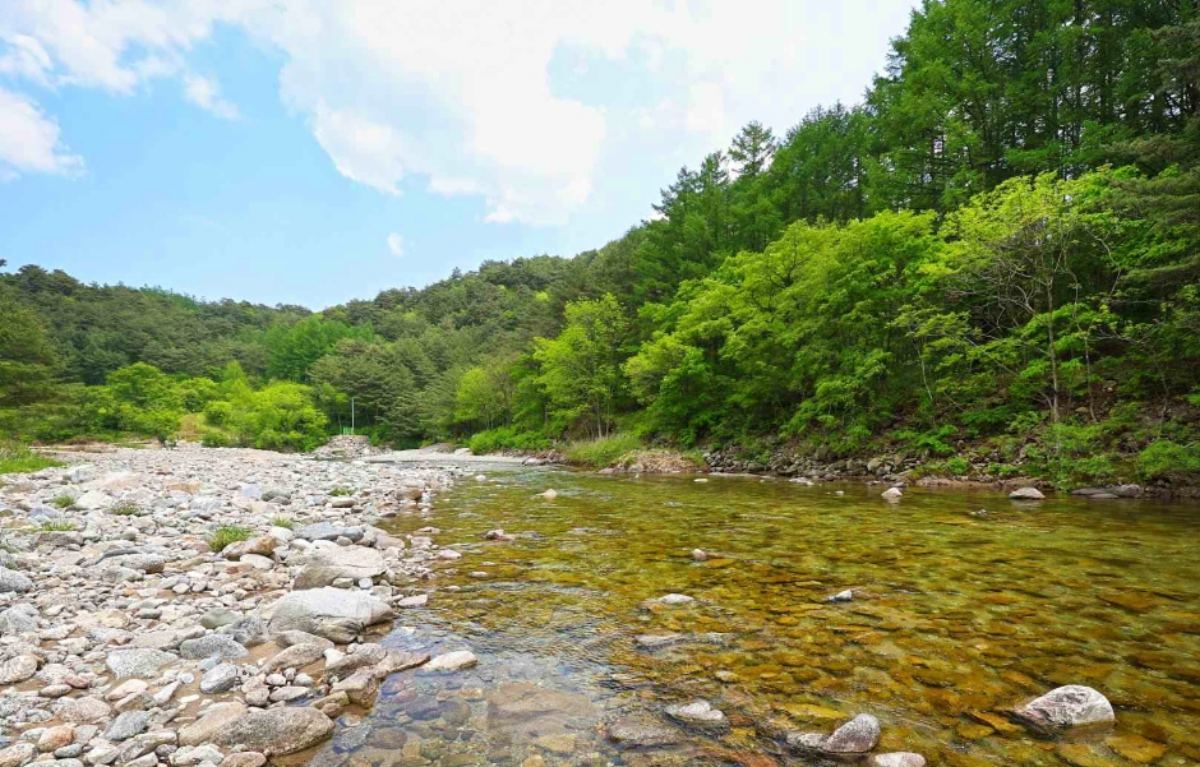
Plunge your feet into the clear water that reaches nearly to your knees, and a cool thrill will run through you. The water is so transparent you can watch char and dace dart along the riverbed. Trees grow densely overhead, casting natural shade that keeps the valley refreshingly cool even in peak summer. As you walk the long stretch of the gorge, you’ll spot moss-covered boulders and large clusters of ferns—reminders that you’re deep in a wild, primeval landscape.
During the summer holiday season, Achimgari Valley draws an average of more than 800 visitors a day and, at peak times, as many as 3,000. People come here to feel raw nature up close. If you let go of noisy thoughts and tune into the texture of stones underfoot and the rhythm of flowing water, you’ll feel the weight of everyday life ease. Because parts of the trek require walking through water, each step feels vivid in a way ordinary hikes don’t—an energizing, tactile kind of pleasure.
After the trek, recharge with Inje’s local flavors. Inje is famed for hwangtae (dried pollack), made by repeatedly freezing and thawing pollack over winter, and dishes featuring hwangtae are a regional specialty. Cloudy, savory hwangtae-guk (dried pollack soup) is clean but deeply flavored, while spicy, seasoned grilled hwangtae teases the appetite. Don’t skip sanchae bibimbap piled with fresh mountain greens or makguksu with its toasty buckwheat aroma. In April and May, seasonal ingredients like gomchwi (wild Ligularia greens) and other spring herbs bring local menus to life.
There are plenty of nearby attractions to round out your trip. The upper and lower waterfalls in the Bangtae Mountain Natural Recreation Forest offer refreshing cascades, and the birch grove in Wondae-ri is beloved for its striking white trunks. If you want something calmer, stroll around the Pillye mineral spring and breathe in Gangwon’s crisp air. For thrill-seekers, the Naerincheon River offers rafting and bungee jumping—easy options to build an itinerary that fits your vibe.
Achimgari Valley is open year-round and has no admission fee, but be sure to check spring wildfire-prevention access restrictions that run through mid-May and confirm current weather conditions before you go. Heavy rain or sudden storms can quickly swell the creek and lead to closures. To protect this pristine environment, cooking is strictly prohibited and all trash must be carried out. With almost no man-made amenities, personal safety and preparedness are essential.
For the trek, pack quick-drying performance clothing and creek-specific shoes with strong traction. Riverbed stones can be slippery, so trekking poles are helpful for balance. Inje County regularly inspects trails and stations safety personnel as part of efforts to promote ecotourism and support visitors.
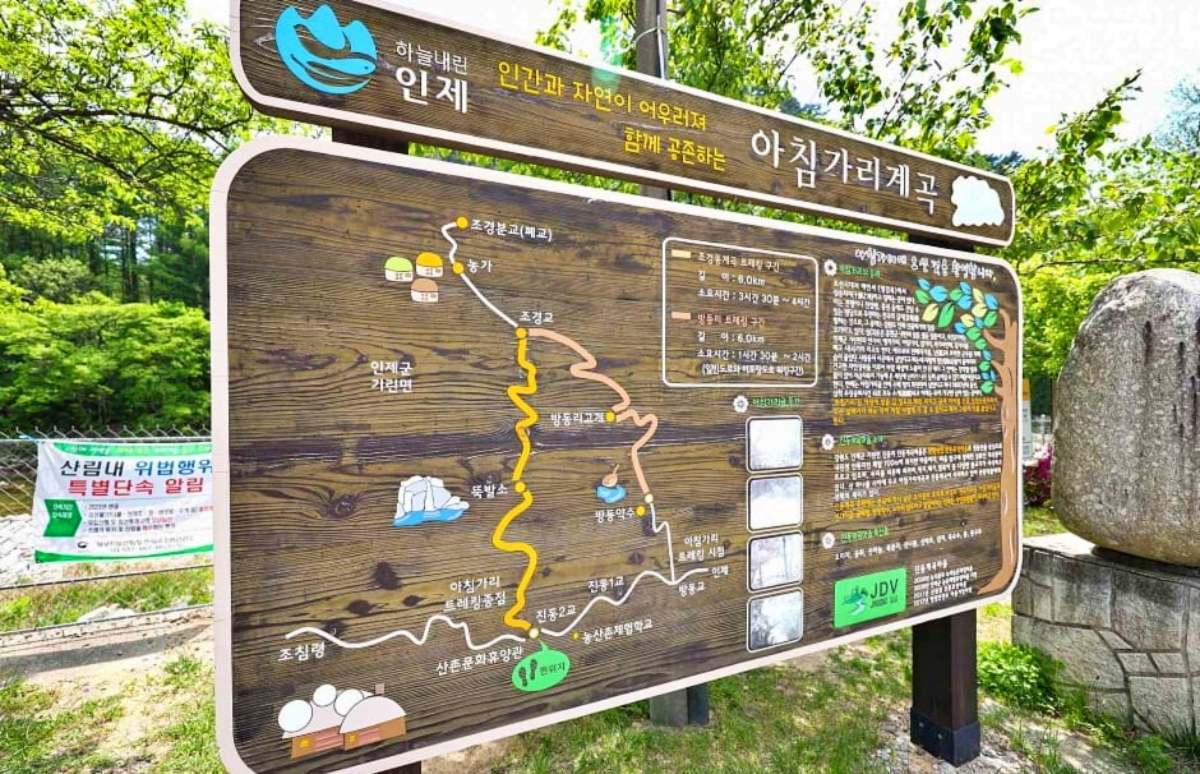
Time in Achimgari Valley lets you soak up the scenery shaped by forest and stream. Walk to the sparkle of running water and the whisper of leaves in the breeze, and the hush of the high mountains will settle over you. If you’re craving a break from a hectic routine and want to meet Inje’s deep woods and valleys up close, Achimgari is a choice worth considering.
Your daily fortune report—what will today bring?