Soaring jet-fuel prices force fuel surcharge hikes—and passengers will feel the pinch
Short-haul travel on the rise after Middle East unrest; demand growing for China and Vietnam
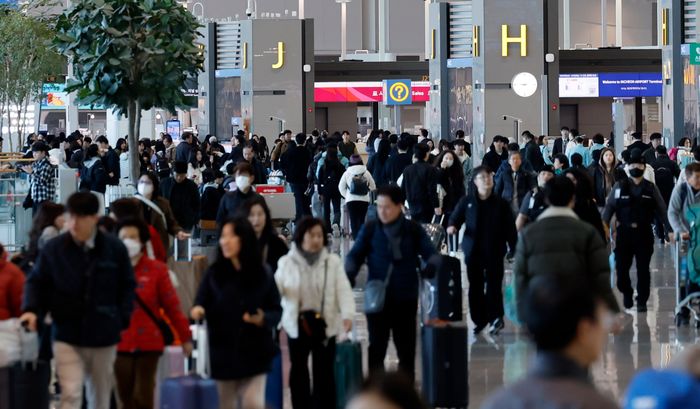
Travel insiders say more travelers will choose short-haul trips to Japan, China and Southeast Asia as airlines raise fares.
International oil prices spiked after geopolitical tensions in the Middle East intensified, making fare increases on major routes all but certain next month. The jump stems mainly from a sharp rise in Singapore jet-fuel prices, the benchmark used to set fuel surcharges.
In March, the jet-fuel price underlying fuel surcharges averaged about $86 per barrel, then climbed to roughly $220 per barrel after the conflict escalated.
April’s fuel surcharge will be calculated based on the average jet-fuel price from the 16th of last month through the 15th of this month. Given the recent surge in Singapore prices, surcharges are expected to rise significantly.
The industry estimates that long-haul round-trip fares could see fuel-surcharge increases of more than 400,000 KRW (approximately $300), while short-haul routes may face increases of around 50,000 KRW (approximately $37.50).
Fuel surcharges are structured in tiers tied to jet-fuel price bands—the higher the band, the steeper the surcharge—so long-haul travelers will generally shoulder a larger share of the added cost.
Travel companies say that will nudge travelers toward nearby destinations.
Because instability in the Middle East is likely to dampen long-haul demand to places like the U.S. and Europe, and because ticket prices are climbing, many travelers are expected to opt for shorter, less expensive trips.
Booking patterns at major travel agencies already reflect this trend.
Yellow Balloon compared bookings for departures during a 12-day window around Feb. 28—the point when Iran-related risk intensified—and found overall demand fell by about 5%, while the share of short-haul trips grew.
By region, demand rose for China and Vietnam. Long-haul travel to the U.S., which is more directly tied to the conflict, showed some declines, while Europe, Türkiye and other long-haul markets saw only modest drops.
A Yellow Balloon spokesperson said, “Rising military tension in the Middle East and broader geopolitical uncertainty have pushed travelers toward shorter, less costly trips.”
Kyowon Tour reported that before the Iran situation (business days Feb. 23–26), short-haul destinations made up 61.4% of bookings, with long-haul at 38.6%.
After the Iran situation began (March 3–6), short-haul bookings rose to 72.1%—an increase of 10.7 percentage points—while long-haul bookings fell to 27.9%, a decrease of 10.7 percentage points.
A Kyowon Tour representative said, “With instability in the Middle East and higher international oil prices, travelers are choosing short-haul destinations that carry lower cost and scheduling burdens and are less affected by fuel-surcharge hikes. We expect spring travel demand to center on short-haul spots like Japan, China and Southeast Asia.”
©Dailyan Co. Unauthorized reproduction and redistribution prohibited