The war in the Middle East has sent global oil prices soaring, and fares on routes between Asia and Europe have followed suit — hitting record highs. With energy supply chains disrupted, airlines are taking a direct hit, leaving both vacationers and business travelers facing steeper costs.
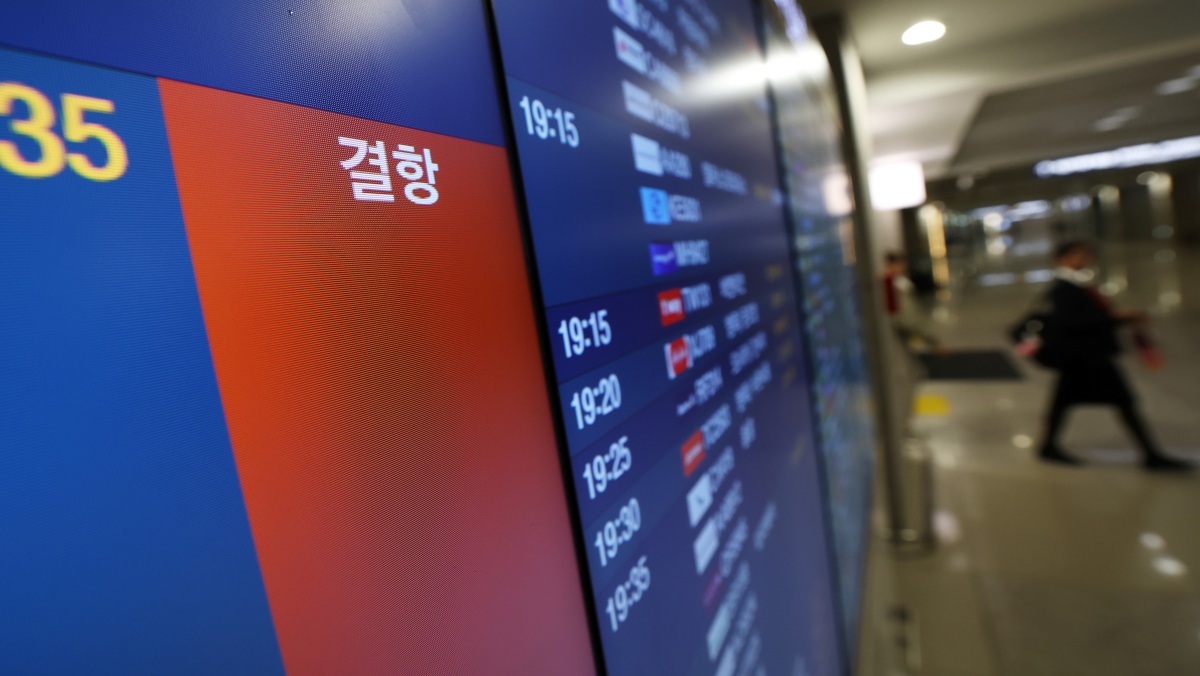
Bloomberg reported on the 26th, citing data from research firm Alten Aviation Consultancy, that ticket prices on major Asia-to-Europe routes have surged this month. As of March 23, the average fare from Hong Kong to London was $3,318 (about ₩4.42 million) — a staggering 560% increase in just one month.
Other major routes followed a similar pattern. The average fare from Bangkok to Frankfurt climbed to $2,870 (about ₩3.83 million), up 505% month over month. The so-called Kangaroo route from Sydney to London also jumped 429% over the same period.
This sharp, short-term spike largely reflects higher oil prices tied to the Middle East conflict. Jet fuel accounts for roughly one-third of an airline's operating costs, so carriers react quickly to oil-price swings. As fuel costs rose, major airlines raised fuel surcharges and passed those expenses on to passengers. Air France‑KLM, Cathay Pacific and Air New Zealand are among the carriers that recently increased their fuel surcharges.
Industry analysts say this trend is likely to continue in the near term. Unless geopolitical tensions in the Middle East ease quickly, airfare increases driven by elevated oil prices could persist through the busy travel season in the second half of the year.
In short, uncertainty in the global energy market has become a key driver of airfare volatility. If international oil prices don’t stabilize, airlines may respond with further fare hikes or route adjustments. Travelers planning overseas trips should be prepared to pay higher ticket prices for the time being.
Get your daily personal horoscope! What’s in store for you today?