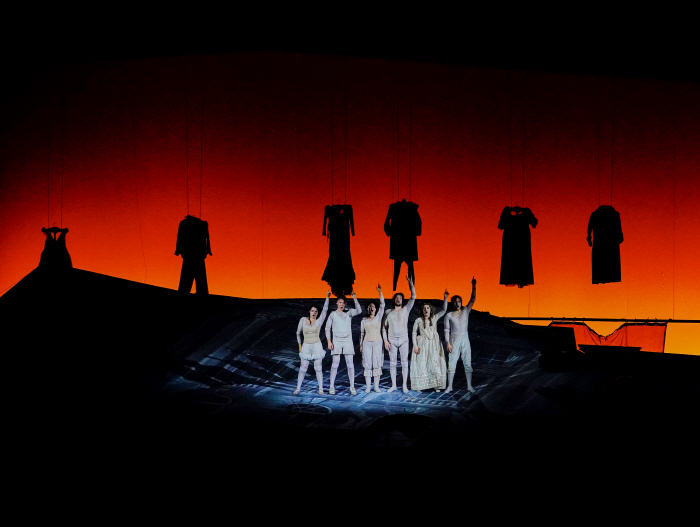
 | | A scene from the opera Don Giovanni. ⓒShinji Hosono |
|
Designed by the modernist master Kunio Maekawa, Ueno’s Tokyo Bunka Kaikan opened in April 1961 to answer a growing demand in Tokyo for a proper music hall capable of staging opera and ballet. Renowned for its superb acoustics, it has long served as a focal point of Japan’s performing-arts scene, hosting countless operas, ballets and symphonic concerts. After major renovations in 1999 and a partial refit in 2014, the Bunka Kaikan will close for an extensive three-year overhaul following a final ballet engagement in early May. Before the venue’s extended closure, Riccardo Muti conducted Mozart’s Don Giovanni as its last staged opera.
Presented by the Spring Festival in Tokyo, the nonprofit Nippon Stage Arts Promotion Association (NBS) and Nikkei Inc. (the executive committee), this production also commemorated the 160th anniversary of formal relations between Japan and Italy. The Spring Festival in Tokyo—Japan’s largest classical-music festival—marked its 22nd year this season, running successfully from March 13 to April 19, and co-hosted this staging.
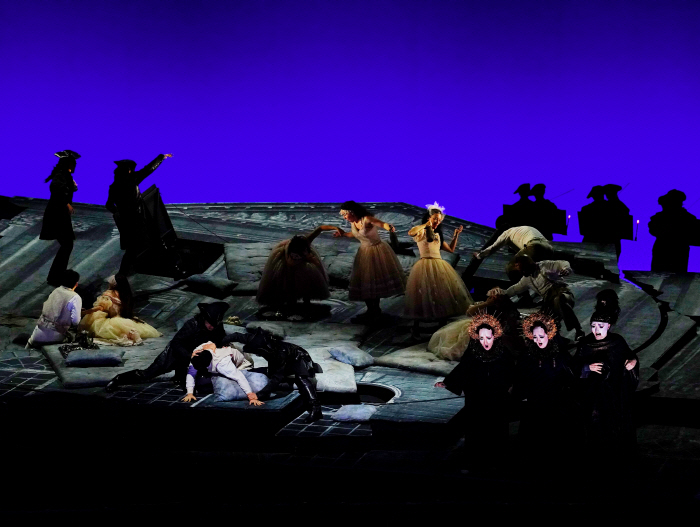 | | A scene from the opera Don Giovanni. ⓒShinji Hosono |
|
Riccardo Muti has long been associated with the Spring Festival in Tokyo, conducting both operas and concerts there. For this production, the festival orchestra and the Tokyo Opera Singers joined him onstage. Muti had previously led performances of Così fan tutte and The Marriage of Figaro in Japan; with this Don Giovanni he completed his conductorial sweep of Mozart–Da Ponte’s three operas on Japanese soil.
Born in 1941, the elder maestro’s decision to conduct a full-length opera attracted attention in Japan and across the classical world. Tickets for the three performances—April 24, April 29 and May 1—sold out quickly. The production gained extra attention because Muti’s daughter, Chiara Muti, directed the staging. A co-production of Teatro Regio Torino and Teatro Massimo Palermo, the production premiered at the Regio in 2022 and sold out there; this revival brought that celebrated staging back to the stage.
Muti’s score-centered approach to conducting was on full display at the April 29 performance. His structuralist reluctance to stray into Romantic excess—especially in Mozart—held throughout this Don Giovanni. From the overture onward, his clean, focused gestures made clear that he aimed to honor the formal clarity and balance of Classicism.
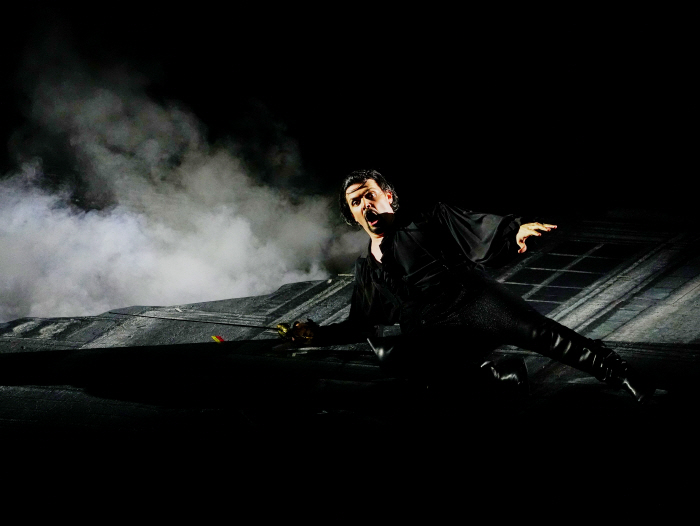 | | A scene from the opera Don Giovanni. ⓒShinji Hosono |
|
The orchestra produced a sonority of crystalline clarity. Strings and winds registered with watercolor-like transparency, and Muti’s meticulous attention to timbre maintained a taut, purposeful atmosphere. One notable difference from his earlier performances was a slightly more generous tempo—less rigid, more expansive—allowing Mozart’s textures to breathe. That intention was realized thanks to the Spring Festival orchestra’s steady, assured playing.
Chiara Muti, an actress and writer as well as director, chose to cloak the work in a dark, somber mood rather than foreground its Dramma giocoso blend of comedy and pathos. Alessandro Camera’s set design employed abstract, indeterminate spaces, rendering the stage as a kind of ruin or hellscape shaped by Don Giovanni’s immorality and decay.
In one recurring motif, most characters begin in underwear, don costume elements appropriate to their parts, and then disrobe again after Don Giovanni vanishes into hell—an effect that suggests they have been manipulated or entranced by the protagonist. The production offered many inventive touches, but it occasionally felt overburdened by symbolism and philosophical intent, which diffused the overall impact. Still, that sober interpretation meshed well with Muti’s music, which leaves little room for Romantic indulgence or comic relief.
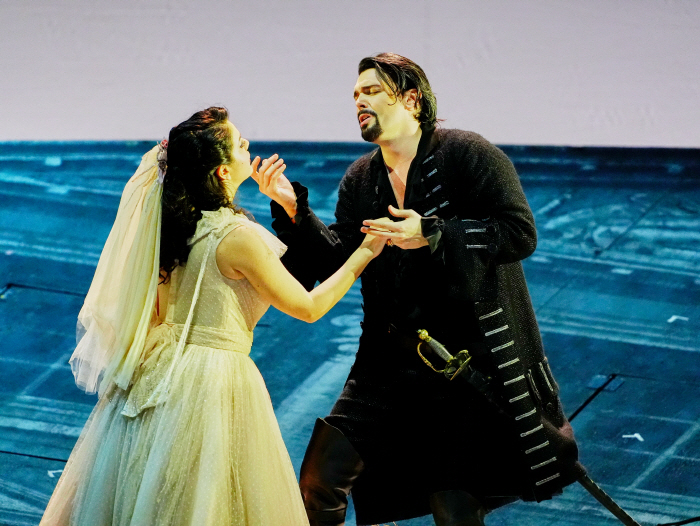 | | A scene from the opera Don Giovanni. ⓒShinji Hosono |
|
On the night I attended, the production ultimately highlighted Muti’s Mozart above all else. The singers’ fine vocalism and committed acting supported that emphasis. Baritone Luca Micheletti as Don Giovanni and baritone Alessandro Luongo as Leporello delivered secure singing and strong dramatic presence, conveying the work’s darker themes while keeping the musical line coherent. Micheletti—who also works actively as an actor and director—especially captured the character’s bleak, almost diabolic side.
As Tokyo Bunka Kaikan enters a three-year hiatus, companies that stage opera, ballet and other classical repertory will scramble to find alternative homes. The Spring Festival in Tokyo, for one, will move its concerts to other venues around the city next year rather than returning to Ueno. The cherry trees of Ueno may not frame concerts for a while, but Tokyo audiences can still expect high-caliber music across the city’s theater spaces.
/Son Su-yeon, opera critic and professor at Dankook University
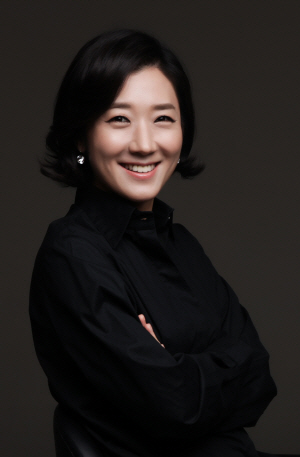 | Son Su-yeon |
|